
Last updated October 30, 2026
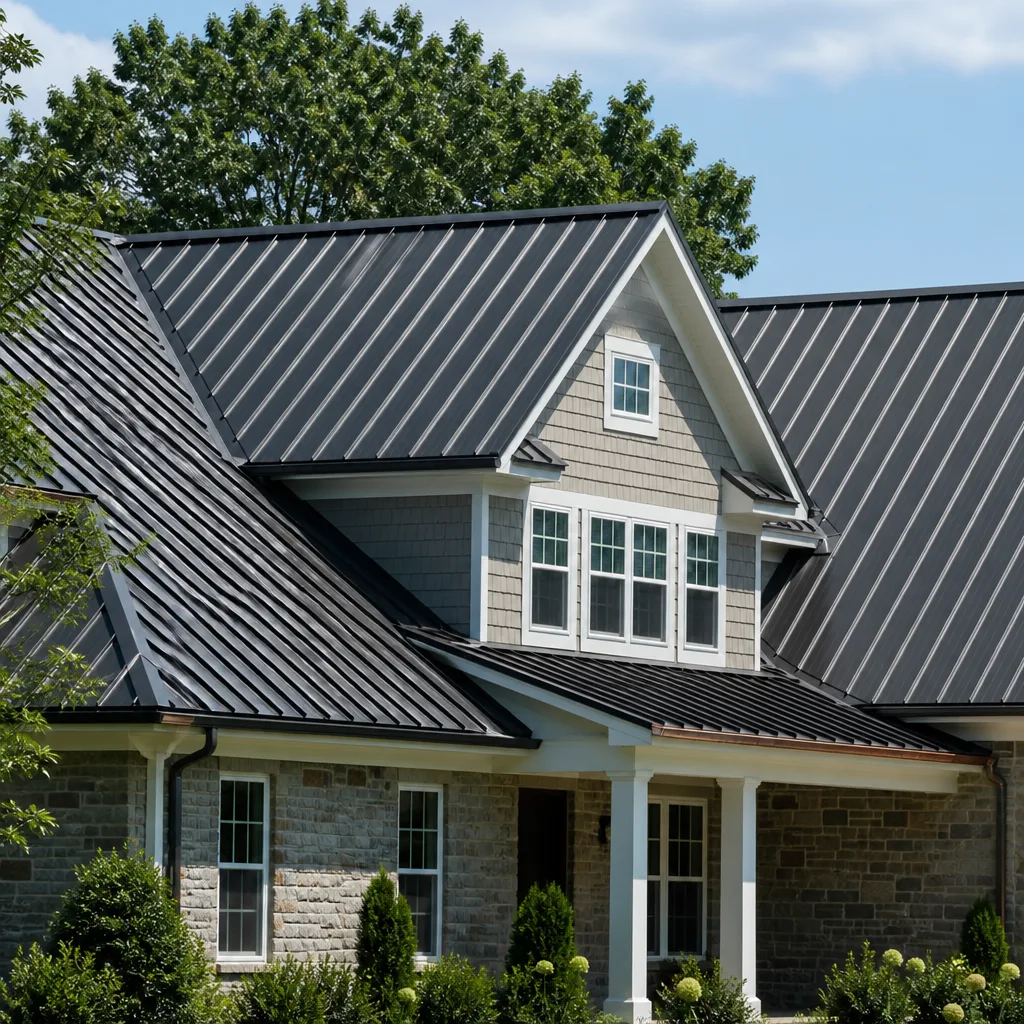 Metal roofing
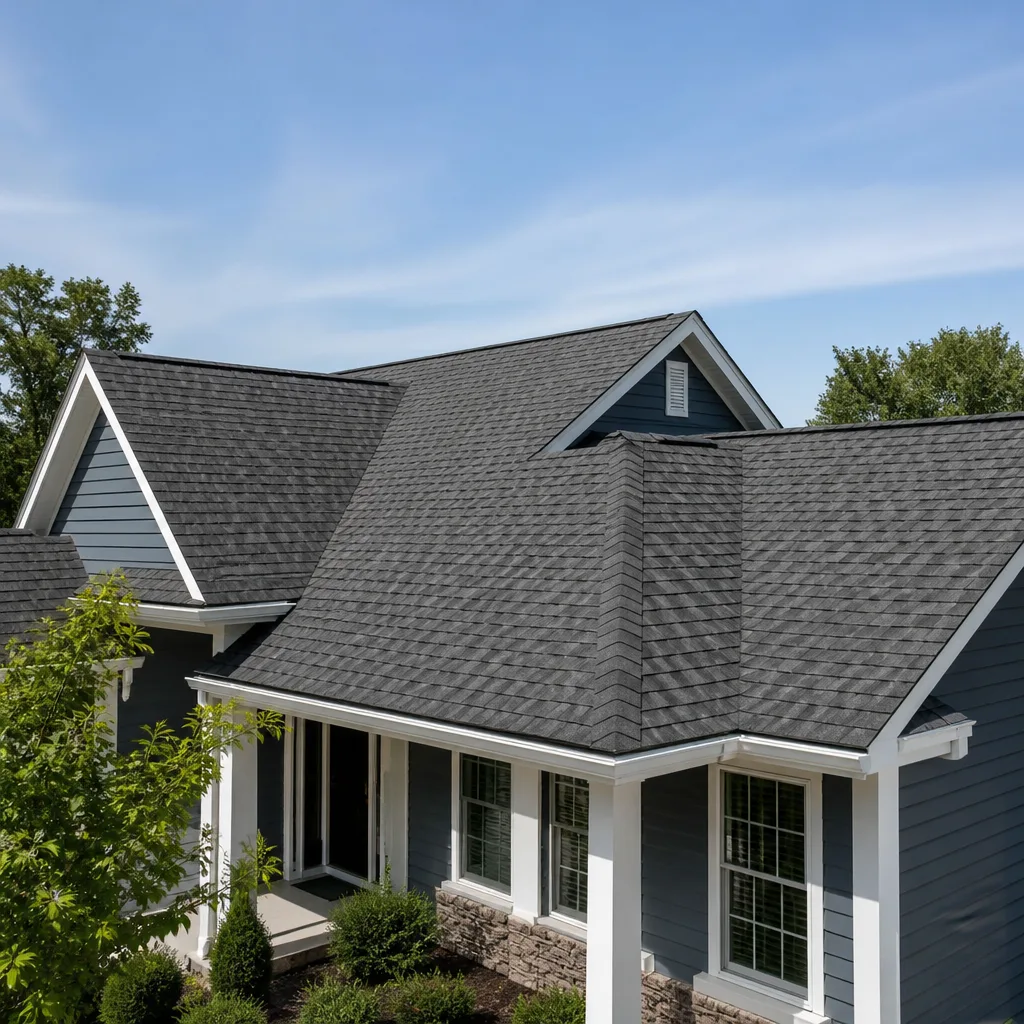 Architectural shingles
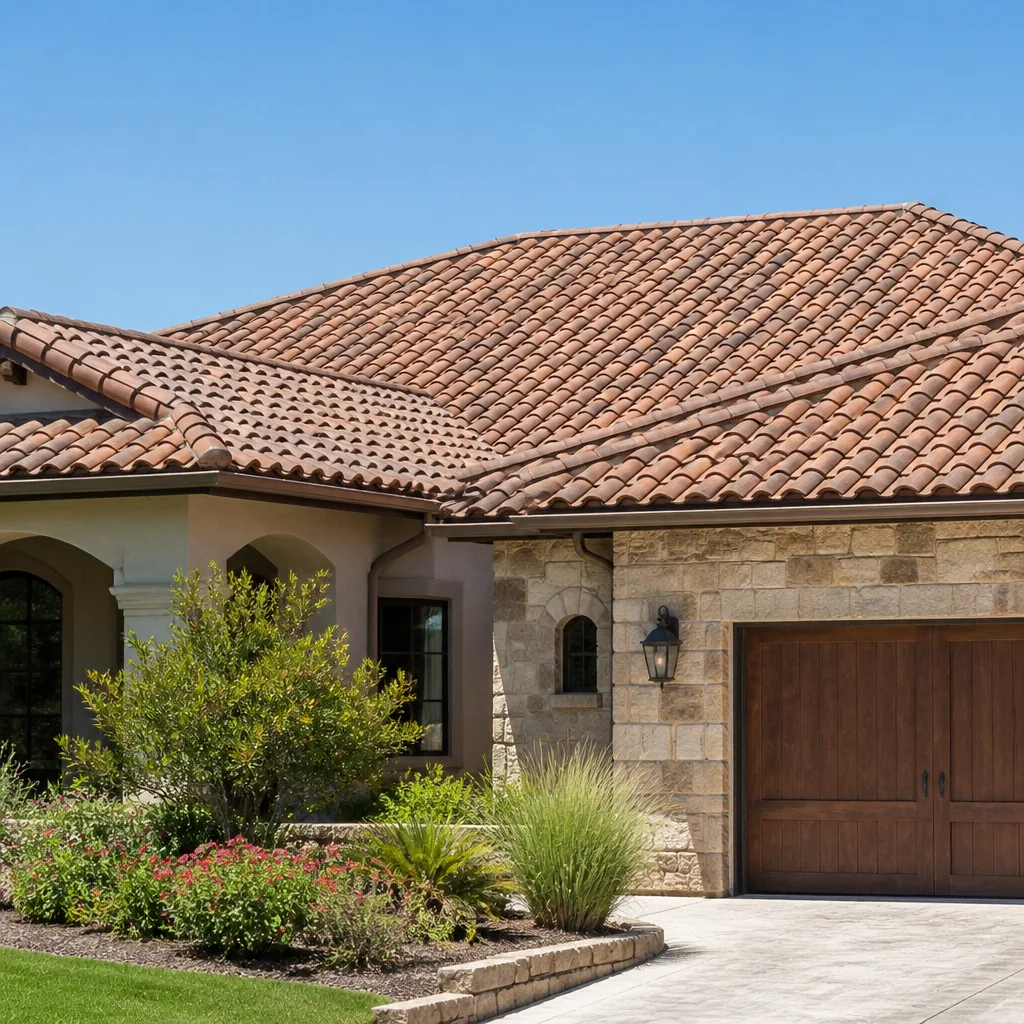 Tile roofing
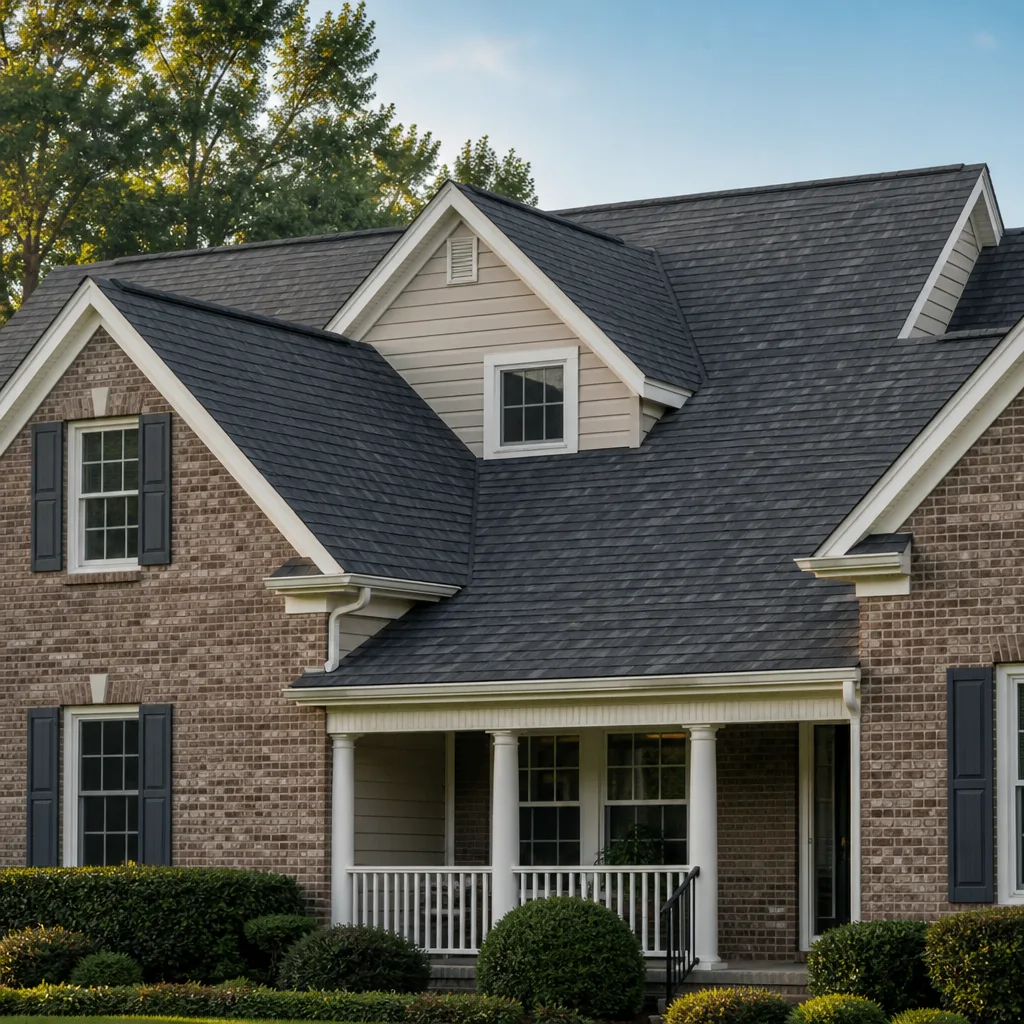 GAF
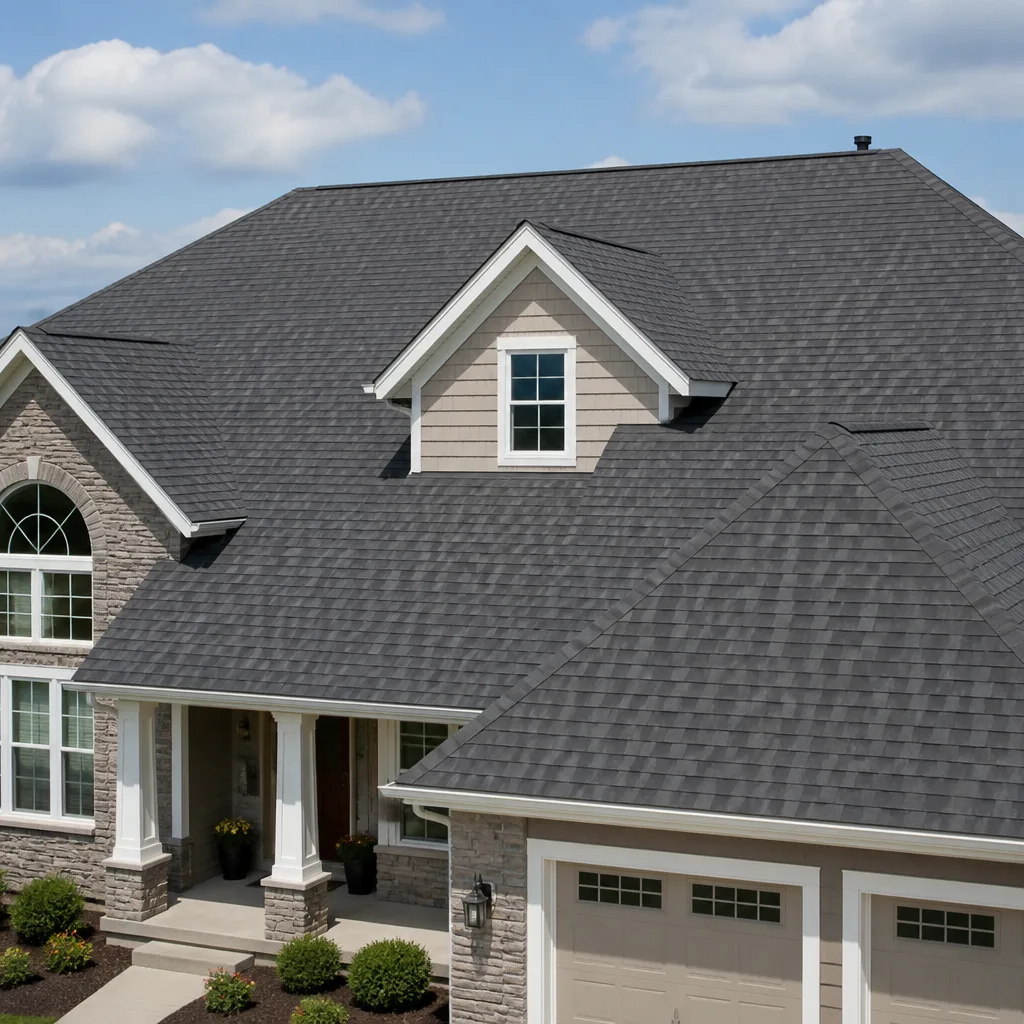 Owens Corning
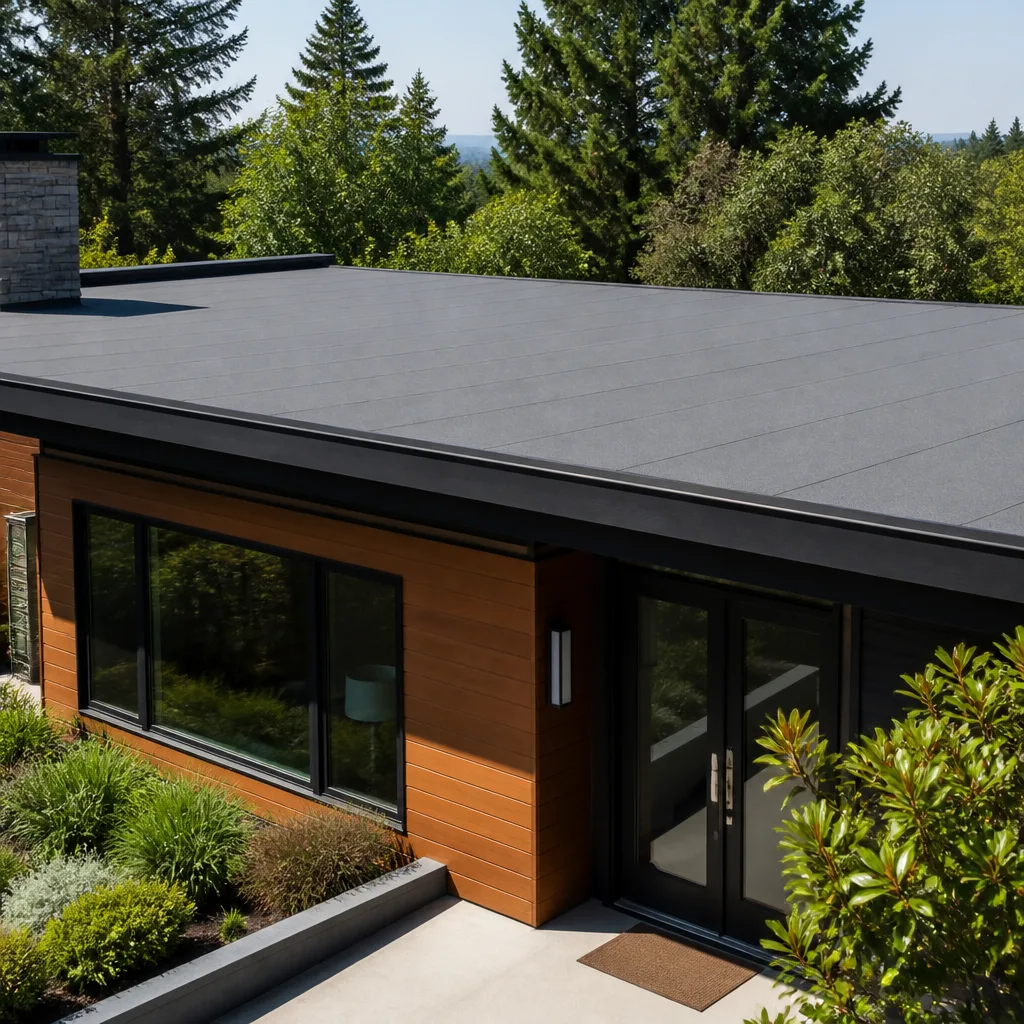 Flat & low-slope
Free roof inspection with deck photos before we talk money - GAF and Owens Corning certified installation
Roofing Cost Breakdown: The Moreno Valley Homeowner’s Reference for 2026
Most roofing cost guides fail Moreno Valley homeowners in the exact same way: they quote a national average range so wide it could fit a studio condo and a five-bedroom house. You already know a roof costs somewhere between “a lot” and “a whole lot.” What you actually need is the framework to look at three wildly different bids, understand why one is $11,000 and another is $18,000, and know which line items are legitimate cost drivers versus which contractor simply left something out. This guide from Moreno Valley Roof Repair home base of knowledge breaks down every cost variable for the Moreno Valley market specifically, with 2026 Inland Empire labor rates, local permit realities, and material-tier math you won’t find on a national roofing website.
Styles & brands we work with
Quick Answer
A full roof replacement in Moreno Valley runs between $9,500 and $22,000 in 2026 depending on material choice, roof size, pitch, and deck condition. Architectural asphalt shingles remain the most common choice at $4.50 to $6.50 per square foot installed, while concrete tile runs $8 to $14 per square foot and TPO or modified bitumen for flat sections lands around $6 to $9 per square foot. The single biggest variable that changes a bid is deck replacement percentage, which homeowners rarely see quoted until the old shingles come off.
Table of Contents
- 2026 Material Costs Per Square in Moreno Valley
- The Hidden Variables That Change Your Bid Mid-Project
- Moreno Valley Permits, Fees, and Required Inspections
- Material Longevity Math: Cost Per Year in Southern California
- Deck Condition: The Line Item Nobody Quotes Up Front
- California Roofing Financing: What Actually Exists in 2026
- Brand Comparison: GAF, Atlas, Tamko, and More Without the Hype
- How Roof Pitch Changes Labor Costs in Moreno Valley
- Common Mistakes to Avoid
- When to Call a Professional
- Frequently Asked Questions
- The Bottom Line
2026 Material Costs Per Square in Moreno Valley
In the Inland Empire, a roofing “square” means 100 square feet, and every bid you receive should break costs down this way. If a contractor quotes only a lump sum without per-square pricing, ask for the breakdown. Here’s what materials actually cost installed in Moreno Valley as of 2026, factoring in local labor rates that run 15 to 20% below Los Angeles County but 10% above Riverside’s lowest-price crews.
| Material | Installed Cost Per Square | Typical Lifespan in Moreno Valley | Best For |
|---|---|---|---|
| 3-Tab Asphalt | $300 – $410 | 12 – 18 years | Budget-conscious, rental properties |
| Architectural Asphalt | $450 – $650 | 22 – 30 years | Most Moreno Valley homes |
| Premium Architectural (Designer) | $600 – $800 | 30 – 40 years | Long-term ownership, high wind areas |
| Concrete Tile | $800 – $1,400 | 40 – 60 years | Spanish/Mediterranean architecture |
| TPO (Flat Sections) | $600 – $900 | 15 – 25 years | Low-slope additions, patio covers |
| Modified Bitumen | $500 – $750 | 12 – 20 years | Flat garage roofs, small flat sections |
Most single-story Moreno Valley homes have a roof area between 18 and 28 squares. A 2,200 square foot rambler with a simple gable roof is roughly 25 to 27 squares. That means an architectural shingle replacement on a typical Moreno Valley ranch home falls between $11,250 and $17,550 before any deck work, permits, or upgrades. If a bid comes in under $9,000 for that scope, the contractor is either using substandard materials, skipping the permit, or planning to hit you with a change order once the old roof comes off.
Three-tab shingles still show up in bids around Moreno Valley, especially on rentals and pre-sale flips, but we rarely recommend them for homeowners who plan to stay. They fail faster in our UV exposure, and the cost difference between 3-tab and architectural is roughly $150 to $240 per square, which works out to under $5,000 on most homes for nearly double the lifespan.
For concrete tile, the range is wide because the existing structure matters. If your home already has tile, the underlayment replacement is your real cost driver, not the tile itself. If you’re switching from shingles to tile, you’ll need structural verification because tile weighs three to four times more than asphalt. Some homes in the Moreno Valley Ranch and Sunnymead Ranch developments were originally framed for tile and can handle it without modification, while other 1970s and 1980s builds need truss reinforcement that adds $2,000 to $5,000.
The Hidden Variables That Change Your Bid Mid-Project
Here’s the scenario we hear about most often: a Moreno Valley homeowner accepts a $12,400 bid, the crew pulls the old shingles on day one, and by that afternoon the project manager calls to say the deck needs replacement across 40% of the roof and the bid just went up by $3,800. That’s not always a scam, but it is always a failure of the estimating process. To avoid being caught off guard, review our Roofing Emergency Preparedness Guide for Moreno Valley Homes.
Legitimate bids should include deck replacement assumptions up front. A quality roofer in Moreno Valley will inspect the attic and roof deck before quoting, or at minimum will write the bid to say something like “bids assumes up to 3 sheets (12×4) of deck replacement included, additional sheets at $85 each.” Here are the variables that actually move a final invoice:
- Deck replacement percentage. If your roof deck has water damage, delamination from trapped heat, or has been re-nailed multiple times, sections need to come out. Cost runs $75 to $110 per 4×8 sheet installed, and a 25-square roof with 30% deck damage adds $1,400 to $2,200.
- Code-required upgrades. Moreno Valley follows California Building Code Title 24, which means any roof replacement must bring the home up to current eave venting and attic ventilation standards. An older home with minimal ridge venting might need additional intake vents or a ridge vent upgrade at $400 to $900.
- Disposal and dump fees by material weight. A shingle tear-off produces 2 to 3 tons of debris for a typical Moreno Valley home. Concrete tile tear-off produces 8 to 12 tons. Riverside County landfill disposal fees, fuel surcharges, and labor for loading add $600 to $1,800 depending on material and roof size.
- Fascia and drip edge replacement. Rotted fascia boards are common on older Moreno Valley homes with minimal eave overhang. Replacement costs $8 to $15 per linear foot and a home with 180 linear feet of eave can add $1,400 to $2,700.
- Chimney and skylight flashing. Every penetration needs new flashing during a replacement. Standard flashing is included in per-square pricing, but if existing flashing is custom copper or if a skylight curb has rot, the additional work can run $200 to $800 per penetration.
None of these are markups. They’re real construction costs that any legitimate roofer in Moreno Valley will face. The difference is whether they’re disclosed before you sign, or introduced as a surprise once demolition begins. We write deck assumptions into every bid for exactly this reason. When you compare three bids, the one that’s $3,000 cheaper is almost always the one that left these line items out, not the one that works for less.
Moreno Valley Permits, Fees, and Required Inspections
Moreno Valley requires a building permit for full roof replacements and most repair work that exceeds minor shingle patching. The city’s Building and Safety Division operates under the 2022 California Building Code with local amendments, and as of 2026, roofing permit fees in Moreno Valley run between $350 and $1,200 depending on project valuation and roof square count. For a deeper look at compliance, see our Roofing Permits, Codes & Inspections in CA: What You Need to Know.
A legitimate bid should show the permit as a distinct line item. If it’s buried in the per-square price, that’s fine, but it should be disclosed. If a contractor suggests skipping the permit to save money, walk away. Here’s what the Moreno Valley permit process actually looks like:
- Application and plan submittal. Your roofer submits the roof plan, material specs, and project valuation. For simple re-roofs with no structural change, this is a minor alteration permit that processes in 3 to 7 business days.
- First inspection: sheathing and deck. After tear-off, the inspector verifies deck condition, nailing patterns, and compliance with current shear requirements before underlayment goes on.
- Second inspection: underlayment and flashing. The city verifies underlayment type, overlap, and flashing detail at penetrations before shingles or tile are installed.
- Final inspection. After the roof is complete, the inspector verifies material installation, ventilation, and drainage. The permit closes and the work is on record with the city.
One detail that catches Moreno Valley homeowners off guard: if your home is in a designated hillside zone or an HOA community like Hidden Springs or Moreno Valley Ranch, there may be additional review layers. HOAs often have architectural review committees that must approve replacement materials and color before work starts, which can add a week or two to your timeline. City permit fees are usually the same, but the HOA process is on you and your roofer to coordinate.
For Roof Repair in Moreno Valley work that’s purely cosmetic or under 100 square feet, a permit may not be required depending on scope. But if the repair touches the deck or structural sheathing, the city will want eyes on it. We pull permits on replacement work as standard practice, and we’ll tell you during the inspection if your repair scope crosses the threshold where a permit becomes necessary.
Material Longevity Math: Cost Per Year in Southern California
Moreno Valley roof damage isn’t typically from rain, which averages 12 inches annually. The real enemy here is ultraviolet exposure and thermal cycling. We see summer roof surface temperatures of 150 to 170 degrees Fahrenheit in July and August. Roofs in Moreno Valley don’t fail from water intrusion alone; they fail from material degradation caused by 280 to 300 sunny days per year and the constant expansion and contraction between 95-degree days and 55-degree nights.
With that climate reality, cost-per-year math tilts toward mid-grade materials more than it does in coastal cities. Here’s how the numbers shake out for a 25-square Moreno Valley home:
- 3-tab asphalt: $7,500 to $10,000 installed, 15-year realistic lifespan in our heat. Cost per year: $500 to $667.
- Architectural asphalt: $11,000 to $16,000 installed (mid-range brands like Atlas and Tamko), 25-year realistic lifespan. Cost per year: $440 to $640.
- Premium architectural: $15,000 to $20,000 installed (brands like GAF Designer lines), 35-year realistic lifespan. Cost per year: $428 to $571.
- Concrete tile: $20,000 to $35,000 installed, 50-year realistic lifespan with proper underlayment replacement at year 25. Cost per year: $400 to $700.
- TPO on flat sections: $15,000 to $22,500 for a full flat roof, 18-year realistic lifespan. Cost per year: $833 to $1,250.
The counterintuitive finding: architectural asphalt from a value-tier brand like Atlas or Tamko often beats premium shingles on pure cost-per-year math if you plan to own the home for less than 25 years. The premium shingle only wins when you’re staying long enough to realize the full lifespan difference. We’ve had homeowners ask for the most expensive shingle line assuming it’s automatically the best financial decision, and sometimes it genuinely isn’t.
Concrete tile is the longevity play if you’re in a home you plan to pass down. The catch is the underlayment: tile itself lasts 50 plus years, but the waterproof underlayment beneath it typically needs replacement at the 20 to 25 year mark. That underlayment replacement costs $6 to $9 per square foot and is essentially a re-roof with the tile being reused. If you buy a used Moreno Valley home with 20-year-old tile, budget for that underlayment replacement as a near-term expense even though the tile looks fine from the street.
When we do a Roof Inspection in Moreno Valley, one of the first things we check is material age versus climate degradation. A 12-year-old architectural roof in Moreno Valley is further along its failure curve than the same roof in San Diego, and that changes the repair-versus-replace recommendation.
Deck Condition: The Line Item Nobody Quotes Up Front
Your roof deck is the plywood or OSB layer that sits between the trusses and the underlayment. In Moreno Valley, deck condition is the single biggest predictor of mid-project change orders, because the deck is hidden until the shingles come off and many estimators either skip the attic inspection or write bids without clear deck assumptions.
Here’s what we find on a typical 20 to 30-year-old Moreno Valley home:
- 15 to 20% of homes need less than one sheet of deck replacement. The deck is sound, with no soft spots or delamination.
- 50 to 60% of homes need 2 to 6 sheets replaced. Typically rot around plumbing vents, skylights, and chimneys, or localized water damage from a leak that was patched years ago.
- 20 to 25% of homes need 15 to 40% of the deck replaced. This is common on homes where the previous roof was left on too long or where ridge venting was inadequate and trapped heat caused OSB delamination.
- 5% of homes need full deck replacement. Usually post-fire or major leak scenarios where structural integrity is compromised.
Current costs in Moreno Valley for deck replacement run $75 to $110 per 4×8 sheet installed, including removal of the damaged sheet, new plywood or OSB rated for roofing, re-nailing to current code spacing, and labor. A full 25-square deck replacement would be 65 to 70 sheets and run $4,900 to $7,700. That’s a worst-case scenario, but it exists.
What you should expect from a thorough estimate: a line item or at minimum a written assumption that quotes a certain number of included deck sheets and a per-sheet cost for anything beyond that. If a bid doesn’t mention the deck at all, ask. We’ve never met a roofer who could see through shingles.
One Moreno Valley-specific factor that accelerates deck deterioration is our attic heat load. Homes with adequate ridge vents and soffit vents tend to have decks that hold up well. Homes with box vents or minimal ventilation can see attic temperatures above 150 degrees in August, and that sustained heat causes OSB adhesive to break down over 15 to 20 years. If your home was built in the 1980s or 1990s and has the original roof ventilation design, include deck replacement contingency in your budget planning.
California Roofing Financing: What Actually Exists in 2026
Roofing is a five-figure purchase for most Moreno Valley homeowners, and California’s financing landscape shifted meaningfully in 2024 and 2025. Here’s what’s actually available for roofing work in 2026:
- HELOC and home equity loans. Still the cheapest money for homeowners with equity, with rates in the 7 to 9.5% range as of early 2026. You’re borrowing against your home, so the roof adds to your loan balance, but the interest is potentially tax-advantaged in a way consumer loans are not. Talk to your credit union or the lender that holds your mortgage.
- PACE financing (CaliforniaFIRST, HERO, Ygrene). PACE programs remain available in Riverside County, and they’re a double-edged sword. The good: no upfront cost, credit based on property value rather than credit score, and the loan is attached to the property tax bill. The bad: PACE liens sit ahead of the mortgage in foreclosure priority, rates are typically 7 to 10%, and the repayment is added to your property tax payment, which increases your effective monthly cost and can complicate a refinance or sale.
- Contractor in-house financing. Many Moreno Valley roofers now offer payment plans through third-party lenders like GreenSky, Service Finance, or Synchrony. Terms typically include 0% for 12 to 18 months on qualifying credit, or 10 to 15% APR for 5 to 10 year terms. The 0% window is real if you can pay the balance before the promotional period ends; if you can’t, deferred interest kicks in retroactively at high rates.
- FHA 203(k) and Title I loans. If you’re buying a Moreno Valley home that needs a roof, the FHA 203(k) program lets you roll roofing costs into the purchase mortgage. Title I loans are available for existing homeowners doing rehabilitation work without refinancing. These are underutilized options that most roofers never mention.
- Cash. Still the cheapest financing of all. If you can manage it, paying cash avoids origination fees, interest, and the PACE complications entirely.
How to tell if a contractor’s financing offer is competitive or a margin play: legitimate financing programs are administered by third-party lenders, not the roofer. If a contractor says “we do our own financing” and offers terms that seem too good, read the contract aggressively. Some roofers offer in-house payment plans with mechanics lien language that allows them to foreclose if you miss two payments. Others finance through PACE because they get paid upfront and the risk shifts entirely to you and the county. A fair test: ask for the financed rate and the cash price. If the cash price is 5% or more below the financed price, that spread is dealer fees being passed to you.
For a Roof Replacement in Moreno Valley, we’ll quote cash and third-party financed options side by side so you can see what the financing actually costs. No surprises, and nothing buried in the loan paperwork.
Brand Comparison: GAF, Atlas, Tamko, and More Without the Hype
Brand loyalty in roofing is often just contractor marketing. The truth is that GAF, Atlas, Tamko, and other major manufacturers all make good shingles, and they all make value lines and premium lines. The brand matters less than the specific product line and the installation quality. Here’s what actually distinguishes the brands we install at Moreno Valley Roof Repair:
- GAF Timberline. The most installed architectural shingle in North America, and for good reason. Consistent quality, wide contractor certification network, and a 25-year to lifetime warranty depending on line. Timberline HDZ is a solid mid-to-premium architectural option. GAF also makes premium designer lines with higher wind ratings and better UV resistance, which matters in Moreno Valley’s summer heat.
- Atlas Pinnacle and StormMaster. Atlas brands its shingles around wind and impact resistance. Their StormMaster line carries a 150 mph wind rating, which is overkill for Moreno Valley’s typical wind conditions but useful in the Santa Ana corridor. Pinnacle is a value-priced architectural shingle that performs well in our heat. Atlas is a strong mid-tier option that often beats GAF’s pricing by $15 to $25 per square without a meaningful quality drop.
- Tamko Heritage. Tamko’s Heritage line is a solid mid-range architectural shingle with strong color retention. Tamko has historically had some quality-control inconsistencies in specific production years, which is why contractor experience with the specific lot matters. In 2026, Tamko’s current production runs are competitive. It’s a legitimate value option for budget-conscious Moreno Valley homeowners who still want a 25-year architectural shingle.
- Owens Corning Duration. The SureNail strip is a genuine installation advantage, and Duration shingles have excellent granule retention. Pricing sits slightly above Atlas and Tamko, slightly below GAF’s premium lines.
What we tell homeowners is this: the brand is secondary to three things. First, the specific line within the brand. A GAF Timberline HDZ is not the same as a GAF Royal Sovereign 3-tab. Second, whether the contractor is certified to install that brand, because certified installers can offer the extended manufacturer warranty rather than just the standard 10-year material warranty. Third, and most important in Moreno Valley, whether the installation meets the manufacturer’s nailing and ventilation specs. A premium shingle installed with the wrong nail count or poor attic ventilation will fail faster than a mid-tier shingle installed correctly.
We carry and install multiple brands specifically so the recommendation can follow the project rather than the other way around. If your priority is maximum lifespan and you’re staying 20 plus years, the premium lines from GAF make sense. If you’re on a budget and want a roof that’ll still be there in 20 years, Atlas or Tamko architectural lines are the better value. Nobody should install 3-tab in Moreno Valley unless it’s a rental they plan to sell in 10 years.
How Roof Pitch Changes Labor Costs in Moreno Valley
Roof pitch is the angle of your roof’s slope, and it changes labor costs more than most homeowners expect. A 4/12 pitch roof (4 inches of rise for every 12 inches of run) is a straightforward walk for a roofing crew. A 10/12 pitch means the crew is roping off, using toe boards, and moving slower for safety.
Moreno Valley’s housing stock includes ranch homes and single-story ramblers with 3/12 to 5/12 pitches, which are the cheapest roofs to work on. But the city also has two-story homes and custom builds in areas like Bear Creek and Moreno Valley Ranch that carry 8/12 to 12/12 pitches. Labor adders for pitch typically look like this:
- Up to 6/12: No labor premium. Standard fall protection still required, but crew efficiency is normal.
- 7/12 to 9/12: 10 to 20% labor adder. Crews use roof jacks and planks, material handling is slower, and safety equipment requirements increase.
- 10/12 to 12/12: 20 to 35% labor adder. This is steep enough that tear-off debris management changes, crews move significantly slower, and some contractors will only bid it with specific crew configurations.
- Over 12/12: 35%+ labor adder or “no-bid.” Some roofer simply won’t take these jobs, which is why bids can be scarce.
On a 25-square architectural shingle roof that would cost $13,000 at a 5/12 pitch, the same roof at a 10/12 pitch runs $15,600 to $17,500. That’s not a contractor markup; that’s labor hours and safety compliance.
Flat and low-slope sections are a different cost model entirely. If your Moreno Valley home has a flat patio cover, a flat garage roof, or a low-slope addition, those sections require membrane roofing (TPO or modified bitumen) rather than shingles, and the labor is specialized. Most shingle crews don’t do membrane work well, which is why some contractors sub out those sections and why bids can vary. We handle both shingle and membrane scopes in-house, which keeps the per-square membrane pricing competitive and the warranty single-source.
Common Mistakes to Avoid
- Accepting a bid without a written deck assumption. If the bid doesn’t state how many deck sheets are included at the quoted price, assume the answer is zero and expect a change order. Ask before signing, not after tear-off starts.
- Comparing bids on price alone without normalizing the line items. A $11,000 bid that includes permits, deck contingency, and quality underlayment is a better deal than a $9,800 bid with none of those items. Strip out the variables and compare what’s actually being quoted.
- Skipping the permit to save $500 to $1,200. Unpermitted roof work in Moreno Valley becomes a problem when you sell. The buyer’s inspector will flag it, the city may require retroactive permitting at higher fees, and in worst cases the work has to be redone to current code.
- Installing 3-tab shingles on a home you plan to keep. The $4,000 to $5,000 you save up front gets eaten by faster failure in Moreno Valley’s heat and the cost of a second roof in 15 years. Architectural shingles from Atlas or Tamko close most of the price gap.
- Ignoring attic ventilation during a replacement. If your roof is being replaced anyway, adding or upgrading ridge vents and intake vents is a $400 to $900 expense that extends the life of the new roof by years. Skipping it to save a few hundred dollars is a false economy in our climate.
- Choosing a brand before choosing a roofer. GAF, Atlas, Tamko, and others all make legitimate products. A roofer who carries multiple brands can match a product to your specific needs. A roofer who only installs one brand will have one answer regardless of the question.
- Delaying deck replacement when it’s flagged by a professional. If an inspector or estimator tells you the deck has delamination, replacing the shingles without addressing the deck means paying for a roof in full that’s installed over a failing substrate. The old deck problem doesn’t go away; it just gets hidden under new materials.
When to Call a Professional
Roof inspection is not a DIY project. Walking a roof requires fall protection equipment, training, and the judgment to distinguish cosmetic wear from structural failure. Call a professional roofer in Moreno Valley when you see granule accumulation in gutters on a shingle roof over 12 years old, when ceiling stains appear after rain, when shingles are curling or lifting along the eaves, or when you’re preparing to sell and the buyer’s inspector will be walking the roof anyway.
Also call before making any repair-versus-replace decision. The right answer depends on deck condition, remaining shingle lifespan, and where the failure is occurring, and that requires eyes on the actual roof, not photos sent through text. You can also browse more guides & resources to prepare for your consultation. Moreno Valley Roof Repair offers free estimates in Moreno Valley – call (866) 217-3967. We’ll inspect, give you a written line-item assessment, and tell you honestly whether repair or replacement is the better financial call for your specific roof.
Frequently Asked Questions
A typical 25-square architectural shingle replacement in Moreno Valley costs $11,000 to $16,000 in 2026, including materials, labor, and basic deck assumptions. Total project cost ranges from $9,500 on a small 3-tab roof to $25,000-plus for premium shingles or concrete tile with structural work. Call (866) 217-3967 for a free line-item estimate specific to your home.
Moreno Valley requires building permits for full roof replacements and most repairs touching the deck or structure, with permit fees running $350 to $1,200 depending on scope and valuation. The process includes inspections at sheathing, underlayment, and final stages. A legitimate bid should show the permit fee as a line item or clearly state it’s included.
Yes, California homeowners have four main options in 2026: HELOC or home equity loans at 7 to 9.5%, PACE financing through Riverside County programs at 7 to 10% attached to the property tax bill, contractor third-party financing with 0% promotional windows, or FHA Title I and 203(k) programs. Compare the cash price against any financed offer to see the true cost of money.
Architectural asphalt shingles realistically last 22 to 28 years in Moreno Valley’s UV-heavy climate, about 20% shorter than coastal California. Three-tab fails in 12 to 18 years. Concrete tile lasts 40 to 60 years but requires underlayment replacement at the 20 to 25 year mark.
Bid variance comes from differences in included scope: deck replacement assumptions, permit inclusion or exclusion, underlayment quality, ventilation upgrades, and whether disposal fees are priced accurately. The lower bid usually left something out. Line-item comparisons reveal the real difference.
Repair makes sense when the deck is sound, the shingles have more than 30% of their lifespan remaining, and the damage is localized to a specific area. Replacement makes sense when the roof is past 75% of its expected life, when the deck has delamination, or when leaks are recurring in multiple locations. A professional inspection gives you the honest answer for your specific roof. Call (866) 217-3967 to schedule one.
The Bottom Line
A roof replacement in Moreno Valley is a $9,500 to $22,000 decision that most homeowners make once or twice in a lifetime, and the difference between a good decision and an expensive one comes down to understanding the line items. Deck condition, pitch, material tier, ventilation, and permit compliance are the real cost drivers, not brand marketing or contractor charisma. Get a written bid with explicit deck assumptions and permit line items, compare financing on total cost rather than monthly payment, and don’t default to the cheapest number. Make the call to schedule a professional inspection before spending a dollar on work you might not need yet.
Written by the team at Moreno Valley Roof Repair, serving Moreno Valley since 2013.
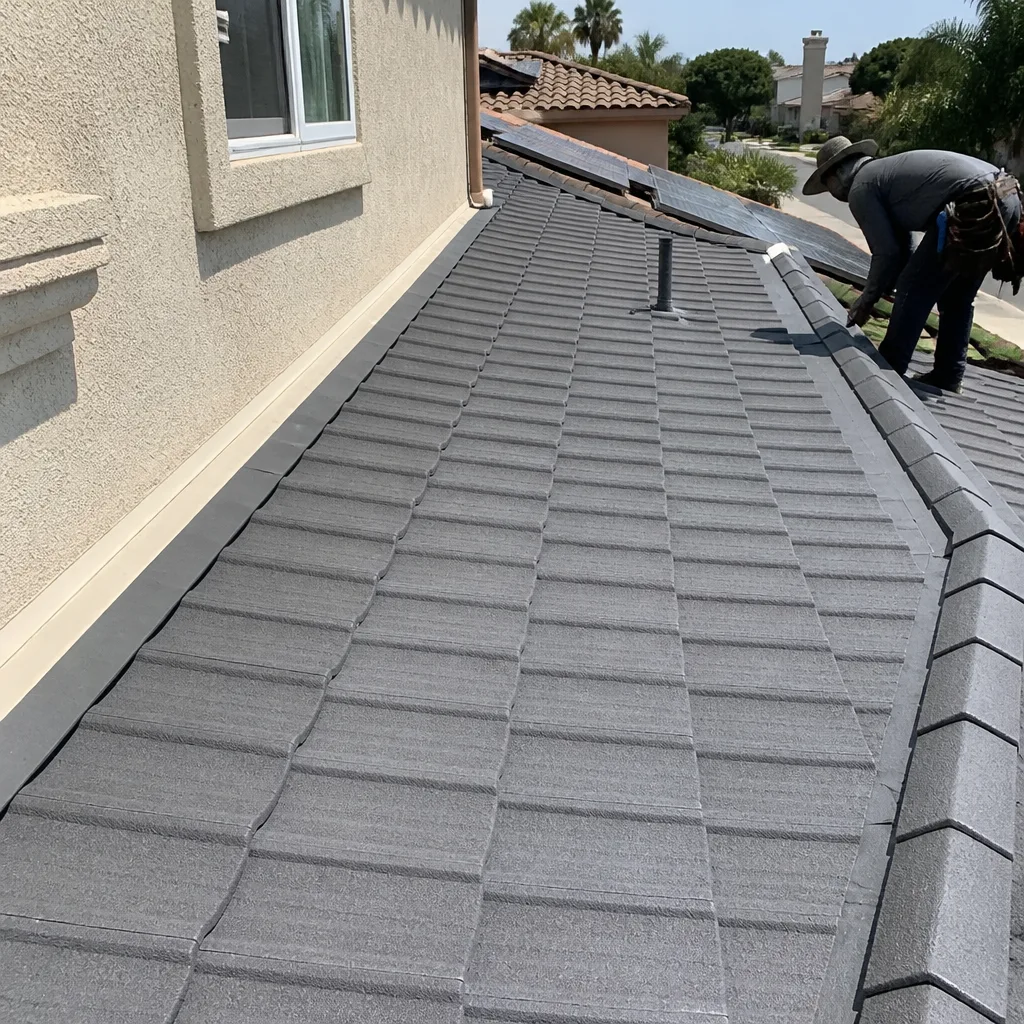
See the difference
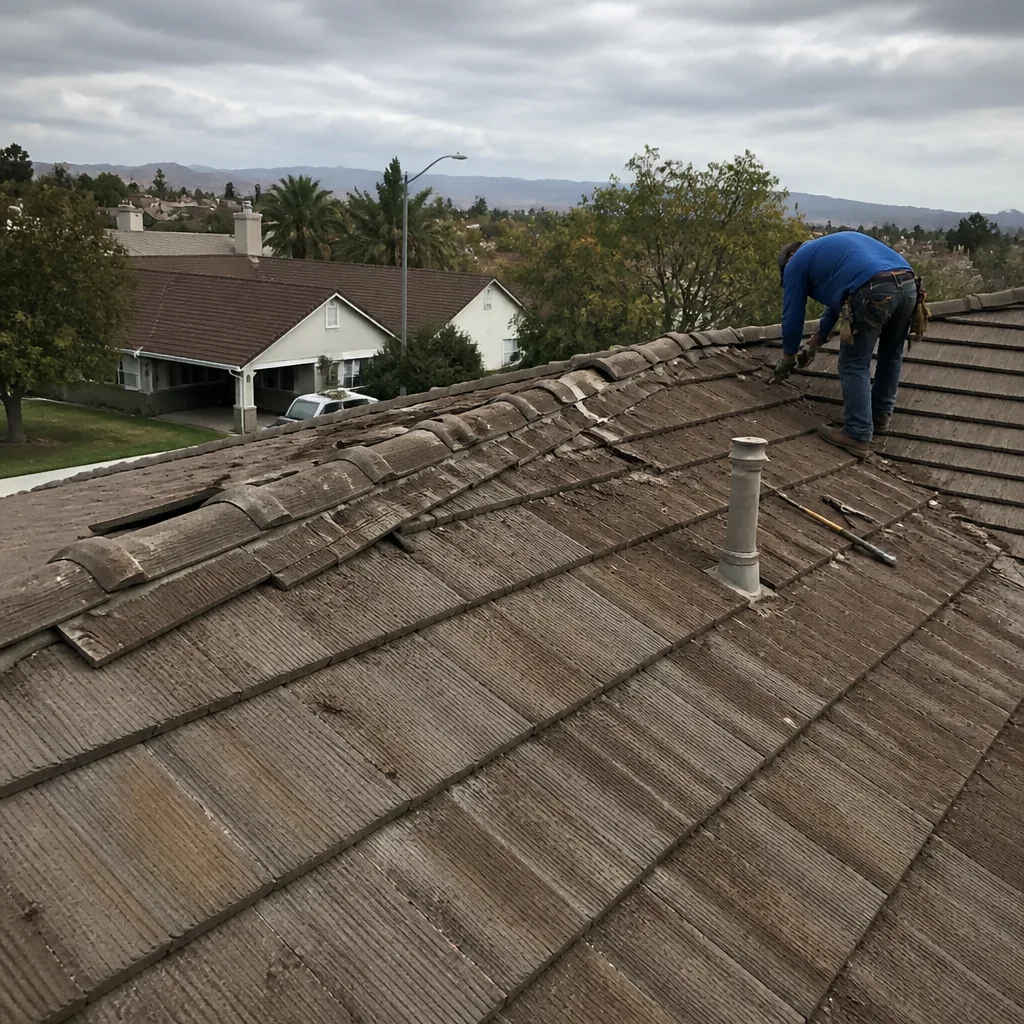 Before
 After
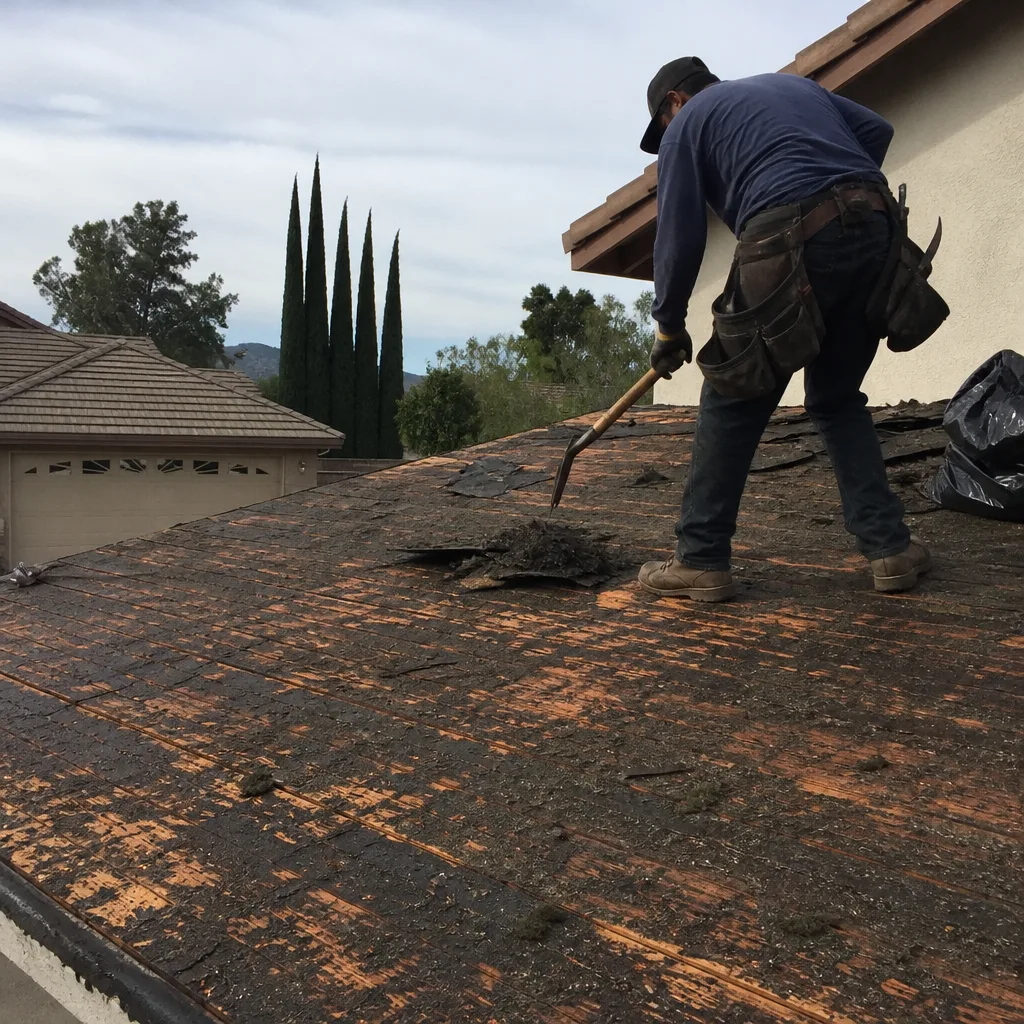 Before
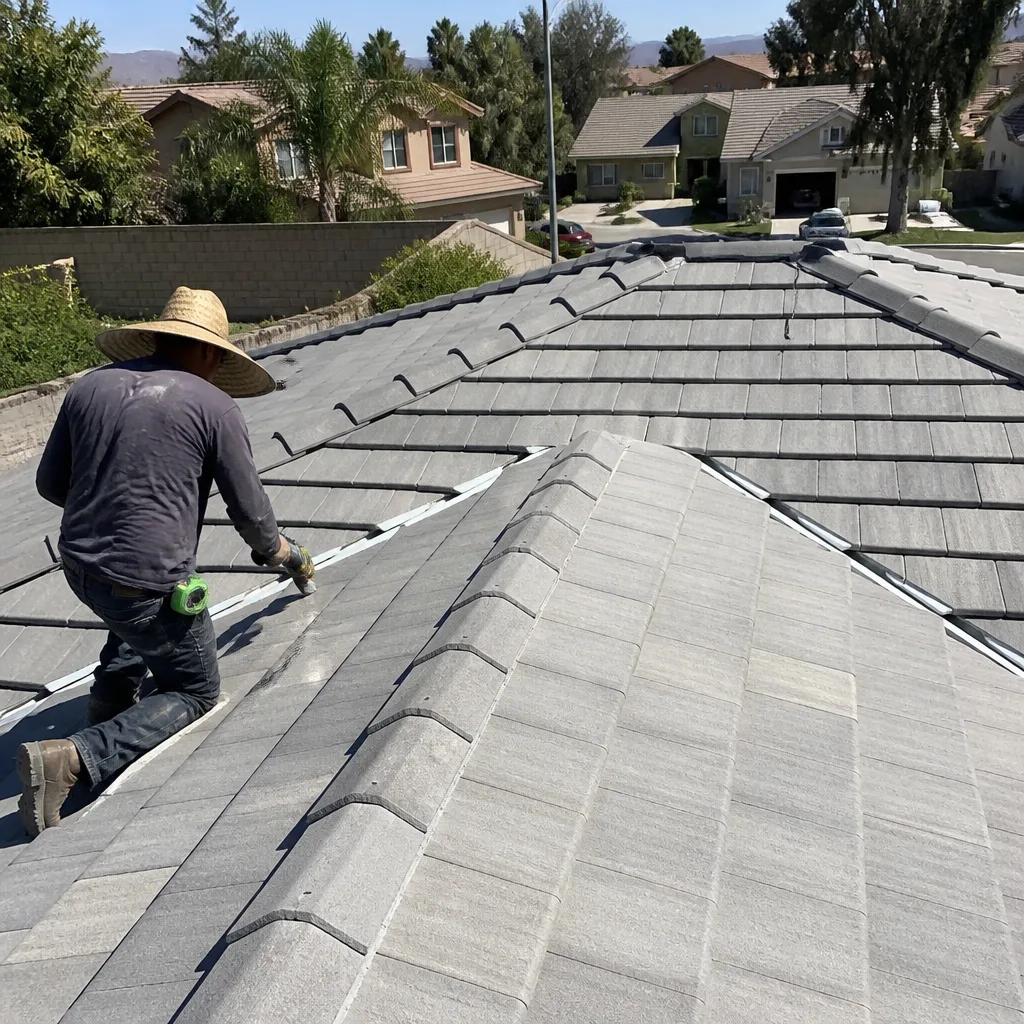 After
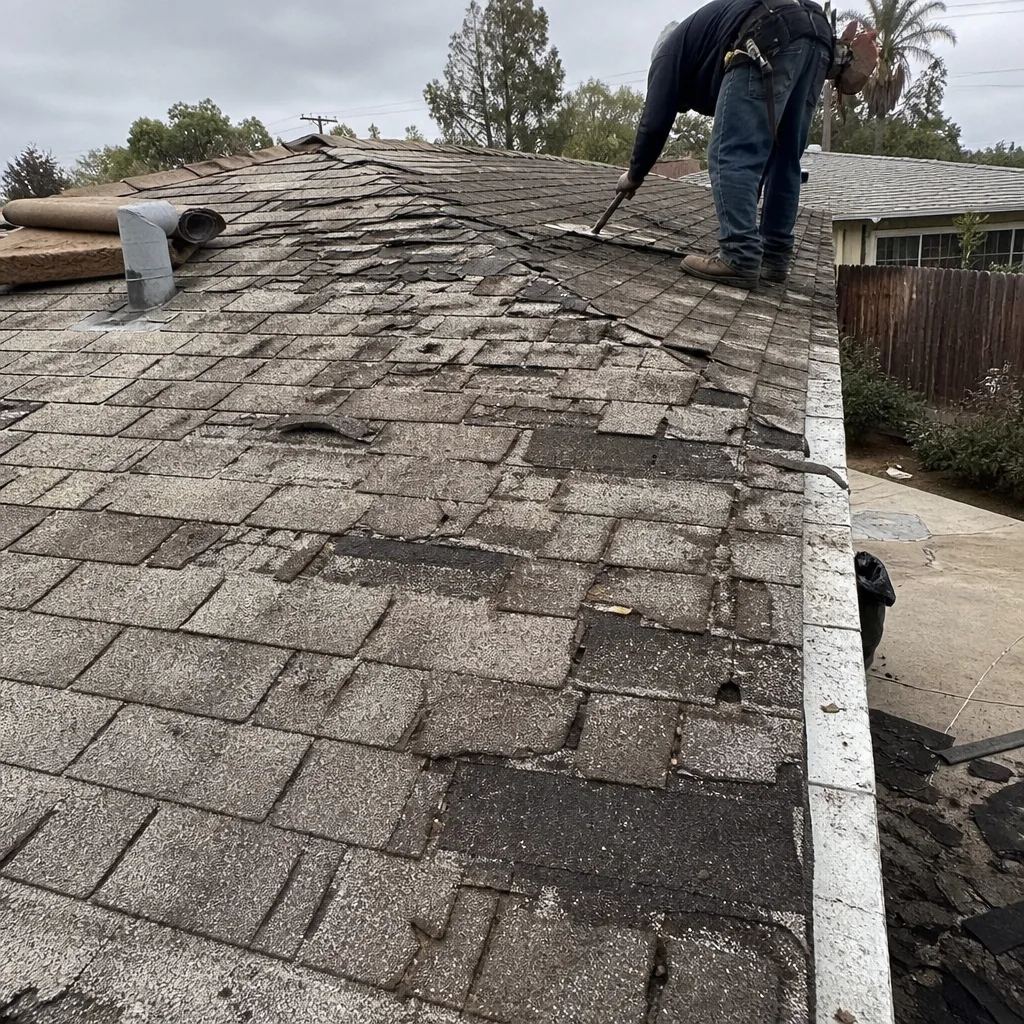 Before
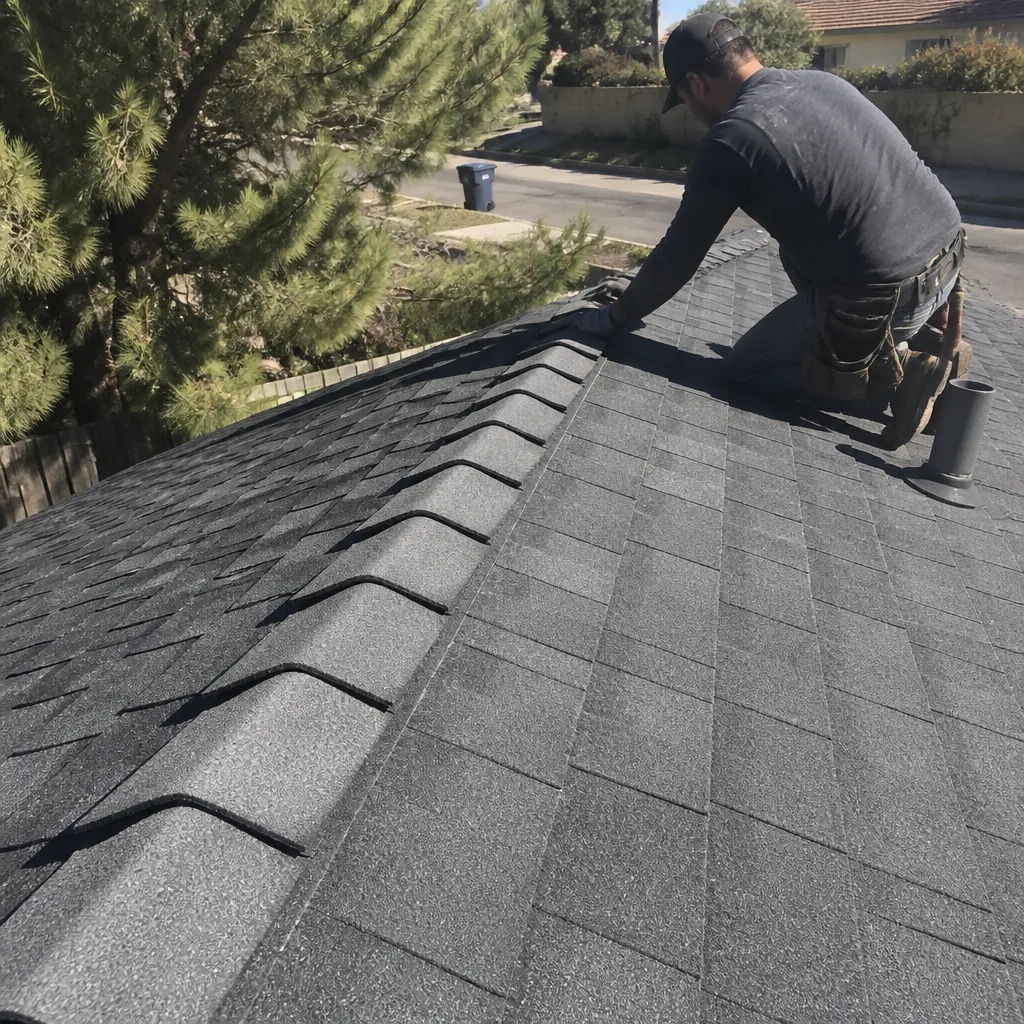 After