
Last updated October 30, 2026
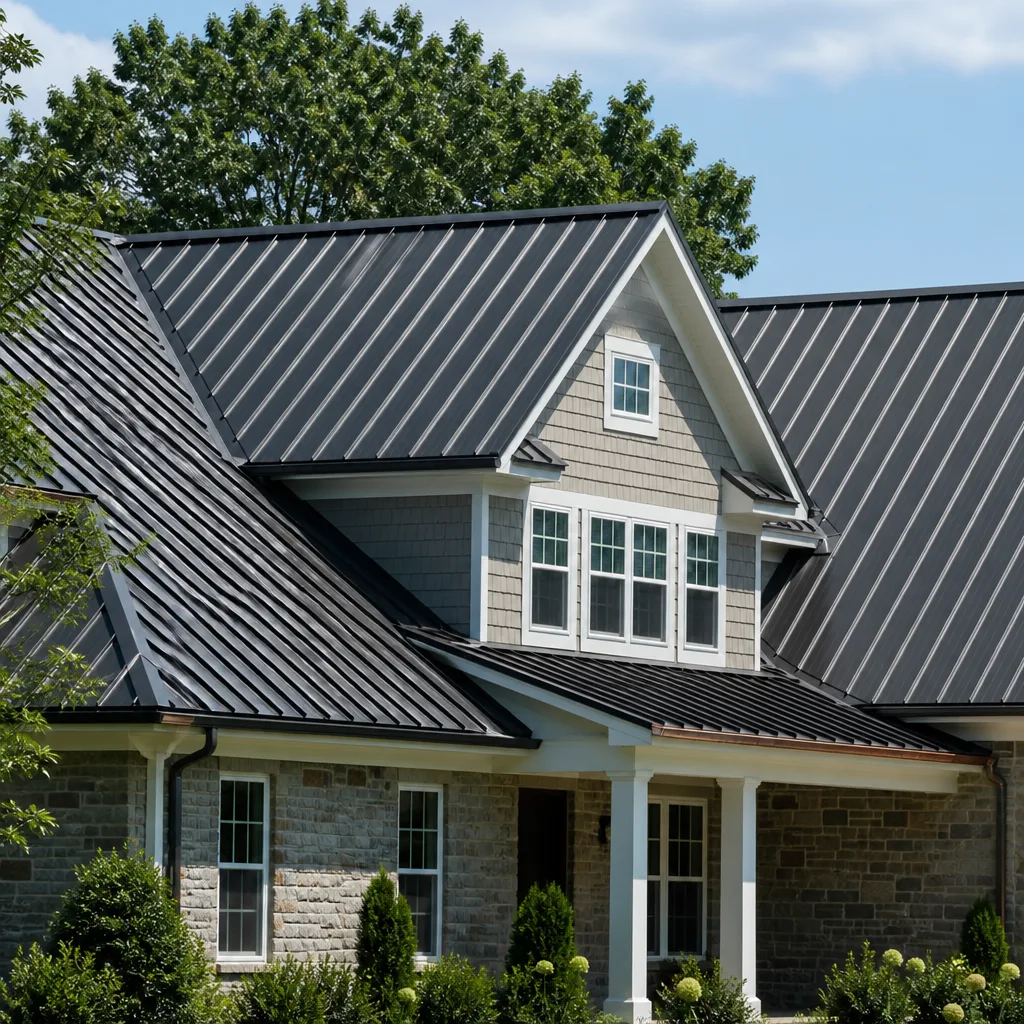 Metal roofing
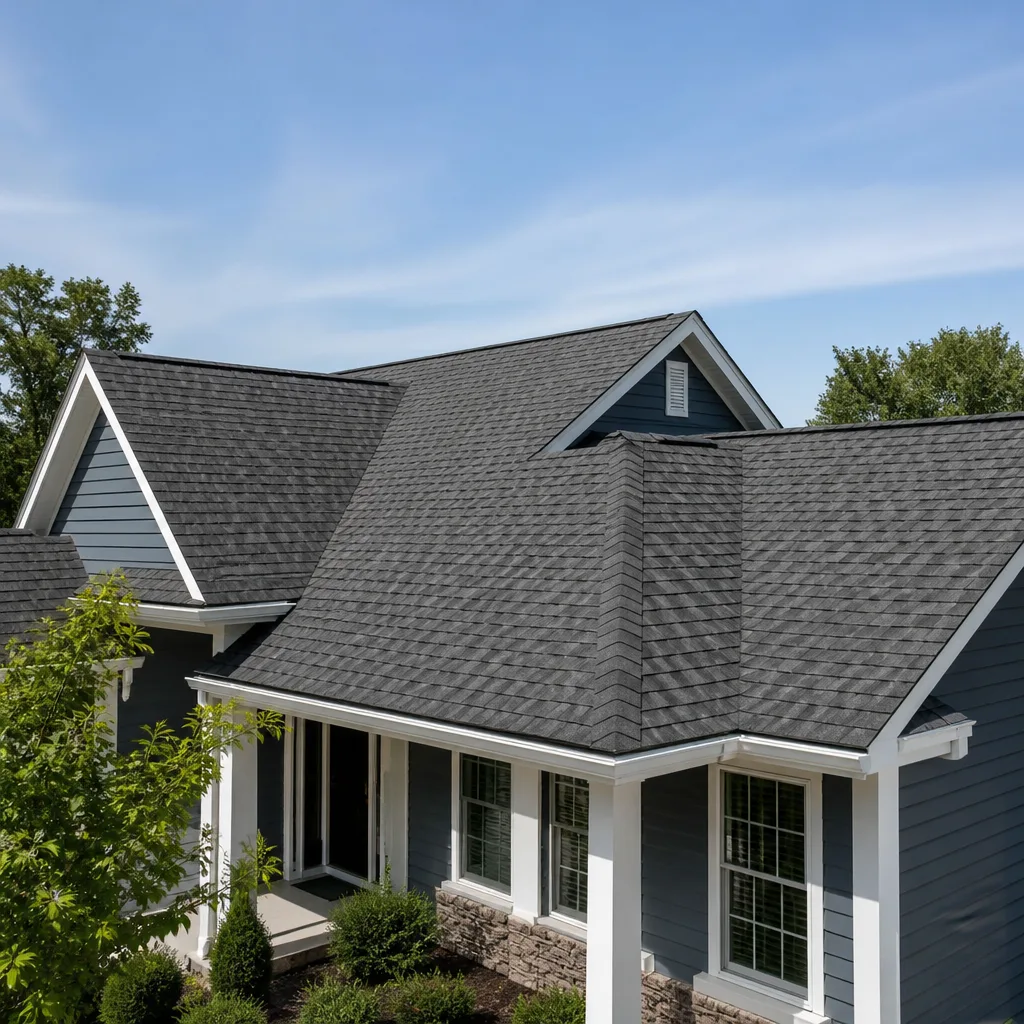 Architectural shingles
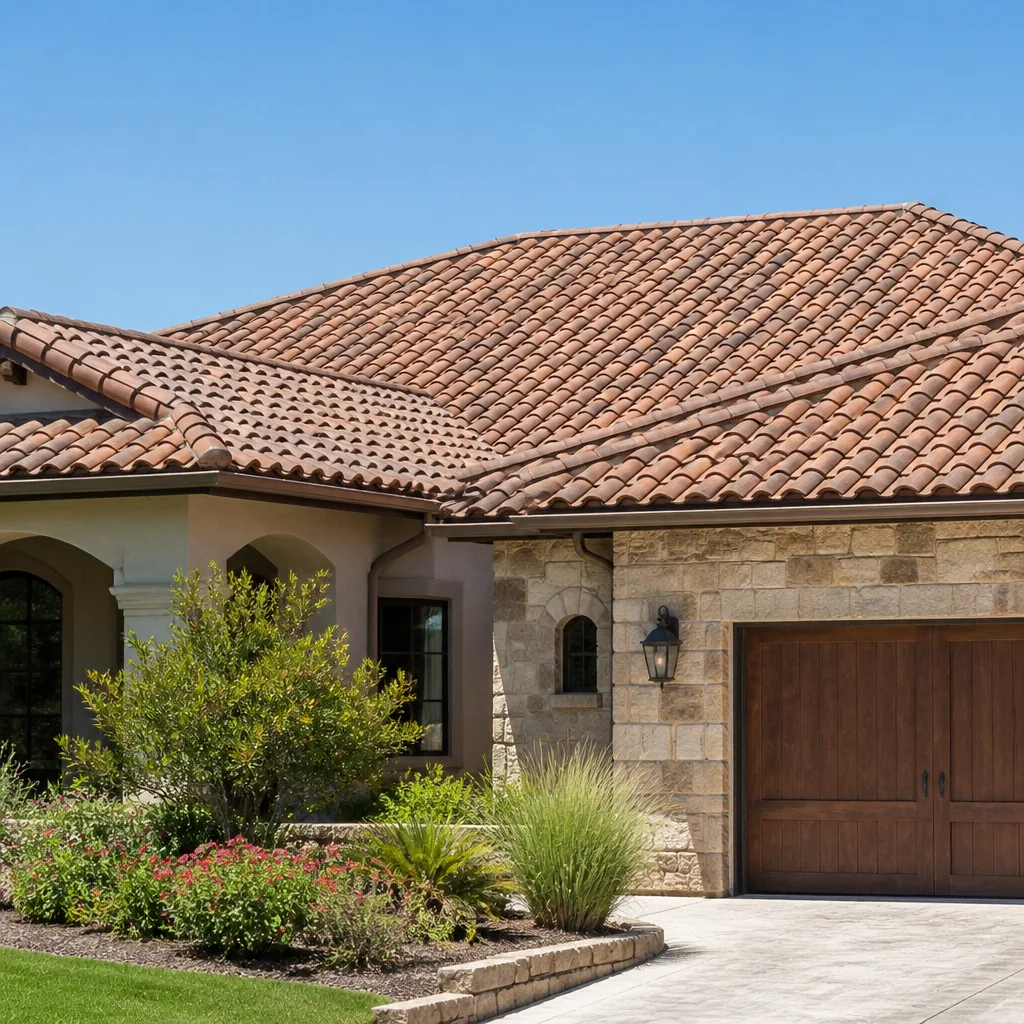 Tile roofing
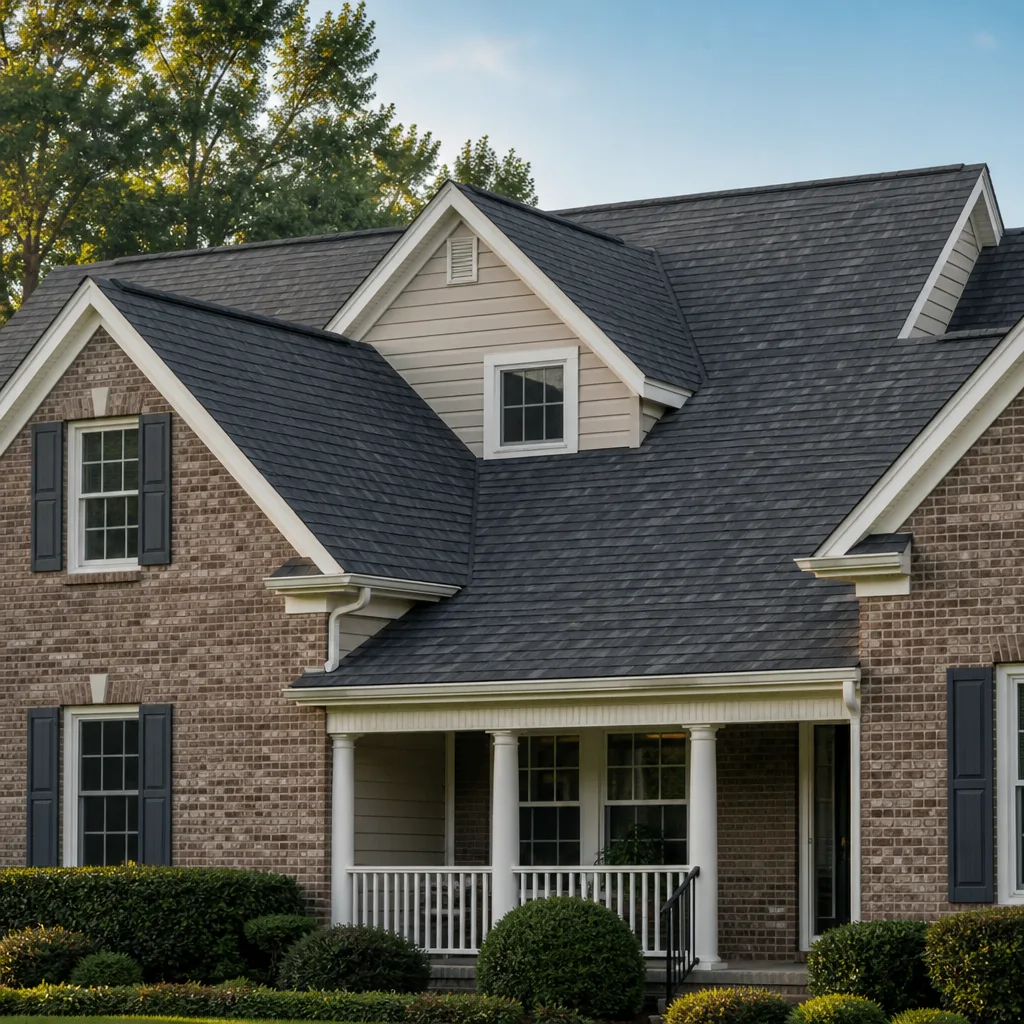 GAF
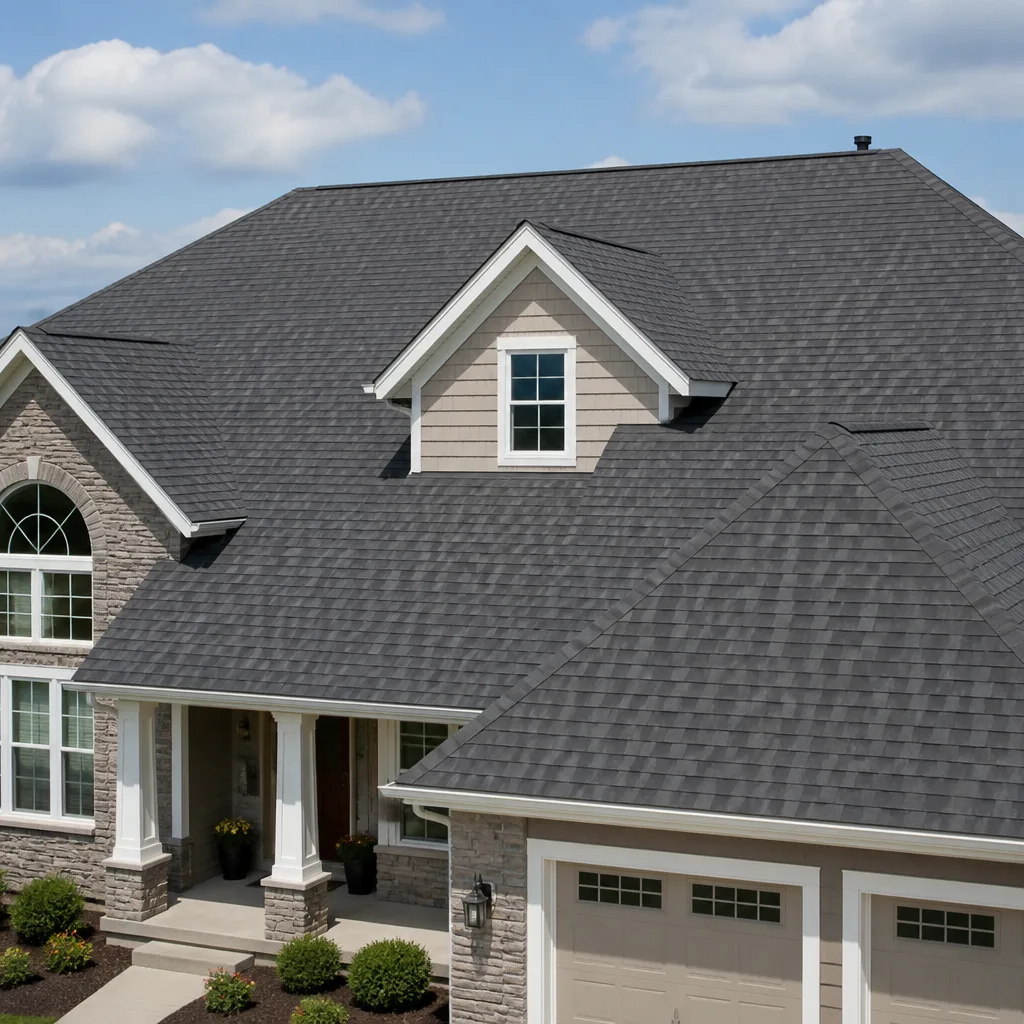 Owens Corning
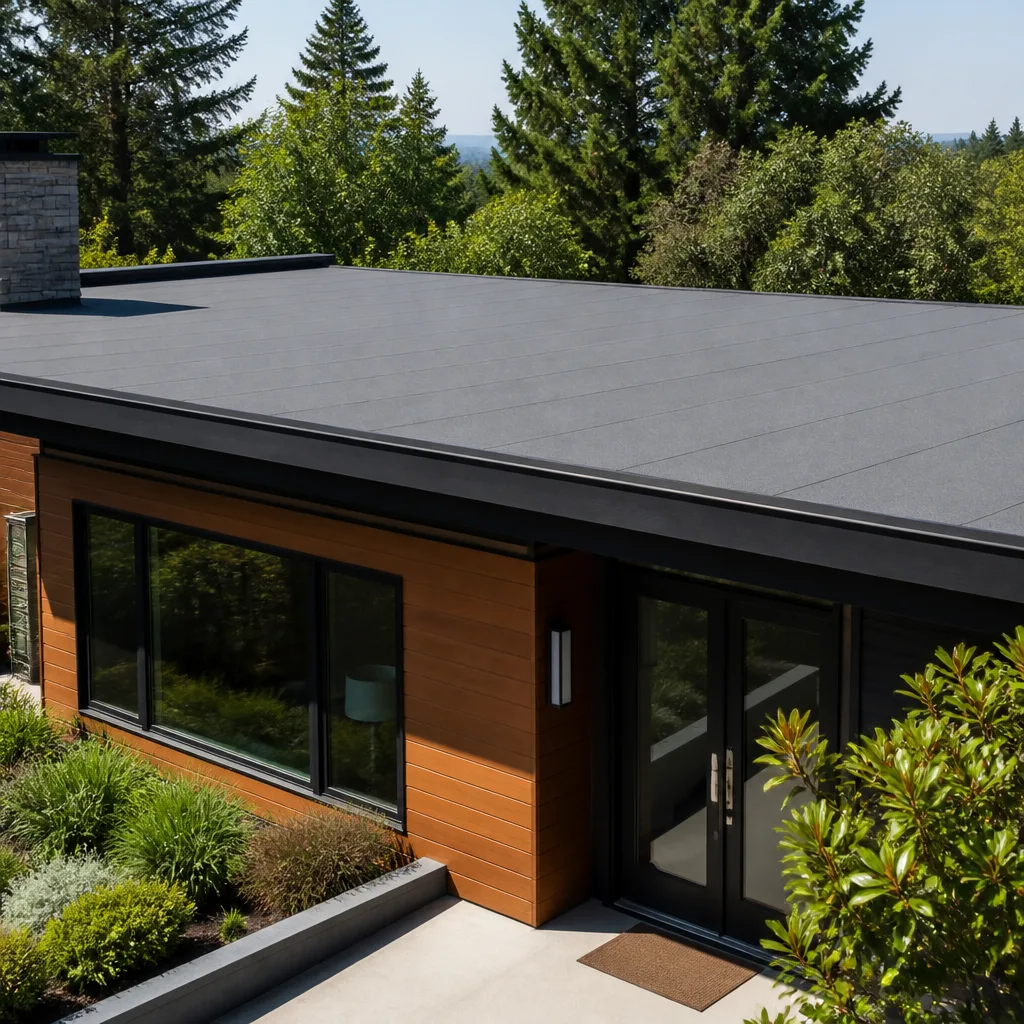 Flat & low-slope
Free roof inspection with deck photos before we talk money - GAF and Owens Corning certified installation
Roofing Permits, Codes & Inspections in CA: What You Need to Know
A full roof replacement in Moreno Valley without a permit doesn’t just risk a stop-work order. It can void your homeowner’s insurance claim on a future leak and surface as an unpermitted improvement during a home sale, costing you far more than the permit ever would have. Homeowners often think permits are just paperwork, but they’re actually the only legal record that your roof meets the structural and fire-safety standards California enforces. This guide walks through the three levels of roofing regulation that apply to Moreno Valley homes: the California Building Code, Riverside County amendments, and City of Moreno Valley enforcement. For more warning signs to watch for, see our dedicated guide. You’ll learn exactly when a permit is required, which inspections happen at which stage, and how material choices like shingle type and color affect code compliance in our specific climate zone.
Styles & brands we work with
Quick Answer
In Moreno Valley, a roofing permit is required any time you remove and replace more than 50% of the roof surface, change the roof structure, or install a new roof on a new addition. Repairs that cover less than 50% of the roof area and don’t involve structural changes typically qualify as maintenance and don’t need a permit. The correct path is to confirm the scope of work, verify which of the three regulatory levels applies, and make sure the contractor pulls the permit in your name as the homeowner.
Table of Contents
- When Is a Roofing Permit Required in Moreno Valley?
- California Title 24 Cool Roof Requirements and Your Shingle Choice
- The Moreno Valley Roof Inspection Process: Stage by Stage
- What “Code Upgrade” Actually Means During a Re-Roof
- How to Confirm the Permit Is in Your Name, Not the Contractor’s
- Material Compatibility With Riverside County’s Climate Zones
- What Permits and Inspections Cost in Moreno Valley (and How Long They Take)
- How Permits Affect Insurance Claims and Home Resale
- Common Mistakes to Avoid
- When to Call a Professional
- Frequently Asked Questions
- The Bottom Line
When Is a Roofing Permit Required in Moreno Valley?
The threshold that matters in Moreno Valley is the 50% rule. If you’re removing and replacing 50% or more of your roof’s surface area within any 12-month period, the city considers that a re-roof, not a repair, and a permit is mandatory. This isn’t a guideline or a suggestion. It’s the line between legal replacement and unpermitted work.
What triggers a permit in Moreno Valley:
- Full tear-off and replacement – any time all shingles come off and new material goes on, regardless of square footage.
- Repairs covering 50% or more of the roof surface – even if the work is done in stages across a few weeks, the city counts the cumulative area.
- Structural changes – adding skylights, changing the roofline, replacing rafters, or altering the decking in any structural way.
- New construction or additions – any new roof over a new room, patio cover, or garage is part of a larger building permit.
- Replacing the roof on a detached structure – even a small shed roof over 120 square feet needs a permit in Riverside County.
What typically does NOT require a permit:
- Replacing a few damaged shingles – a small repair under roughly 10% of the roof surface is maintenance, not construction.
- Sealing flashing or re-caulking vents – sealant work isn’t structural.
- Cleaning gutters or removing debris – these aren’t building activities at all.
- Minor repairs to roof penetrations – resealing a pipe boot or vent cover without disturbing the surrounding roof.
The square footage threshold isn’t a hard number like “500 square feet.” The City of Moreno Valley follows the California Residential Code’s definition of repair versus recover versus replace. If the existing roof covering is left in place and a new layer of shingles is added directly over it (a recover), that also triggers a permit because it’s considered a new roof installation, even though less material is being disturbed. Moreno Valley follows the California Building Code, which prohibits more than two layers of roofing on a residential structure. So if your home already has two layers, a recover isn’t legal, and a full tear-off is required.
Our team at Moreno Valley Roof Repair home will tell you plainly if your project crosses the permit threshold. We’ve seen homeowners get surprised during a pre-sale inspection by unpermitted roof work that a previous owner did years before. That’s the kind of discovery you want to make before it costs you a sale.
California Title 24 Cool Roof Requirements and Your Shingle Choice
California’s Title 24, Part 6 energy code is not a suggestion, and Moreno Valley enforces it. For any roof replacement, the new roofing material must meet minimum Solar Reflectance Index (SRI) and thermal emittance values, depending on your climate zone. Moreno Valley sits in California Climate Zone 10, which is classified as a hot-dry climate. That zone requires a minimum SRI of 16 for residential steep-slope roofs, unless you qualify for an exception.
Here’s where homeowners get confused: not every shingle color from every manufacturer meets that threshold. Popular mid-range brands like Atlas and Tamko offer a range of colors, but their darker charcoal and black options may fall below SRI 16 in certain product lines. IKO has specific cool roof-rated shingle lines, but not every IKO product qualifies. If you’re considering a roof replacement in Moreno Valley, the shingle’s SRI rating needs to be checked against your chosen color, not just the brand name.
What to know about Title 24 compliance:
- Darker colors may not comply. A traditional dark brown or black shingle often falls below SRI 16. Homeowners who want dark roofs may need to select a “cool roof” variant of that color that uses reflective granules.
- Specific product lines are rated. CertainTeed’s Solaris line, GAF Timberline Cool Series, and Owens Corning Cool Duration all carry SRI values above 16 in most colors. Atlas has Pinnacle Cool and StormMaster Cool. Tamko’s StormFighter and IKO’s Cool Plus lines also qualify in many colors.
- The documentation matters, not just the claim. The City of Moreno Valley’s inspectors will ask for the manufacturer’s SRI test data or the Cool Roof Rating Council (CRRC) certification for the exact product and color being installed. If the contractor can’t produce it, the inspection can fail.
- Clay tile and some Boral products exceed the minimum easily. Boral’s concrete and clay tiles naturally reflect more heat, often with SRI values well above 16. They can be a strong choice for Moreno Valley’s summer heat if the roof structure supports the weight.
The practical takeaway: before you fall in love with a shingle color, verify the SRI. What looks right on the sample board may not be code-legal on your roof in Moreno Valley.
The Moreno Valley Roof Inspection Process: Stage by Stage
The City of Moreno Valley’s Building & Safety division inspects roofs at specific stages, and missing one of those inspection windows is one of the most common sources of project delays and failed inspections. The inspector needs to see the roof before it’s closed up. Once the underlayment is covered and the shingles are on, the inspector can’t verify what’s underneath, and that’s a failed inspection.
Here’s the typical sequence for a permitted roof replacement in Moreno Valley:
- Permit issuance. The contractor or homeowner submits the roof plan, material specifications, and Title 24 compliance documentation. The permit is issued and must be posted on site.
- Pre-cover inspection (sometimes required for tear-offs). If structural decking is exposed, the city may require an inspection of the roof deck before underlayment goes on. This confirms the decking meets current nailing patterns and isn’t rotted or structurally unsound.
- Underlayment inspection (the critical one). The inspector verifies the correct underlayment type for Moreno Valley’s climate zone, proper fastening, and that drip edges, valley flashing, and penetrations are sealed. This happens before shingles are installed. If the contractor closes the roof before this inspection, the inspector can require removal of the new roofing to see what’s underneath.
- Final inspection. The inspector walks the finished roof, checks nailing patterns on the shingles, confirms the SRI rating matches the approved permit documents, and verifies that flashing and drainage meet code. For certain products, the inspector may request the manufacturer’s installation guide to verify the work matches their specifications.
- Permit sign-off. The inspector signs the permit card. The city records the final inspection in the property’s building history. This is the record that proves the roof was legally installed.
Our team schedules these inspections for you and walks the inspector through the work. If the inspector flags something, we correct it and schedule a reinspection. It’s part of the job, not an extra. But a homeowner who hires a crew that skips the underlayment inspection can end up with a finished roof that legally doesn’t exist. When you’re getting a roof inspection in Moreno Valley, we check the permit history as part of our assessment, so you know exactly where your roof stands with the city.
What “Code Upgrade” Actually Means During a Re-Roof
When you tear off an old roof in Moreno Valley, the inspector doesn’t just look at the shingles. The California Building Code requires that any components you’re disturbing – or that are accessible during the re-roof – be brought up to current code. This is what contractors mean when they say “code upgrade,” and it’s not an add-on sale. It’s the law.
What gets triggered during a re-roof:
- Underlayment. California requires at least one layer of ASTM D226 Type II felt (or a code-approved synthetic equivalent) across the entire roof deck in Climate Zone 10. If your old roof has a single layer of 15-pound felt or no underlayment at all, a synthetic or double-layer system must go on. This is the most common code upgrade.
- Decking. If the sheathing boards are rotted, delaminated, or not secured with the now-required nailing pattern, the inspector will require replacement. Moreno Valley’s dry climate means decking rot is less common than in coastal areas, but dry rot from past leaks or poor attic ventilation is still a real issue.
- Attic ventilation. California now requires a balanced ventilation system: 1 square foot of net free vent area for every 150 square feet of attic space, split between intake and exhaust. If your existing roof has only a few passive vents, the re-roof may need additional intake vents or a ridge vent to pass inspection. This is mandatory, not optional.
- Flashing at walls and penetrations. The current code requires specific kickout flashing at roof-wall intersections and proper pan flashing at penetrations. Old roofs often don’t have these. The inspector will look.
These aren’t line items a contractor can skip to give you a lower bid. They’re the minimum standard a permitted re-roof in Moreno Valley must meet.
How to Confirm the Permit Is in Your Name, Not the Contractor’s
This is one of the most overlooked details in roofing, and it matters more than most homeowners realize. A building permit should be issued to the property owner – you – with the contractor listed as the licensed professional performing the work. Here’s why the distinction matters:
- Warranty claims. If the permit is in the contractor’s name and that contractor goes out of business, you may have no legal record tying the work to your property. This can complicate manufacturer warranty claims or future repair work.
- Resale disclosures. When you sell your home, the buyer’s inspector will check the city’s building records. A permit in your name is a clean, transferable record. A permit in someone else’s name raises questions.
- Insurance claims. If you need to file a claim for storm damage or a leak, the insurance company will ask for proof the roof was legally installed. A permit in your name with a final sign-off is that proof.
How to verify:
- Ask to see the permit before work starts. The permit card should list you as the owner and the contractor as the licensed builder.
- Check the City of Moreno Valley’s online permit portal. You can search by your address. The permit record should show your name as the owner.
- Get a copy of the final sign-off. When the inspection passes, ask for a copy of the signed inspection card and the final permit status. Keep it with your closing documents.
This is not a small detail. It’s the difference between a roof that’s legally yours and a roof that’s on your house but legally belongs to someone else’s paperwork.
Material Compatibility With Riverside County’s Climate Zones
Riverside County’s enforcement adds a layer beyond the state code. Moreno Valley’s specific conditions – high summer heat, low humidity, occasional Santa Ana wind events, and the rare but real heavy rain year – mean some roofing materials perform better than others. Our seasonal roofing care guide explains how to protect your investment year-round. But code compliance isn’t about performance preference. It’s about the specific requirements tied to Riverside County’s adoption of the state code.
What to know about material selection in Moreno Valley:
- Wind load requirements. Riverside County enforces a wind speed design of 95 mph for most of Moreno Valley. Not every shingle is rated for that. Most architectural shingles from the major brands carry a 110 mph or higher rating, but some three-tab products and some value-tier shingles do not. Check the manufacturer’s wind warranty before you buy.
- Fire ratings. Moreno Valley sits in a moderate to high wildfire risk area, depending on the neighborhood. California requires Class A fire-rated roofing in the Wildland-Urban Interface (WUI). The products that meet Class A include most fiberglass-asphalt shingles, clay tile, and concrete tile from Boral. Some wood shakes and low-cost materials do not qualify. If your neighborhood is in the WUI, your material options narrow.
- Heat and SRI. As covered in the Title 24 section, Climate Zone 10 means SRI compliance. Products from Atlas and Tamko have strong cool roof options, while IKO offers specific Cool Plus lines that meet California requirements in many colors.
- Weight considerations. Some older Moreno Valley homes were built with roof structures designed for lightweight shingles. If you’re considering a heavier material like concrete tile from Boral, the existing structure may need to be evaluated. The building code requires that the roof structure support the dead load of the chosen material.
Because we install materials from seven different manufacturers, we’re not locked into recommending one product line. See our buyer’s guide for choosing the right roofing brand in Moreno Valley to understand what matters most. The right material for your roof isn’t the most expensive one. It’s the one matched to your climate, your home, and your timeline. If a homeowner comes to us wanting a specific product that won’t pass inspection in their neighborhood, we say so before they spend a dollar.
What Permits and Inspections Cost in Moreno Valley (and How Long They Take)
Roofing permit fees in Moreno Valley are calculated based on the valuation of the work, not a flat fee. For a typical single-family home roof replacement, the permit fee typically ranges from $180 to $450, depending on the project’s declared value. The city also charges a small building and safety fee and sometimes a plan check fee if structural changes are involved.
What the timing looks like:
- Permit application to issuance: 2 to 7 business days for a straightforward re-roof with no structural changes. More complex projects with structural alterations can take longer.
- Inspection scheduling: The City of Moreno Valley typically schedules inspections within 1 to 3 business days of a request. Same-day inspections are sometimes available if the request is in before the city’s morning cutoff.
- Full project timeline: A typical re-roof on a 1,800-square-foot home runs 2 to 4 days of work, with inspections slotted in between stages. The permit remains open until the final inspection passes.
Keep in mind: the permit fee is the wrong place to cut costs. An unpermitted roof can cost you $5,000 to $15,000 in remediation during a home sale, not including the original roof cost. A few hundred dollars in permit fees is cheap insurance.
How Permits Affect Insurance Claims and Home Resale
This is the section that turns “should I get a permit?” into “I’m getting a permit.”
Insurance claims: Homeowners insurance policies in California commonly include an exclusion for damage caused by unpermitted work. If you replace your roof without a permit and a leak develops three years later, the insurance adjuster may deny the claim on the grounds that the roof was illegally altered. More specifically, if the unpermitted roof fails during a storm and causes interior damage, the insurer can decline the entire claim – the roof damage and the interior water damage – because the root cause was an illegal modification. That’s a worst-case scenario that happens more often than homeowners think.
Home resale: In California, sellers are required to disclose any unpermitted work. If you don’t disclose it and the buyer discovers the unpermitted roof during escrow, you can be liable for damages, including the cost of retroactive permitting or even tearing off the roof. If you do disclose it, the buyer may demand a price reduction, a credit for a new permitted roof, or walk away entirely. Either way, unpermitted work surfaces as a liability during resale.
When we provide a Roof Inspection in Moreno Valley, we check the city’s permit history as part of the report. If prior unpermitted work is uncovered, we tell you. It’s better to know before it costs you a claim or a sale.
Common Mistakes to Avoid
- Assuming a “repair” doesn’t need a permit. If the repair area crosses the 50% threshold or involves structural components, it’s a re-roof, and the permit is required. Small repairs under that threshold are exempt, but the line is specific. When in doubt, call the city and ask – the Building & Safety counter will tell you.
- Choosing a shingle color without checking SRI. Dark shingles look great, but if the SRI falls below 16, your inspection fails, and you’re buying materials twice. Check the CRRC rating for the exact product and color before you order.
- Letting the contractor close the roof before the underlayment inspection. Once shingles are on, the inspector can’t verify what’s underneath. If the contractor says “the inspector can just check from the outside,” that’s not how this works. The underlayment inspection happens before the shingles go on. Period.
- Paying the full amount before the final inspection passes. A reputable roofer structures payments so the final portion is due after the final inspection sign-off. If a contractor demands full payment before the city closes the permit, that’s a red flag. You lose leverage, and the inspector has no reason to complete the file.
- Not keeping a copy of the final permit sign-off. That signed card is the only legal record that your roof was installed correctly. Without it, a future buyer or insurance company has no way to verify the work. Scan it, email it to yourself, store it with your deed.
When to Call a Professional
If any part of this guide leaves you uncertain about your roof’s status, the next step is a professional inspection. Not a sales pitch. An actual roof inspection with a written report. Here’s when to call: you’re planning to sell and want to avoid a disclosure problem; you recently bought a home and can’t confirm the roof’s permit history; you had a roof leak and aren’t sure whether the repair was done legally; or you’re planning a replacement and don’t know which products meet Moreno Valley’s SRI and fire requirements. Moreno Valley Roof Repair offers free estimates in Moreno Valley – call (866) 217-3967. We’ll assess the roof, check the permit record, and tell you exactly what’s needed.
Frequently Asked Questions
A roof permit in Moreno Valley typically costs between $180 and $450 for a standard residential re-roof, calculated on the declared project valuation. Additional plan check fees may apply if structural changes are involved. Call (866) 217-3967 for an exact quote – estimates are free.
No. California law requires a permit for any roof replacement covering 50% or more of the roof surface, even if you do the work yourself. Owner-builder permits are available, but the work still must pass all the same inspections. The permit protects you from insurance claim denials and resale liabilities, not just from legal trouble during the work.
Yes, for any roof replacement in Climate Zone 10, the City of Moreno Valley enforces California Title 24 minimum SRI requirements. For steep-slope roofs, the minimum SRI is 16. Not every shingle color meets this standard, so verify the CRRC rating for the exact product and color before purchasing. Popular cool roof products from Atlas, Tamko, and IKO are available that meet or exceed the requirement.
It shouldn’t, if you have a written line-item quote with fixed pricing and no change orders. The most common surprise costs are code upgrades – underlayment, decking replacement, or additional ventilation – that the original quote didn’t include. A thorough inspection before the quote prevents most of these. Ask your contractor to itemize exactly what’s included and what might trigger additional charges.
For a standard re-roof with no structural changes, the City of Moreno Valley typically issues a permit within 2 to 7 business days of application. The full project timeline depends on the roof’s size and condition, but a typical 1,800-square-foot home takes 2 to 4 days of actual roofing work, with inspections scheduled between stages.
Yes. We pull all required permits before work begins, schedule the inspections at each stage, and provide you with the final sign-off documentation when the permit closes. The permit is issued in your name, with our company listed as the licensed contractor. You never have to chase down paperwork or deal with the city directly. Call (866) 217-3967 to start with a free estimate.
The Bottom Line
Roofing permits in Moreno Valley aren’t bureaucracy for its own sake. They’re the paperwork that proves your roof was built to the standards California requires, and they protect you from insurance claim denials, resale complications, and structural failures. The rules operate at three levels – state code, Riverside County amendments, and city enforcement – and the practical path through them is simpler than it looks: verify the scope triggers a permit, choose a compliant material, get the underlayment inspected before the shingles go on, and keep the final sign-off. A few hundred dollars in permit fees and a few days of scheduling is a small price for the legal certainty that your roof is yours, properly built, and ready for whatever Moreno Valley’s climate sends its way. Explore more guides & resources on protecting your home.
Written by the team at Moreno Valley Roof Repair, serving Moreno Valley since 2013.
See the difference
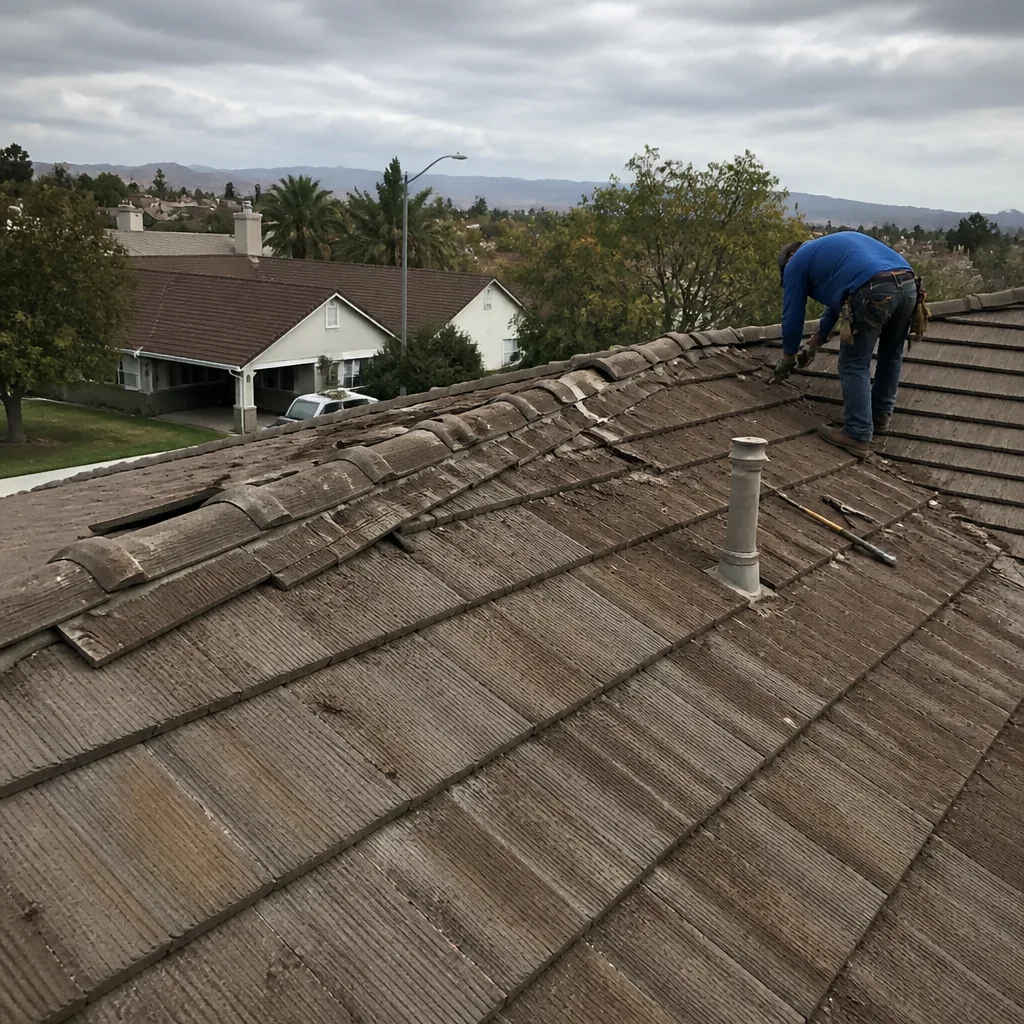 Before
 After
 Before
 After
 Before
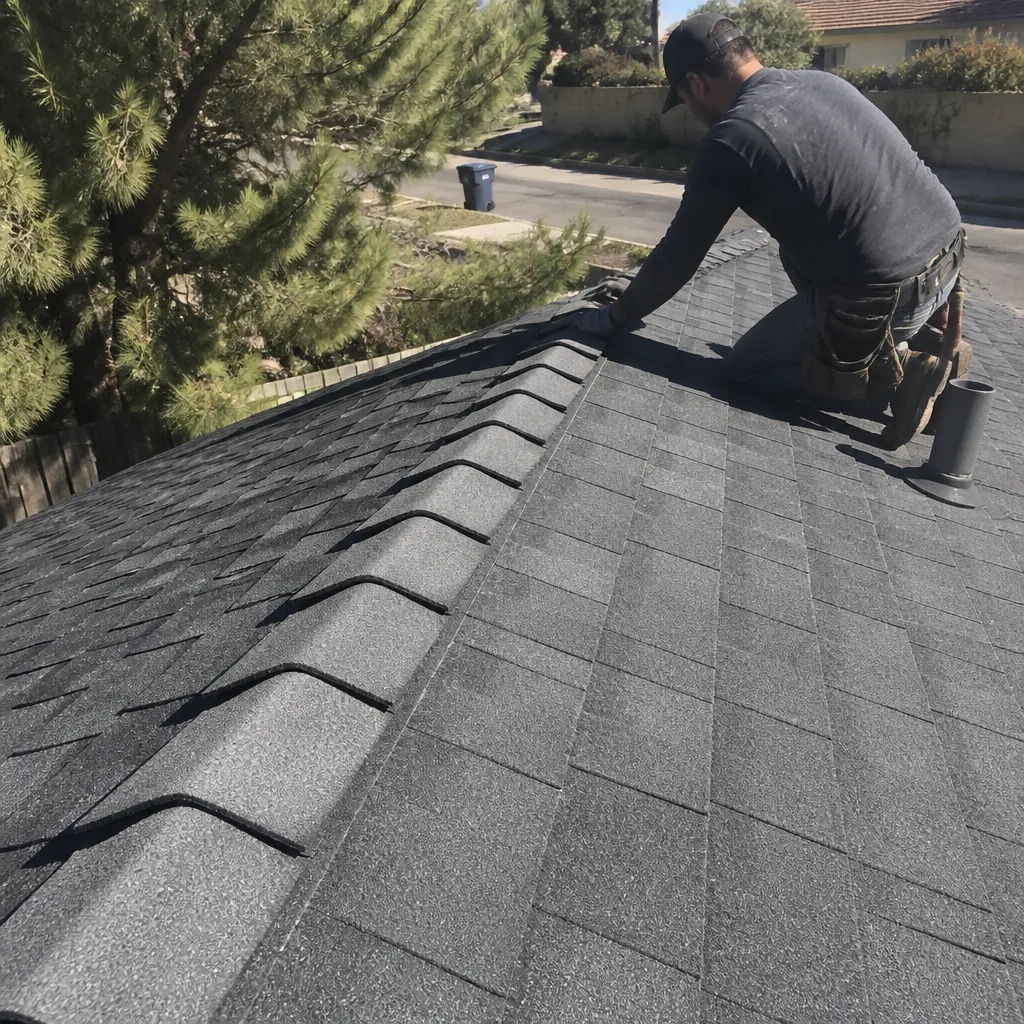 After