
Last updated October 30, 2026
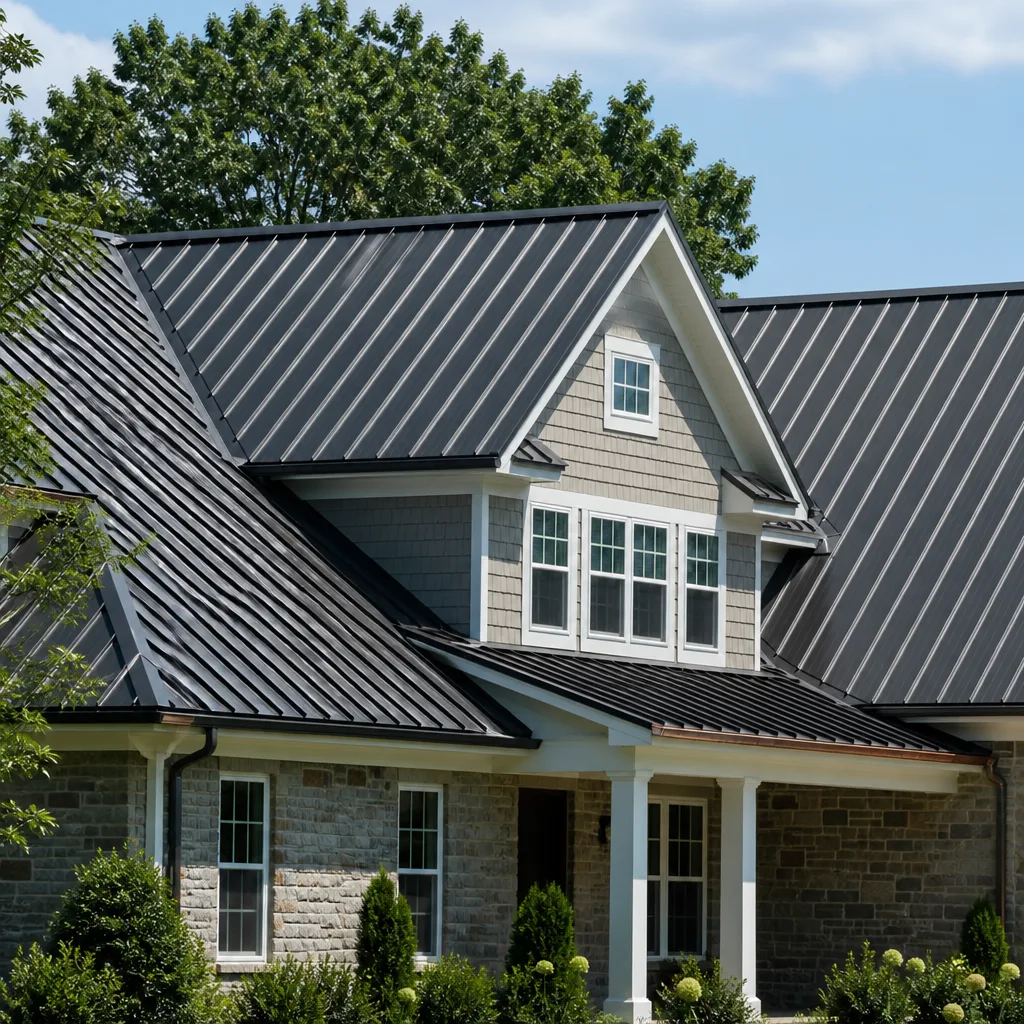 Metal roofing
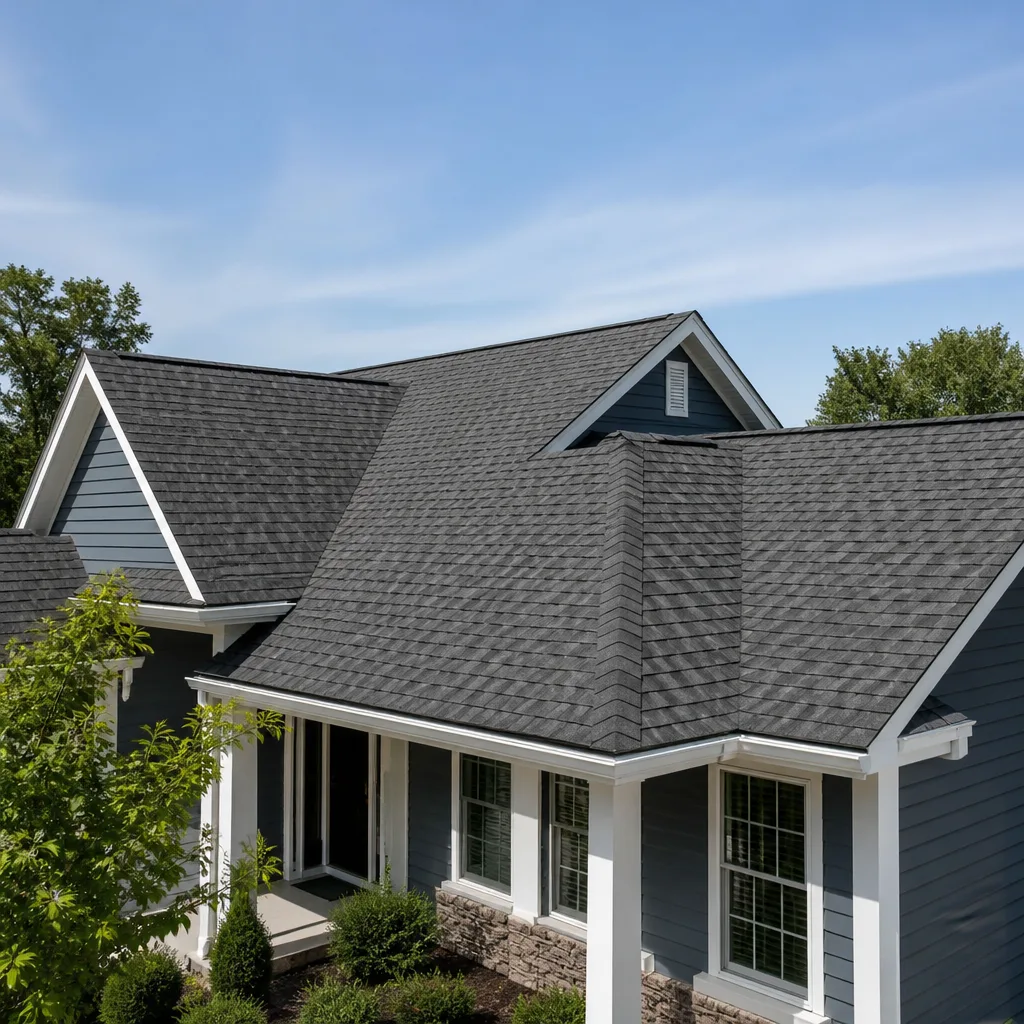 Architectural shingles
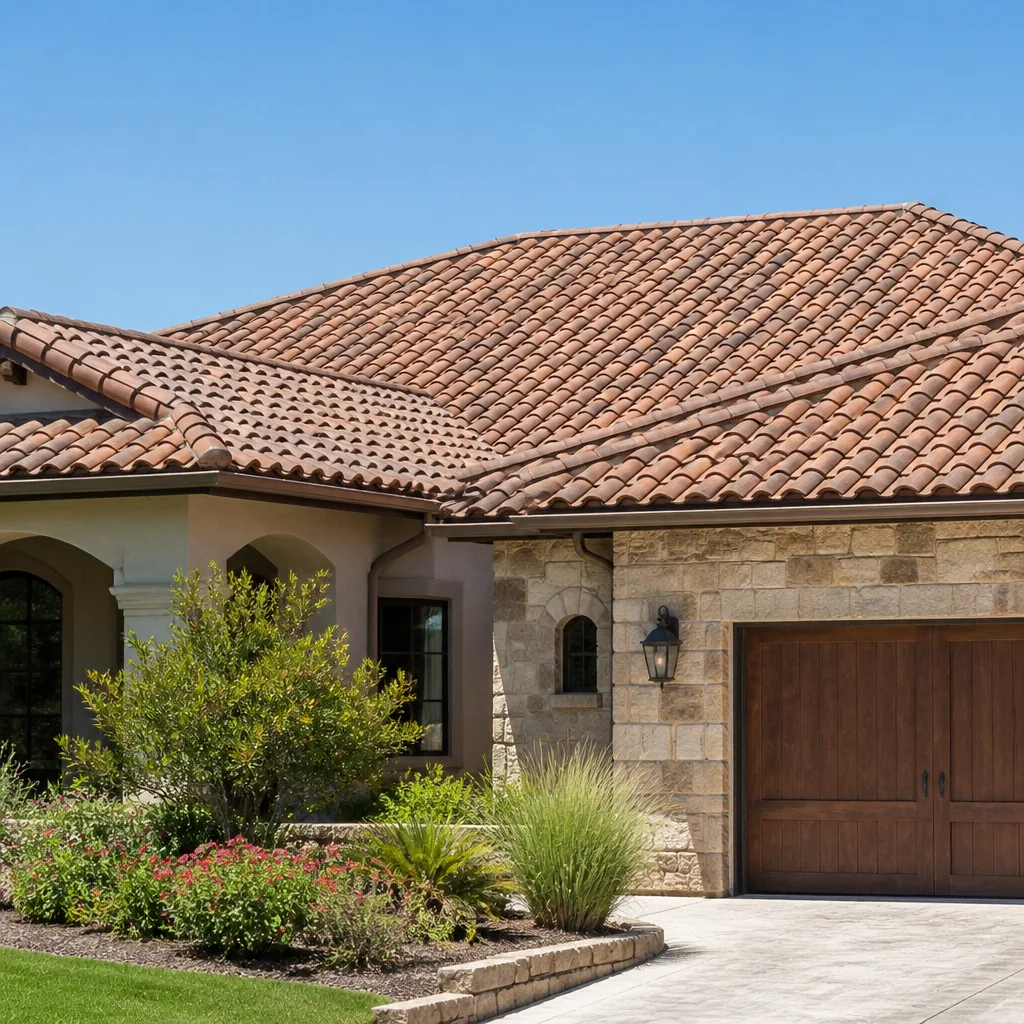 Tile roofing
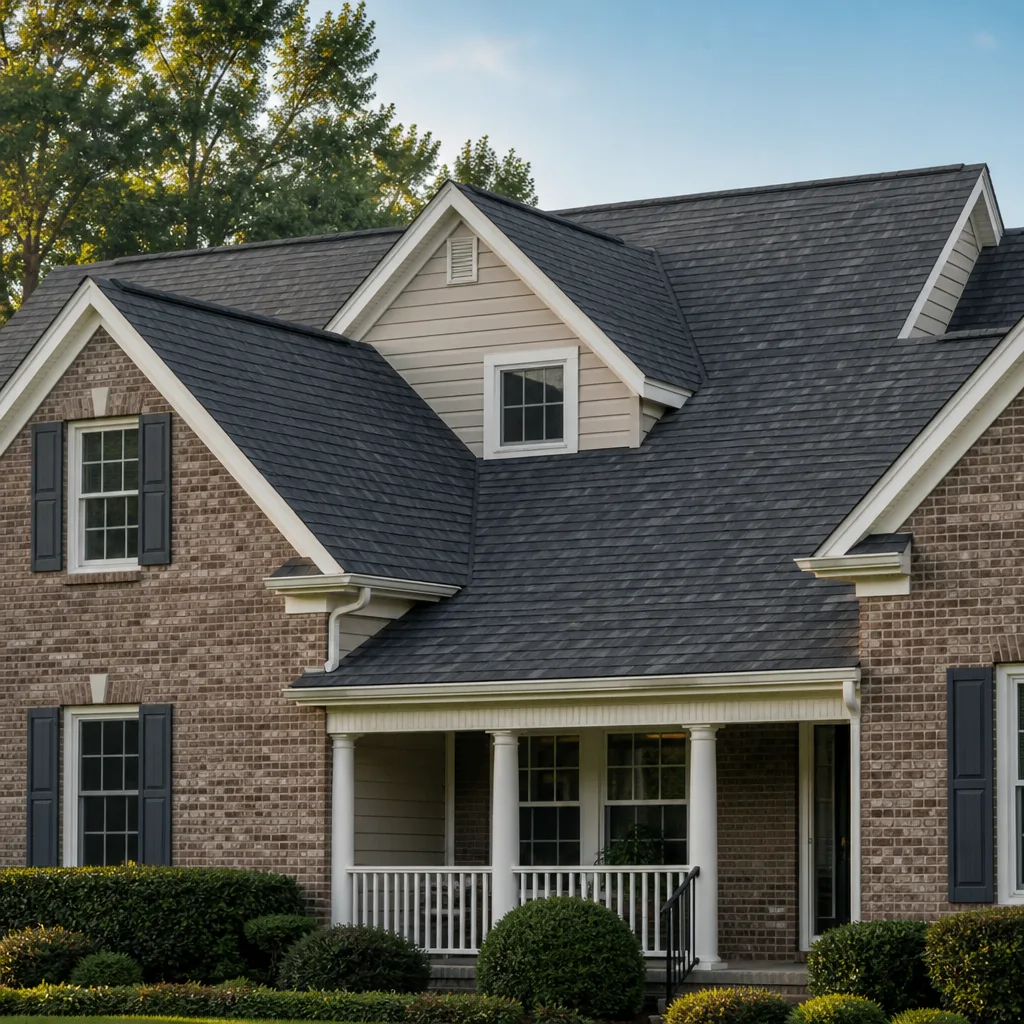 GAF
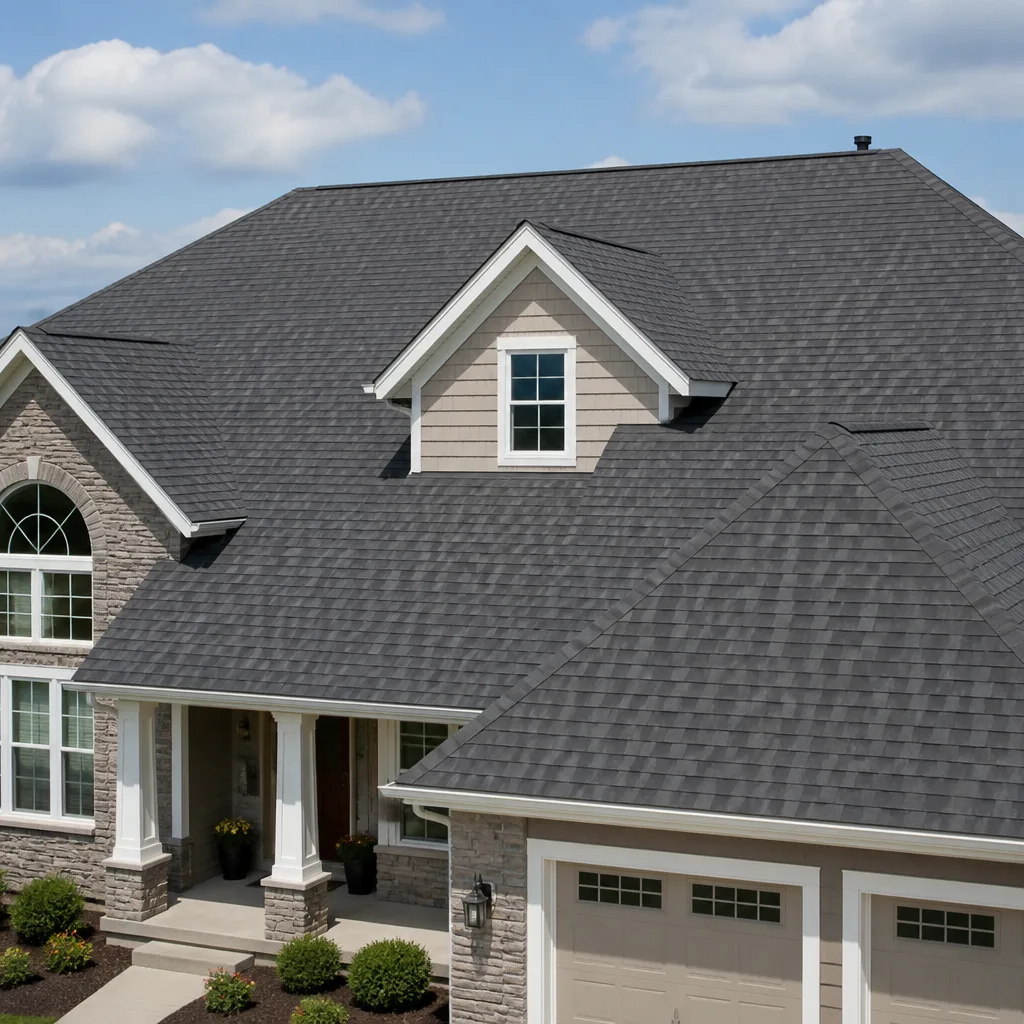 Owens Corning
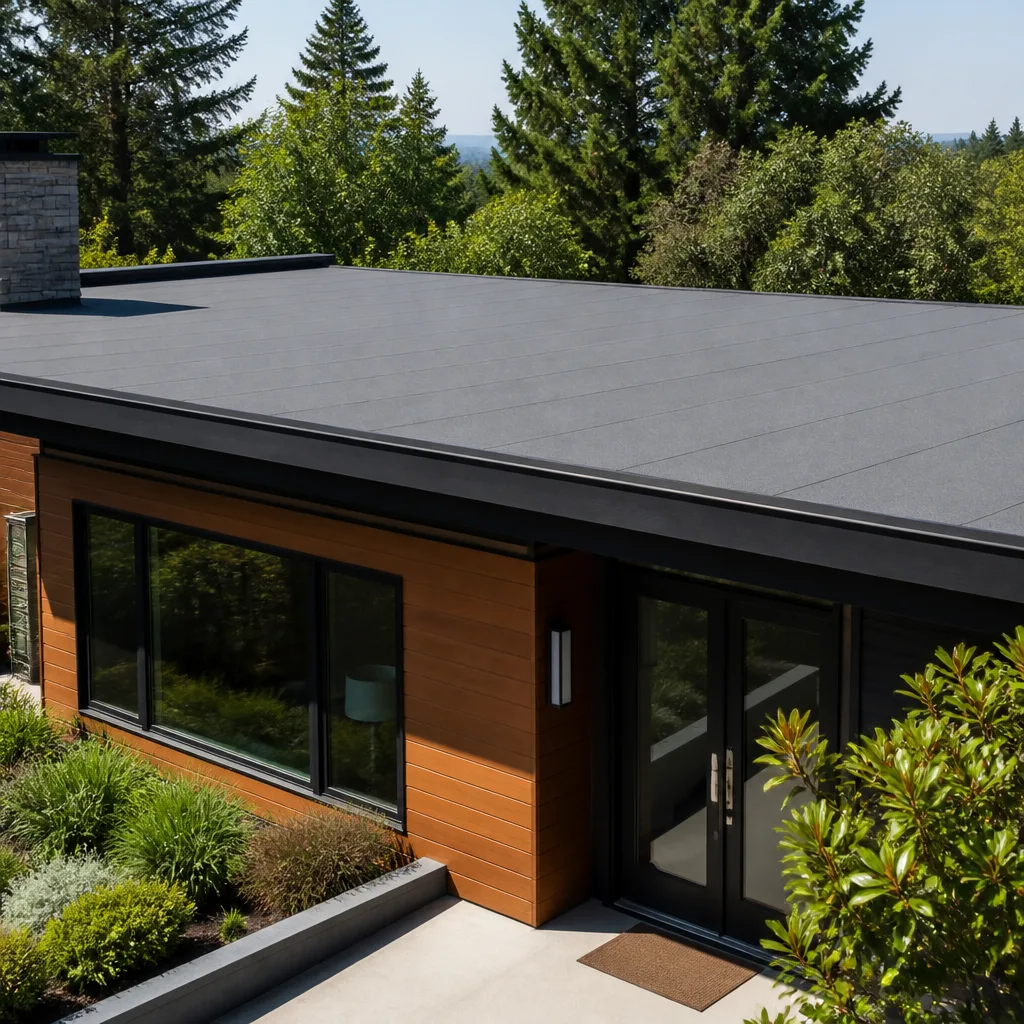 Flat & low-slope
Free roof inspection with deck photos before we talk money - GAF and Owens Corning certified installation
The Complete Guide to Roofing in Moreno Valley
Moreno Valley recorded triple-digit temperatures in more than half the summers this past decade. That is not a weather footnote. It is a thermal stress load that degrades a shingle rated for “Southern California” in ways the manufacturer’s warranty language conveniently sidesteps. This guide explains what actually happens to roofs in Moreno Valley, which materials hold up under Inland Empire conditions, and how to make a repair or replacement decision you will not regret in seven years. For a deeper dive, see The Complete Roof Repair Guide for Moreno Valley Homeowners. If you own a home here, this is the roofing education you should have received at closing.
Quick Answer
Roofing in Moreno Valley is dominated by three forces: UV exposure that averages higher than coastal California, Santa Ana wind events that test fastening and edge details, and a housing stock built largely during the 1980s and 1990s boom that is now hitting its second-roof cycle all at once. The practical takeaway: material choice matters less than material-to-climate matching, and an inspection before any repair or replacement quote is the single smartest first step. Most Moreno Valley homes will need either a repair to extend the current roof, or a full replacement with a product selected for thermal cycling resistance rather than curb appeal alone.
Styles & brands we work with
Table of Contents
- The Climate Reality: What Moreno Valley Does to a Roof
- The 1980s – 90s Boom Era: What Your Home’s Construction Profile Means
- Material Comparison: Which Products Hold Up in Moreno Valley
- Why Inspection Comes First: The Repair vs. Replace Decision
- Repair-First vs. Replace-First: How to Identify the Contractor Mindset
- Permits and HOAs: Riverside County Rules in Moreno Valley
- Cost and Timeline: What to Expect in Moreno Valley
- Common Mistakes to Avoid
The Climate Reality: What Moreno Valley Does to a Roof
Moreno Valley sits in the San Bernardino Valley, far enough inland that the marine layer burns off early and the UV index runs high from May through October. That matters because asphalt shingles fail by losing granules, and granule loss is driven by UV exposure and thermal cycling, not by rain. A shingle on a Moreno Valley roof heats to 150°F or more on a July afternoon, then cools 60 to 70 degrees overnight. That expansion and contraction cycle repeats roughly 200 times per summer. Over a decade, that is 2,000 thermal cycles. That is the number that kills shingles, not the occasional rainstorm.
We have inspected roofs in neighborhoods like Sunnymead Ranch and Rancho Belago where a 12-year-old architectural shingle looks 25 years old. The south-facing and west-facing slopes always fail first. The north slope, which gets far less direct sun, often looks nearly new. This is the clearest evidence that thermal stress, not moisture, is the primary aging mechanism in this city. When a manufacturer rates a shingle for “lifetime” performance, that rating assumes a temperature profile that Moreno Valley exceeds in most years.
Santa Ana wind events add a second failure mode. Wind-driven debris and sustained gusts above 40 mph find every weak nail line, every underdriven fastener, every seal strip that thermally degraded and released. The wind itself rarely tears off a properly installed roof. What it does is exploit the weaknesses that thermal cycling created. That is why fastening standards and install quality matter more in Moreno Valley than in a coastal market where the roof never sees these temperature swings.
What Actually Fails First
- Granule loss on south and west exposures. You will see this as bald patches or visible granule material in gutters. Once granules are gone, the asphalt layer beneath is exposed directly to UV and degrades quickly.
- Seal strip release. The adhesive strip that bonds overlapping shingle courses has a temperature tolerance. Repeated thermal cycling weakens it. When Santa Ana winds arrive, unsealed shingles lift and tear.
- Nail line fatigue. The shingle material around nails becomes brittle with heat exposure. The nail head is still there, but the shingle around it has lost flexibility, making it vulnerable to wind tear-off.
- Pipe flashing and vent boot gaskets. Rubber components deteriorate faster in high heat. A roof that is structurally fine can leak because a $15 pipe boot gasket split open.
Understanding this failure pattern changes how you should evaluate any roofing proposal. The material matters, but the installation standards and the climate-specific details matter more. A premium shingle installed with sloppy fastening will fail faster than a mid-range shingle installed correctly. We say that from experience, not from a brochure.
The 1980s – 90s Boom Era: What Your Home’s Construction Profile Means
Moreno Valley grew explosively between 1984 and 1994. Entire communities were framed out in months, and roofing crews worked through thousands of homes using the same materials and the same techniques. Today, those homes are hitting the end of their second roof cycle, and the original construction choices are directly relevant to what happens next.
The typical roof at the time was 3-tab asphalt shingle over 15-pound felt underlayment over plywood decking, on a truss system designed for a 20-pound-per-square-foot live load. The shingles were often installed direct-to-deck without a modern synthetic underlayment. That was code-compliant at the time and worked acceptably in the first decade. But it creates specific issues when a replacement is planned now.
The most common finding in our inspections of original-roof Moreno Valley homes is deck movement. Plywood expands and contracts with heat and moisture. Over 30 years, nails back out slightly. Joints shift. A new shingle roof installed over that deck without re-nailing and repair will telegraph the deck defects through the finished product. Some contractors will offer to install over the existing roof. That is legal in California for one re-roof overlay in some cases, but we rarely recommend it on boom-era homes because the deck beneath is already showing its age.
Underlayment is a second consideration. The original 15-pound felt has often deteriorated to the point where it offers little secondary water protection. Modern synthetic underlayments are lighter, stronger, and provide better secondary protection. If you are replacing a roof on a boom-era home, upgrading the underlayment is a small cost relative to the total project and a significant performance improvement.
Specific Considerations for Moreno Valley Homes Built 1984-1995
- Deck inspection is mandatory. Do not accept a quote that skips this step. The deck is the foundation of the roof system. On a 30-year-old home, it will need work.
- The original shingles were often 3-tab. Upgrading to architectural shingles increases both lifespan and wind resistance. The additional cost is modest relative to the improvement.
- Attic ventilation was minimal by today’s standards. Many of these homes have soffit vents but lacked balanced intake and exhaust. Poor ventilation increases attic temperatures, which accelerates shingle aging from the underside.
- Roof pitch varies by tract. Some communities used very low slopes. Below a certain pitch, shingles are not an appropriate material, and the original installation may have been marginal from day one.
If you are in a home from this era and your roof is still original or on its first replacement, you are making a decision that will shape the next 20 to 30 years. This is where the brand-agnostic approach matters. The right recommendation for your home depends on what the inspection finds, not on what a contractor is pushing this quarter. That is why a roof inspection in Moreno Valley should come before any replacement discussion.
Material Comparison: Which Products Hold Up in Moreno Valley
The material question in Moreno Valley is not “what is the best shingle?” It is “which product’s strengths align with our specific failure modes?” Our failure modes are UV-driven granule loss, thermal cycling fatigue, and occasional wind event stress. Different manufacturers address those problems in different ways, and some are more relevant to this climate than others.
We are authorized to install products from seven major manufacturers: GAF, CertainTeed, Owens Corning, IKO, Atlas, Tamko, and Boral. That breadth matters because it means we have no reason to steer you toward a brand that is not the right fit. A single-brand contractor has to sell you the product they carry. We can recommend based on what your roof actually demands.
For Moreno Valley conditions, we find that premium architectural shingles from GAF and CertainTeed perform consistently well. These products use higher-density asphalt bases and more robust granule embedding, which directly resists the UV and thermal cycling issues that plague entry-level products here. A GAF Timberline or CertainTeed Landmark will typically outlast a standard 3-tab or entry-level architectural shingle by a wide margin in this specific climate. The price difference is real, but the lifespan difference in Moreno Valley is larger than the manufacturer markets would suggest.
Mid-range products from Atlas and Tamko can be a good fit for budget-conscious homeowners. The key is understanding that a mid-range architectural shingle installed correctly over a repaired deck with good underlayment will perform better than a premium product installed over a compromised deck. The material is one variable in a system. We have seen 20-year-old Tamko roofs in Moreno Valley that are in better shape than 10-year-old premium roofs where the underlying deck and underlayment were never addressed.
Boral is a different conversation. Boral offers tile and stone-coated steel products that are fundamentally different from asphalt shingles. If you want a roof with a 50-year lifespan and a different aesthetic, these products are worth evaluating. They are more expensive upfront and they require a competent installer with specific product training. But in a high-UV, high-thermal-stress environment like Moreno Valley, they can be a lifetime roof decision instead of a 20-year decision.
What to Consider When Choosing Material
- How long do you plan to stay in the home? Under 10 years, a mid-range architectural shingle is often the right financial decision. Over 20 years, premium shingles or Boral products earn their cost.
- What is the roof pitch and orientation? Steep roofs with large south-facing exposures require better UV resistance. The same product performs differently on different roof geometries.
- What does the HOA allow? Many Moreno Valley master-planned communities have material requirements. We cover this in the permits and HOA section below.
- What is your tolerance for maintenance? Tile roofs need periodic inspection and re-setting after seismic events. Asphalt needs less day-to-day attention but replaces sooner.
Our recommendation process starts with these questions, then matches product to answer. That is the honest approach. Seven leading brands, one straightforward recommendation: the product that fits your situation, not the one we are incentivized to sell.
Why Inspection Comes First: The Repair vs. Replace Decision
Before you spend a dollar on repair or replacement, you should know what your roof actually needs. That sounds obvious, but the roofing industry does not always make it easy. Many contractors will offer a free inspection as a sales tool, which means the inspection is engineered to find a reason to sell you a new roof. A standalone inspection, priced as a service with no obligation, changes the dynamic.
At Moreno Valley Roof Repair, a roof inspection is a service we sell on its own. You pay for it, you get the report, and you decide what to do with it. We do not use it as a wedge to push replacement. The economics of that position work for us because we perform repairs and replacements, so we are comfortable telling you the truth. If it needs repair, we say so. If it needs replacement, we say so. We are not losing money either way.
What a Proper Inspection Covers
- Surface assessment. Granule loss, cracking, blistering, and shingle displacement. We evaluate each slope separately because sun exposure varies dramatically.
- Flashing inspection. Chimneys, pipe penetrations, valleys, walls, and skylights. Flashing is a common leak point and often repair-able without replacing the roof.
- Deck evaluation from the attic side. Water stains, delamination, sagging between trusses, and nail pops. We look at the underside because the top surface hides things.
- Ventilation check. Intake and exhaust balance. This is an under-appreciated factor in shingle lifespan in a hot climate.
- Past installation quality review. Nail patterns, fastening depth, seal strip engagement. We can often tell whether the original installation was done well or rushed.
The output is a documented assessment with photos. You should receive a written document, not a verbal summary. If a contractor will not provide a written inspection report, walk away. The report is your leverage when making a decision and your defense if you sell the home later.
In our inspections across Moreno Valley, we regularly find roofs that are 70% worn with one or two isolated leaks. That is a repair situation now and a replacement situation in 3 to 5 years. The honest guidance is repair now, plan for replacement. Other roofs are 90% worn with structural issues, and repair would be throwing money away. The only way to know which category you are in is a real inspection.
Repair-First vs. Replace-First: How to Identify the Contractor Mindset
Before you sign anything, you should understand which kind of contractor you are talking to. A repair-first contractor recommends repair when repair is viable and only recommends replacement when the roof is genuinely spent. A replace-first contractor recommends replacement because that is how the business model works. Both can be legitimate businesses. The problem is when the homeowner does not realize which one they are dealing with.
Some warning signs of a replace-first mindset: a quote that arrives without a detailed inspection, pressure to sign before you have time to think, a refusal to provide repair options alongside the replacement recommendation, and language that leans on fear rather than facts. A roof that is aging but functional can often be extended with targeted repairs. A contractor who will not discuss that option is not giving you the full picture.
Some warning signs of a repair-first mindset done poorly: a contractor who patches everything indefinitely without telling you that the underlying deck is failing, or who repeatedly returns for small repairs that would have been cheaper as one replacement. Repair-first done wrong is just as bad as replace-first. The honest position is repair when repair makes sense, replace when it does not.
At Moreno Valley Roof Repair, we are comfortable with both outcomes because we offer both services. If you call us for roof repair in Moreno Valley, we will fix the problem and document what we found. If the roof is at end of life, we will tell you that and provide a roof replacement in Moreno Valley quote. The service we recommend is the one your roof actually needs. That is the entire value proposition.
Questions to Ask Any Contractor Before Signing
- “Will you show me photos of the damage and explain what each photo shows?” A contractor who will not do this is hiding something.
- “Is repair an option here, or is this roof past that point?” Their answer tells you their mindset.
- “What would you recommend if this were your own home?” This question is simple but revealing.
- “Can I see the written inspection report?” If there is no written report, there was no real inspection.
- “Which materials do you recommend, and why is that the right product for my specific roof?” A single-brand contractor will struggle here.
Permits and HOAs: Riverside County Rules in Moreno Valley
Any roof replacement in Moreno Valley requires a building permit from Riverside County. The permit process is not particularly complicated for a standard re-roof, but it is mandatory. A contractor who offers to replace your roof without a permit is offering to create a liability problem for you when you sell the home. The permit triggers an inspection, and the inspection is your protection that the work was done to code.
Riverside County code requires that re-roofing work comply with current standards for fastening, underlayment, and fire resistance. California’s Building Energy Code also applies to roofing projects in certain circumstances, particularly if you are adding insulation or making structural changes. A competent roofing contractor handles this paperwork as part of the project. You should not have to think about it, but you should confirm it is happening.
HOAs add a second layer in many Moreno Valley communities. Master-planned developments like Sunnymead Ranch, Moreno Valley Ranch, and others have architectural review committees that must approve the roofing material and color before work begins. Some HOAs require specific products from specific manufacturers. Some have approved color palettes. Some prohibit certain materials entirely. If you are in an HOA, the approval needs to happen before the roof goes on, not after. A homeowner who skips this step can be required to re-roof at their own expense to comply with the HOA standards.
We see this issue regularly. The homeowner signs with a contractor who does not ask about HOA requirements. The roof goes up. The HOA sends a violation notice. The homeowner spends thousands to correct a problem that a 10-minute check would have prevented. Before you commit to any roofing project in Moreno Valley, check your HOA documents or call the community management office.
Permit and HOA Checklist for Moreno Valley Homeowners
- Confirm the contractor will pull the Riverside County permit. This should be in the contract, not a verbal promise.
- Check your HOA CC&Rs for roofing provisions. Look for material restrictions, color requirements, and approval procedures.
- Submit the HOA application before scheduling installation. Approval can take 30 days in some communities.
- Verify that the final inspection will be scheduled after the roof is complete. The permit is not closed until the inspector signs off.
Cost and Timeline: What to Expect in Moreno Valley
Roofing costs in Moreno Valley vary with the size of the roof, the pitch, the material selected, and the condition of the deck. Rather than give you a single number that would be misleading, we will give you ranges based on what we see in this market. These are ballpark figures for planning purposes, not quotes.
For a standard asphalt shingle replacement on a typical Moreno Valley home from the 1980s or 1990s, most homeowners should expect to spend between $14,000 and $28,000 depending on the material tier and the amount of deck work required. A mid-range architectural shingle from Atlas or Tamko lands on the lower end of that range. A premium product from GAF or CertainTeed lands in the middle to upper end. A Boral tile or stone-coated steel roof is a different category, typically starting above $30,000 for a standard home.
Repairs are far less expensive, but the cost depends entirely on the scope. A simple flashing repair or pipe boot replacement might be $350 to $800. A valley rebuild or partial deck replacement might run $1,500 to $4,000. A repair that addresses several small issues at once is typically more cost-effective than scheduling each one separately, because the mobilization cost is shared.
Cost Factors That Move the Number
- Roof geometry. Steep pitches and complex rooflines slow the crew and increase material waste. A simple ranch covers faster.
- Deck condition. If the deck needs significant repair, that is a separate cost added to the replacement.
- Layers to remove. California allows limited re-roof overlays, but most Moreno Valley replacements involve tear-off. Tear-off adds labor and disposal fees.
- Material tier. The difference between a mid-range and premium asphalt shingle can be $3,000 to $6,000 on a typical home.
- Timing. Summer demand is high. Fall and early winter tend to be slower, but Santa Ana season can delay scheduling.
A full replacement on a standard home takes 3 to 7 days from tear-off to final inspection, depending on crew size and weather. Repairs typically complete in a day. If a contractor quotes a faster timeline than that for a full replacement, ask how they are cutting corners. A re-roof requires time for each layer to be done properly.
Common Mistakes to Avoid
- Choosing material based on warranty alone. Warranty language is written by lawyers and tempered by prorating schedules. A “lifetime” warranty on a product rated for temperate climates may not perform as expected in Moreno Valley. Choose material based on climate-specific performance, not marketing.
- Skipping the deck inspection. On boom-era Moreno Valley homes, the deck is frequently in worse shape than the shingles. Installing new shingles over a failing deck is money wasted. Insist on a deck assessment before committing.
- Ignoring the HOA. Moreno Valley has dozens of communities with architectural review boards. Installing an unapproved material or color can cost you a second roof. Check before you sign.
- Accepting a quote without a written inspection report. If the contractor cannot show you photos and explain what they found, they did not actually inspect. You are buying a guess.
- Replacing when repair would extend life. A roof with 5 years of life left and one leak is often better served by a $1,000 repair than a $20,000 replacement. An honest contractor will tell you which situation you are in.
- Repairing when replacement is overdue. The inverse mistake. A roof with pervasive granule loss, failing deck sections, and recurring leaks will cost more in piecemeal repairs than a single replacement. The math matters.
- Choosing a contractor based on price quote alone. Roofing is not a commodity. Two quotes at the same price can produce wildly different results depending on deck preparation, underlayment choice, and fastening quality. Understand what you are paying for, not just what you are paying.
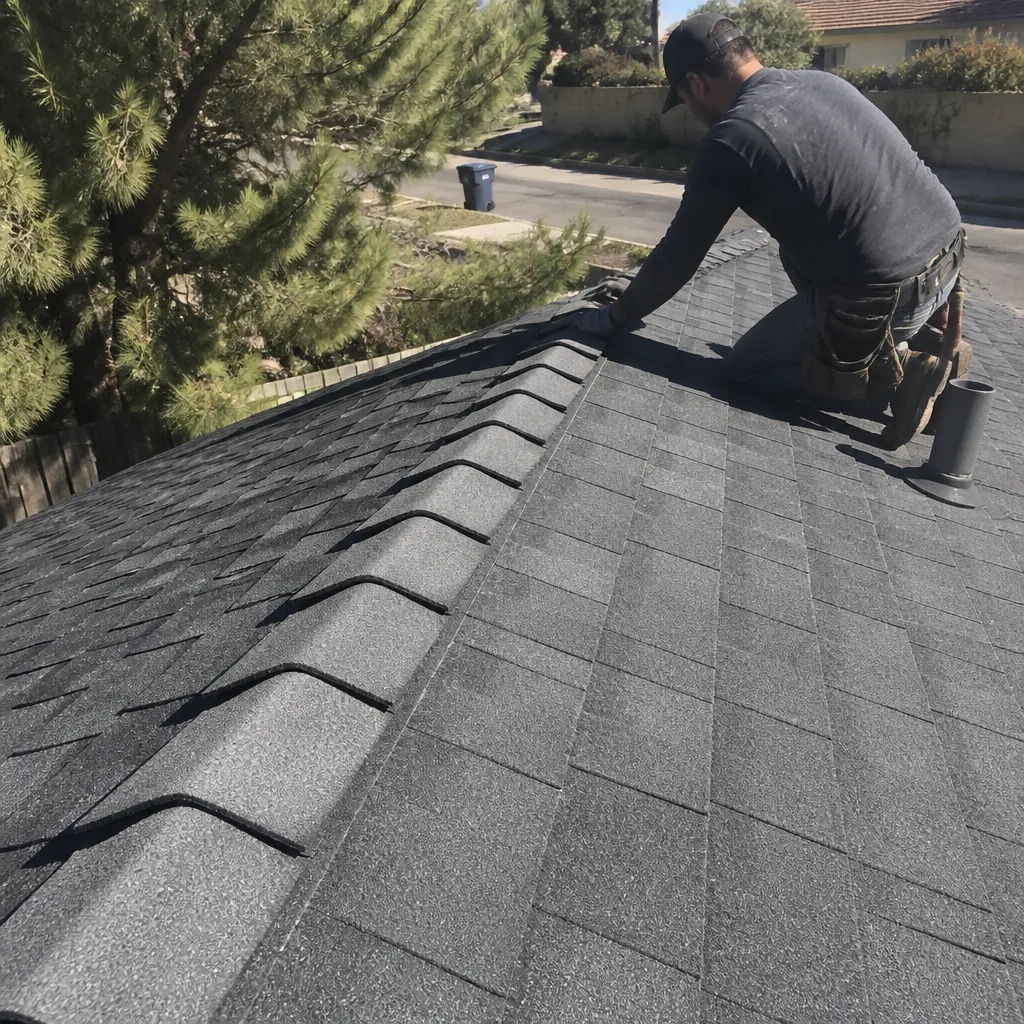
See the difference
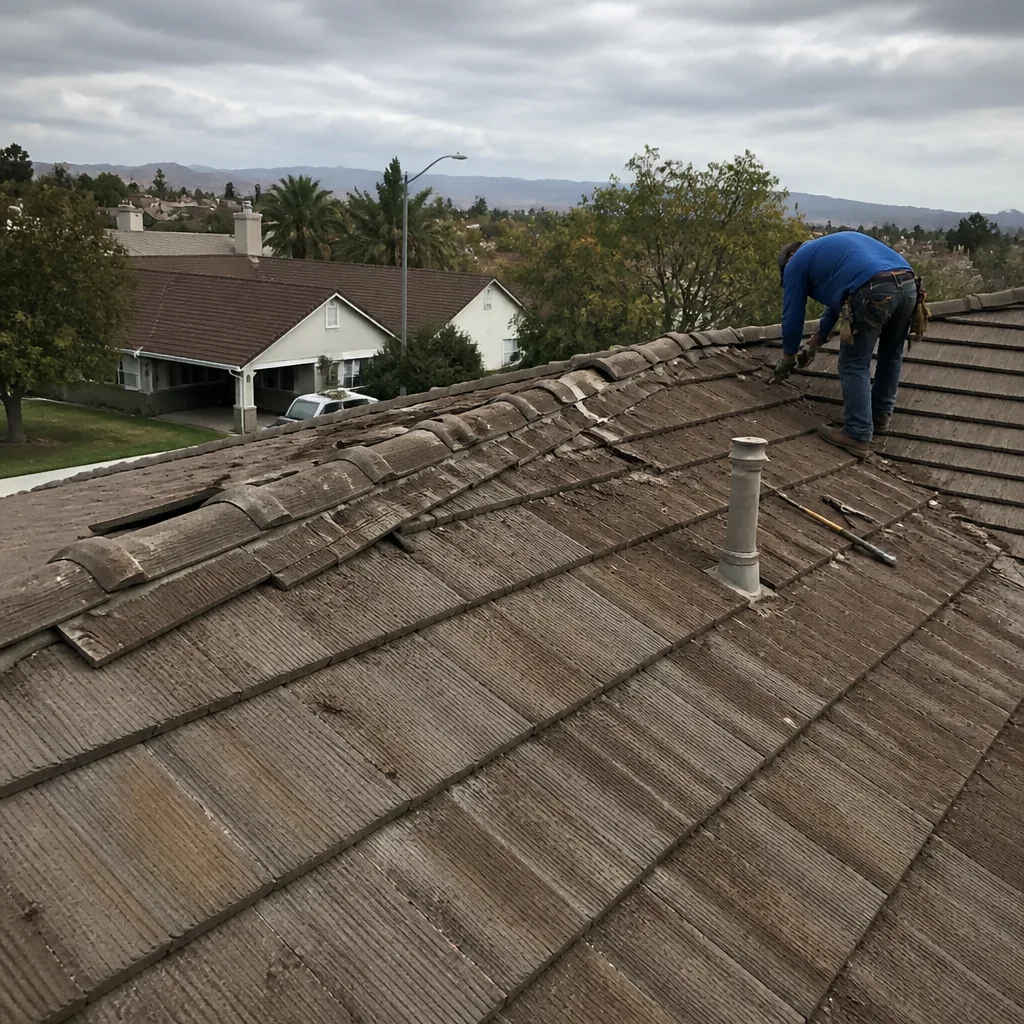 Before
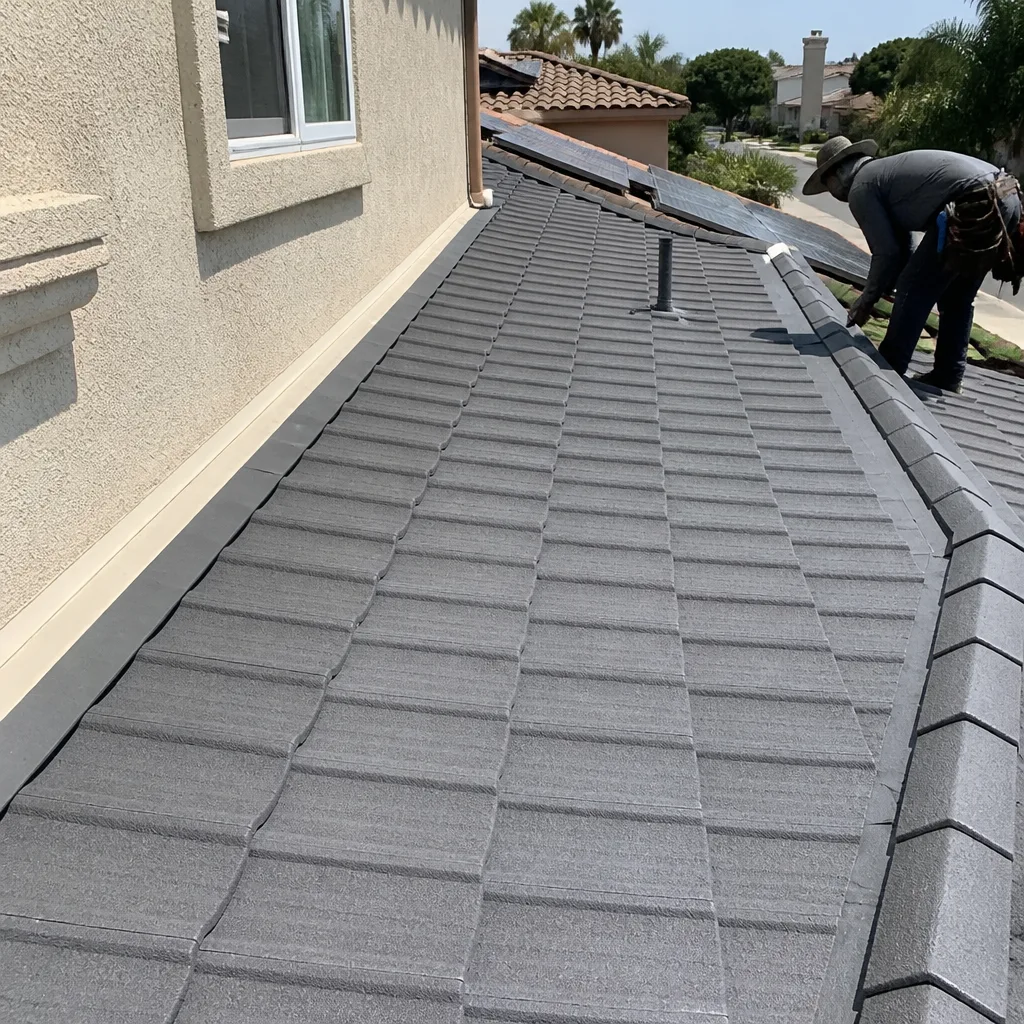 After
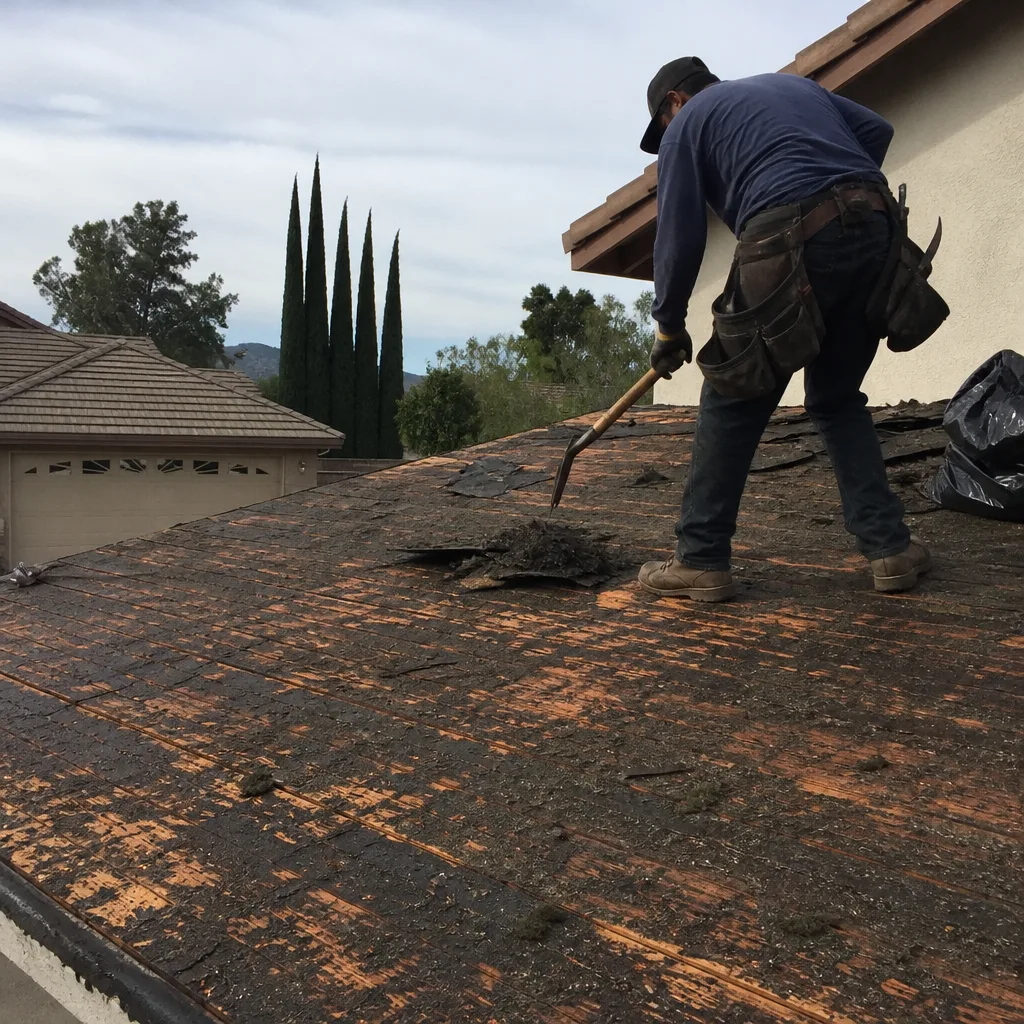 Before
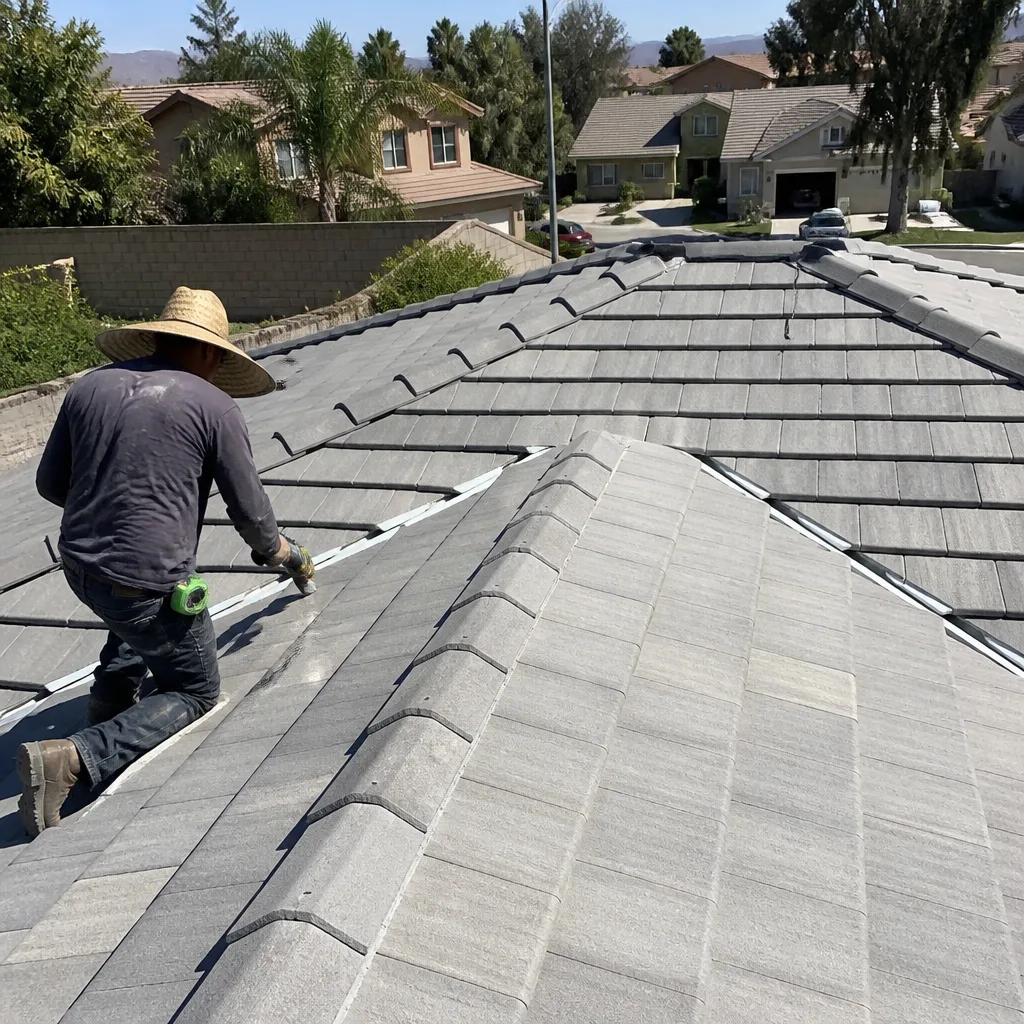 After
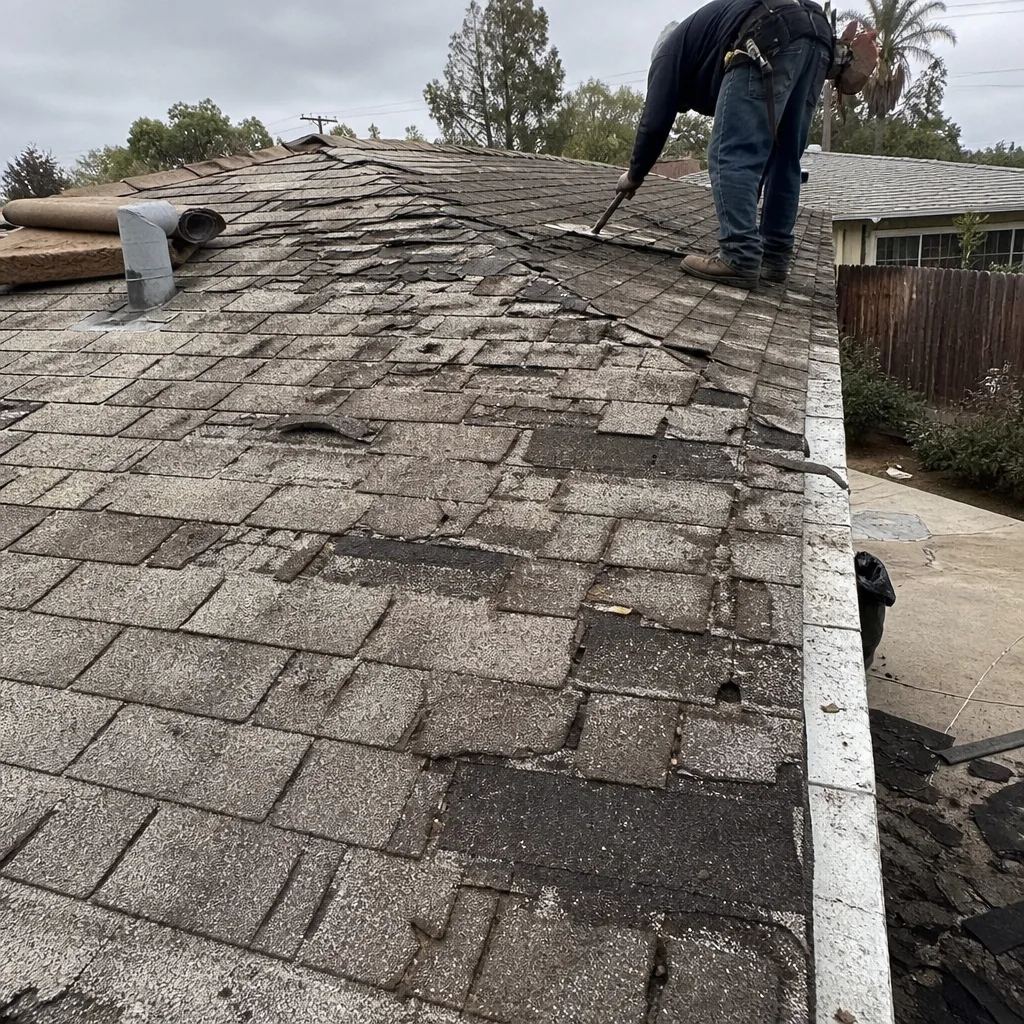 Before
 After
When to Call a Professional
You should call a roofing professional when you see water stains on ceilings or walls, when you notice granules accumulating in gutters, when shingles are visibly cracked or curling, when you find shingle pieces in the yard after a wind event, or when you are buying or selling a home and need a documented roof condition. You should also call after any significant Santa Ana event, even if you do not see visible damage, because wind can break seal strips and displace flashing without leaving obvious evidence from the ground. If you are unsure whether a problem is serious, err on the side of calling. A small flashing leak left alone becomes a deck replacement. Moreno Valley Roof Repair offers free estimates in Moreno Valley, including inspection-backed assessments. Call (866) 217-3967 to schedule.
Frequently Asked Questions
A roof replacement in Moreno Valley typically costs between $14,000 and $28,000 for an asphalt shingle roof on a standard home, depending on material tier, roof geometry, and deck condition. Premium products from GAF or CertainTeed run higher than mid-range products from Atlas or Tamko. Tile or stone-coated steel from Boral can exceed $30,000. Call (866) 217-3967 for an exact quote, estimates are free.
In Moreno Valley’s high-UV, high-thermal-cycling climate, a 3-tab asphalt shingle typically lasts 12 to 18 years, a mid-range architectural shingle 18 to 25 years, and a premium architectural shingle 25 to 35 years. These numbers assume proper installation and adequate ventilation, which we frequently find are not present on 1980s and 1990s boom-era homes. A Boral tile or stone-coated steel roof can last 50 years or more in this climate.
Yes. Riverside County requires a building permit for any full roof replacement. The permit triggers an inspection that verifies the work meets current code standards. A contractor who offers to replace your roof without a permit is creating a liability issue for you at resale. Confirm permit handling is written into the contract.
In many cases, yes. If your roof has localized damage such as flashing failure, pipe boot gasket deterioration, or isolated shingle displacement, a targeted repair can extend the roof’s life by years. Repair makes sense when the roof is otherwise sound. Replacement makes sense when granule loss is pervasive, the deck is compromised, or the roof is past 80% of its expected lifespan. The only way to know which situation you are in is a proper inspection.
Premium architectural shingles from GAF and CertainTeed, with their higher-density asphalt bases and better granule embedding, consistently perform better in Moreno Valley’s high-UV environment than entry-level products. Mid-range architectural shingles from Atlas and Tamko are a solid budget option. For homeowners planning to stay long-term, Boral tile or stone-coated steel products offer the longest lifespan and best thermal performance. The right material for your roof is not the most expensive one, it is the one matched to your home and your timeline.
An honest contractor provides a written inspection report with photos, discusses repair options when repair is viable, explains material choices in terms of your climate and budget rather than brand loyalty, and handles permits and HOA compliance without being asked. For more guides & resources on protecting your home, visit our blog. If a contractor pressures you to sign before you have time to think, refuses to show documentation, or will not discuss repair as an option, you are dealing with a salesperson, not a roofer. Call (866) 217-3967 if you want a straight assessment.
The Bottom Line
Roofing in Moreno Valley is a climate-specific challenge. The combination of high UV exposure, thermal cycling, and occasional Santa Ana wind events means material selection and installation quality matter more here than in most California markets. The homes built during the 1980s and 1990s boom are now aging into their second roof cycle, which means many homeowners in this city are making this decision right now. The smart path is inspection first, material matching second, and contractor selection third. Moreno Valley Roof Repair offers all three services, with materials from seven major manufacturers, and no requirement that you buy anything after the inspection. That is the whole pitch. Know what your roof actually needs before spending a dollar on repair or replacement.
Moreno Valley Roof Repair home is your starting point for honest, inspection-backed roofing guidance in Moreno Valley. Whether you need a targeted repair, a full replacement, or just a documented assessment of where your roof stands, a single call covers it all.
Written by the team at Moreno Valley Roof Repair, serving Moreno Valley since 2013.