
Last updated October 30, 2026
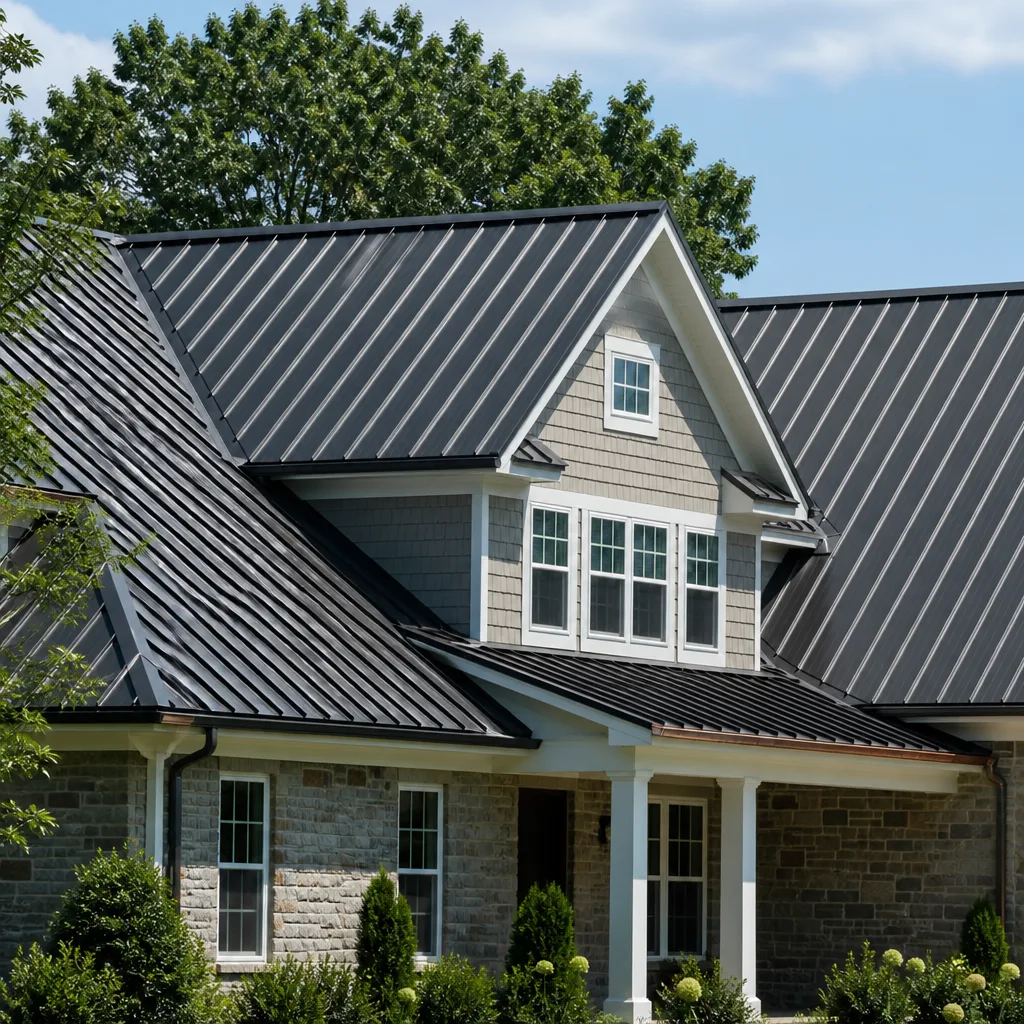 Metal roofing
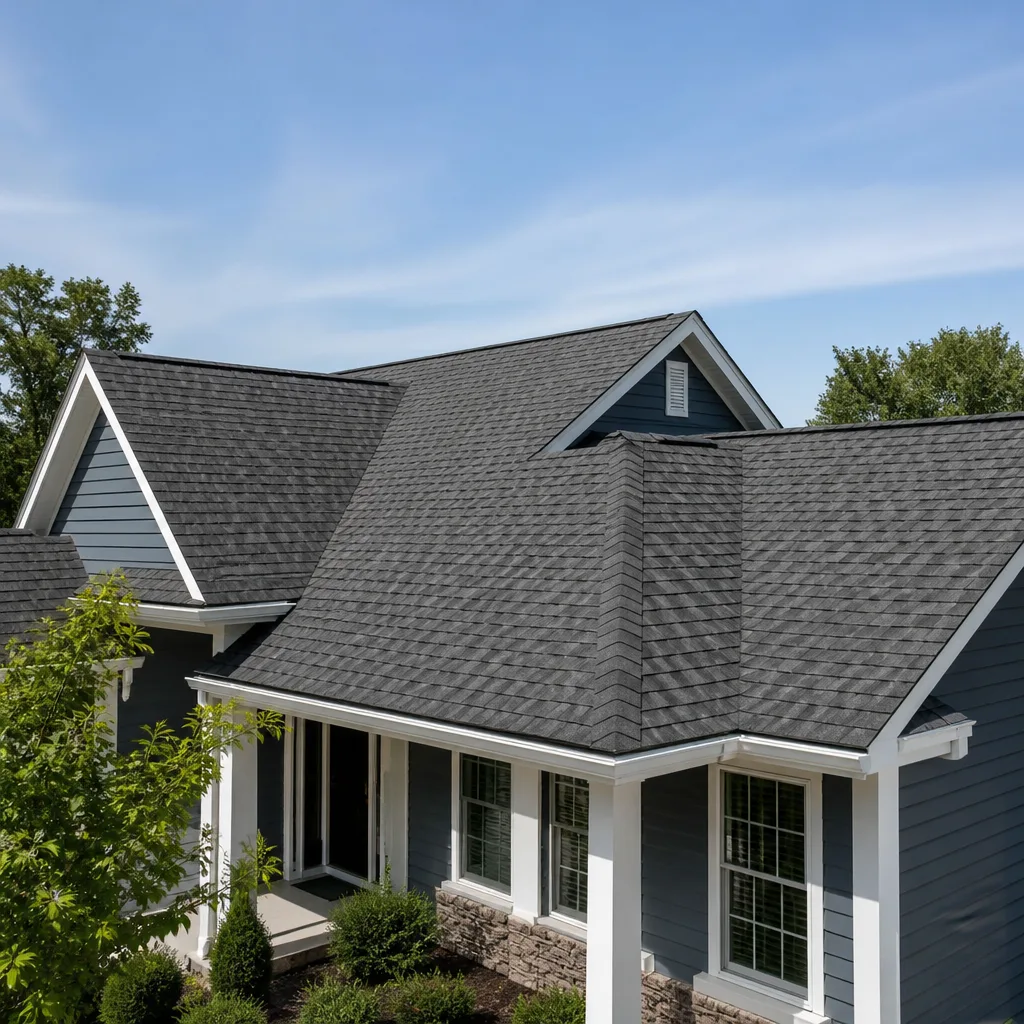 Architectural shingles
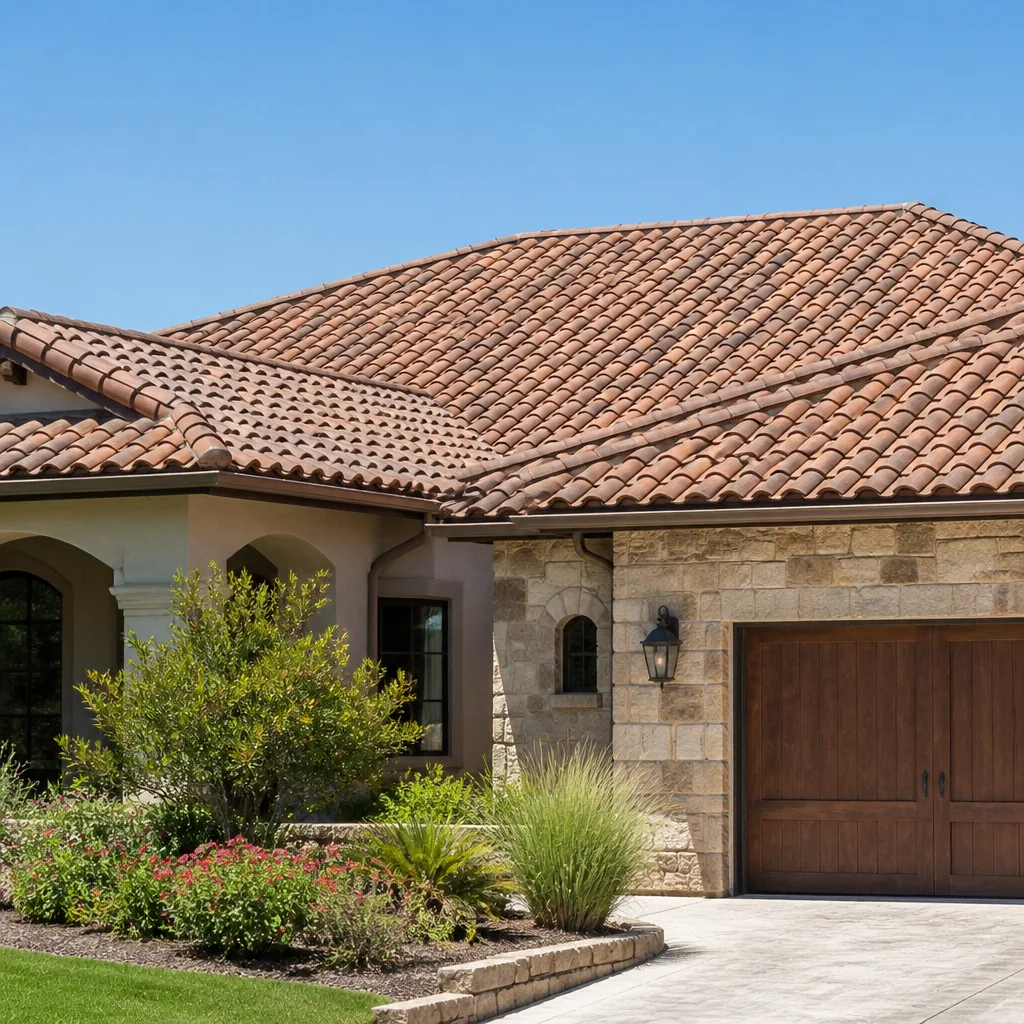 Tile roofing
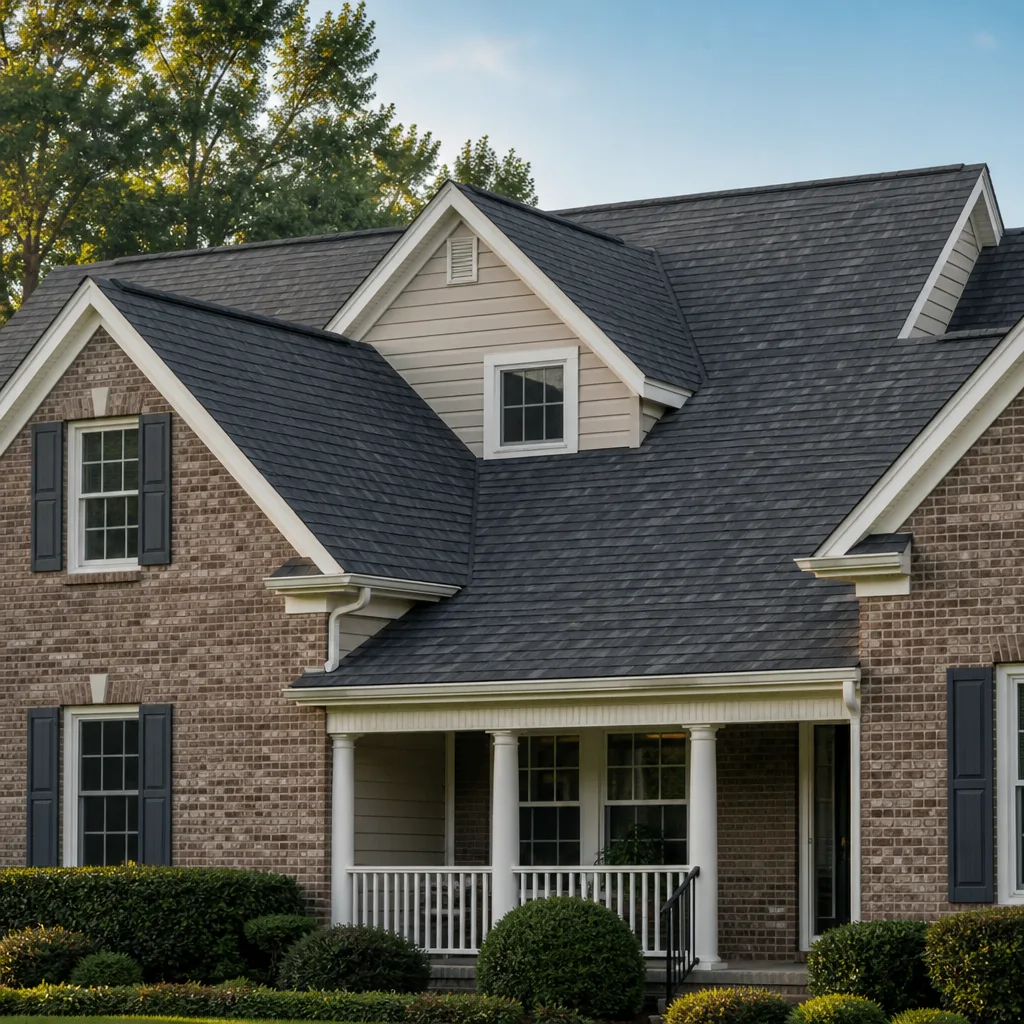 GAF
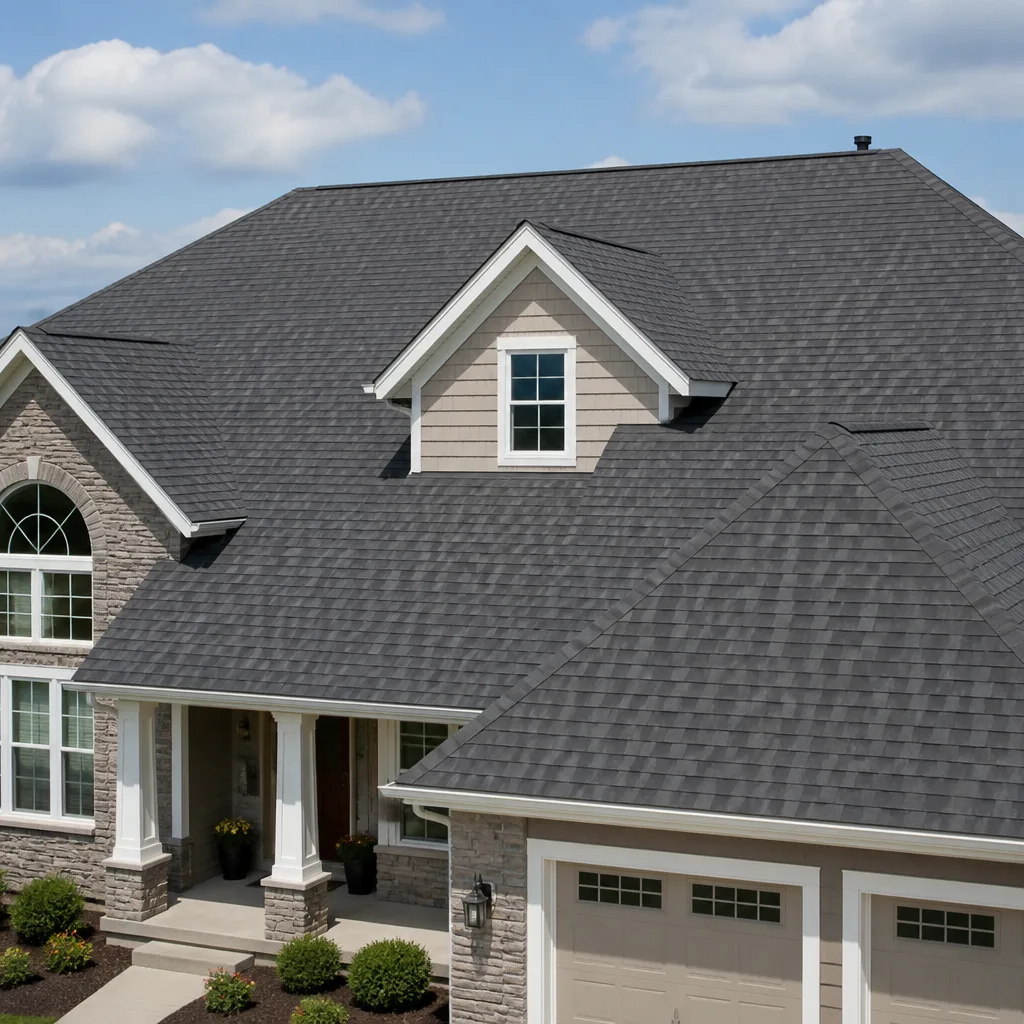 Owens Corning
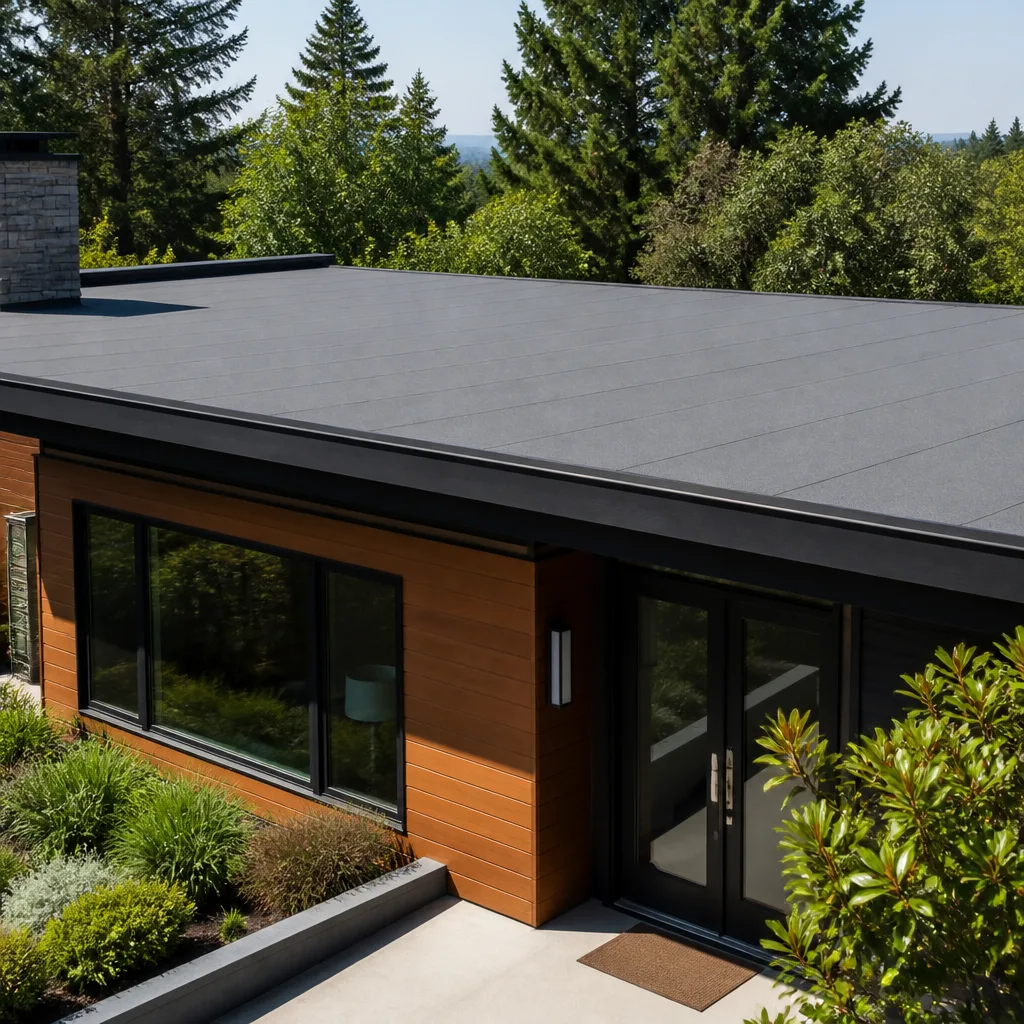 Flat & low-slope
Free roof inspection with deck photos before we talk money - GAF and Owens Corning certified installation
How to Hire a Roofing Contractor in Moreno Valley: A Step-by-Step Guide
California has more than 40,000 licensed roofing contractors. That number should scare you a little. Not because there aren’t good roofers out there, but because a license tells you one thing: someone passed a test. It doesn’t tell you they’ll show up with the crew they promised, use the underlayment they quoted, or stand behind their flashing work when the first Santa Ana wind event rolls through Moreno Valley. Most homeowners don’t get burned because they skipped the license check. They get burned because they didn’t know how to read a bid, didn’t recognize an evasive answer, and didn’t structure the payment schedule to protect themselves. This guide gives you the specific questions to ask, the red-flag responses to listen for, and the line items to scrutinize. By the end, you’ll know more about hiring a roofer than most sales reps know about their own estimates. The Moreno Valley Roof Repair home page has more on our approach, but first, let’s make sure you hire right, whether it’s us or someone else.
Quick Answer
To hire a roofing contractor in Moreno Valley, verify the contractor’s CSLB C-39 license online, require a written estimate with itemized line items for underlayment, disposal, and flashing, and request a payment schedule where no more than 10% is due upfront. Then ask the three questions in our Roof Repair Troubleshooting: Common Problems and How to Fix Them that expose vague bids: what underlayment spec are you quoting, are you reusing or replacing the flashing, and is disposal included in writing. A complete answer to all three, plus a detailed scope of work, is the strongest signal you’re dealing with a real roofer and not a middleman.
Styles & brands we work with
Table of Contents
- Step 1: Verify the CSLB License in Under Two Minutes
- Step 2: Learn to Read a Bid Like an Estimator, Not a Buyer
- Step 3: The Three Line Items Most Contractors Hide Markup In
- Step 4: The Three Questions That Expose a Vague Bid
- Step 5: Santa Ana Wind Event Red Flags and Storm-Chaser Language
- Step 6: Structure a Payment Schedule That Protects You
- Common Mistakes to Avoid
- When to Call a Professional
- Frequently Asked Questions
- The Bottom Line
Step 1: Verify the CSLB License in Under Two Minutes
Before you shake hands with any roofer in Moreno Valley, you need to confirm they hold a C-39 roofing license from the California Contractors State License Board. The C-39 classification is specific. A general contractor with a B license can legally take on roofing as part of a larger project, but a C-39 means the contractor has demonstrated roofing-specific knowledge and carries the appropriate bond and workers’ compensation coverage for roofing crews. That distinction matters. Roofing is one of the highest-injury trades in California, and if a worker gets hurt on your property and the contractor lacks proper coverage, the liability can roll downhill to you.
Here’s the two-minute verification process:
- Go to the CSLB website and click “Check a License.”
- Enter the contractor’s name or license number. Ask for the number directly, don’t just take the company name.
- Confirm the status says “Active” and the classification includes C-39. A suspended or expired license is a hard stop.
- Check the workers’ comp insurance field. If it says “None,” that’s a red flag for any roofing project.
- Scroll to the bottom and look at the license history. Any disciplinary actions, suspensions, or multiple name changes are worth asking about directly.
This takes less time than scrolling through a text thread, and it saves more money than any negotiation tactic in this guide. A contractor who hesitates to give you their license number isn’t just being difficult. They’re telling you something about how they operate.
Key Takeaways
- A C-39 license is roofing-specific. A general B license is not the same thing.
- Always check the CSLB website yourself. Never rely on a license number printed on a business card.
- Disciplinary history is public record. Read it before you sign anything.
- Workers’ comp coverage is non-negotiable. If a roofer doesn’t carry it, their problem becomes your problem.
Step 2: Learn to Read a Bid Like an Estimator, Not a Buyer
Most homeowners collect three bids and compare the bottom-line number. Here’s the problem with that approach: the bottom-line number is the easiest thing for a contractor to manipulate. A low bid isn’t a bargain if it means reused flashing, a thinner underlayment, and a disposal fee that magically appears on the final invoice. A high bid isn’t a rip-off if it includes a full tear-off, new flashing at every penetration, and upgraded underlayment spec’d for a Southern California climate. The trick isn’t getting three bids. It’s knowing how to read one.
A complete scope of work reads like a recipe. It lists every material, every layer, every step, and every responsibility. A vague one reads like a wish. Here’s what a complete roofing scope of work in Moreno Valley should include:
- Tear-off plan: How many layers of existing roofing will be removed? Some Moreno Valley homes built in the 1980s and 1990s still have the original roof plus a re-cover on top. Layering on another roof without a tear-off is legal in some cases but shortens system life and hides decking rot.
- Underlayment spec: What brand and grade? Synthetic or felt? What weight or thickness? In Moreno Valley, where summer heat pushes attic temperatures past 140 degrees, a lightweight felt underlayment degrades faster than a synthetic with a higher tear rating. This should be named, not implied.
- Decking replacement provision: What happens if the crew finds rotted plywood or OSB? A good bid includes a per-sheet price for replacement, typically in the $75 to $110 range for materials and labor. A vague bid says “decking repair as needed,” which means you’ll be negotiating from a weak position when the roof is already off.
- Flashing plan: Which penetrations get new flashing? The chimney? The pipes? The HVAC vents? Reusing old flashing on a new roof is the roofing equivalent of putting old brake pads on a new car. It’s done, and it’s wrong.
- Ventilation specification: How will the attic breathe? Ridge vent? Box vents? If the bid doesn’t mention ventilation at all, the contractor isn’t thinking about your roof as a system.
- Disposal and site protection: Who hauls the old shingles and nails? Who magnets the yard afterward? This should be a line item, not a promise.
- Warranty terms: What’s the workmanship warranty in years? What does the manufacturer warranty cover, and what voids it? In Moreno Valley, improper ventilation voids more manufacturer shingle warranties than any other single factor.
If you’re comparing bids and one is missing three of these items, it’s not a cheaper bid. It’s an incomplete one. You’re not comparing the same roof.
Step 3: The Three Line Items Most Contractors Hide Markup In
When we look at bids from other contractors in Moreno Valley, we see the same three line items get massaged more than any others. These are the places where a low bid gets its price, and where a high bid hides its margin. You don’t need to be a roofing expert to catch these. You just need to know where to look.
1. Underlayment spec. The underlayment is the water-shedding layer that protects your decking if a shingle blows off or gets cracked by a wind-driven branch. It’s invisible once the roof is done, so it’s the easiest place to cheap out. Some contractors quote a #15 felt underlayment because it costs a fraction of a synthetic like CertainTeed DiamondDeck or GAF Deck-Armor, and since it’s buried under the shingles, the homeowner never knows. The problem: #15 felt tears more easily during installation, wrinkles in heat, and degrades faster in a Moreno Valley attic that hits 140 degrees in July. A proper bid names the underlayment by brand and grade. If yours just says “felt” or “underlayment,” ask for the exact spec. We regularly see underlayment differences of $8 to $15 per square foot of roofing (a “square” in roofing terms is 100 square feet), and that’s real money for an invisible layer doing critical work.
2. Disposal fees. A full tear-off on a 2,000-square-foot Moreno Valley home generates 4 to 6 tons of old shingles, felt, and nails. That material has to go somewhere, and the dump fees aren’t free. Some contractors fold disposal into the bid as a line item. Others leave it out and add it as a “change order” after the roof is off and the dumpster is in your driveway. At that point, you’re not negotiating. You’re paying whatever they ask. A complete bid includes disposal as a named line item with the dumpster rental and landfill fees broken out. If you don’t see it, ask. And if the contractor says it’s “included” but won’t write it down, that’s not an answer.
3. Flashing replacement versus reuse. Flashing is the metal that waterproofs the joints where your roof meets a wall, chimney, skylight, or pipe. A proper re-roof replaces it. A corner-cutting re-roof reuses it. The difference in labor is real, and the difference in leak risk is significant, especially in Moreno Valley, where wind-driven rain during winter storms tests every flashing seal. A bid that says “reuse existing flashing where possible” is a bid that plans to reuse your old flashing. Ask for a specific flashing plan: which penetrations get new metal, what gauge, and what material. If you’re comparing a GAF Timberline quote against an Owens Corning Duration quote, this line item should look the same on both. It’s the place where bad bids hide their shortcut.
Step 4: The Three Questions That Expose a Vague Bid
You don’t need to know the thermal emittance of a shingle or the ASTM standard for synthetic underlayment to spot a contractor who doesn’t know what they’re doing. For more guidance, see our Roof Repair Maintenance Checklist for Moreno Valley Homeowners. You just need to ask three questions and listen carefully to the answers. A real roofer answers these without breaking stride. A sales rep who’s never been on a roof starts hedging, qualifies, and deflects. Here’s what to listen for.
Question 1: “What underlayment spec are you quoting, and why that one?”
A real roofer says something like “We’re using GAF Deck-Armor or CertainTeed RoofRunner, 48-inch rolls, and here’s why it beats felt in this climate.” A vague contractor says “We use premium underlayment” or “the standard underlayment everyone uses.” If they can’t name the product, they’re quoting a number, not a roof. In Moreno Valley, where the summer sun bakes the underlayment through the shingles, this spec matters. It’s not a technicality. It’s the difference between a roof that sheds water for 20 years and one that starts wicking moisture in ten.
Question 2: “Are you replacing the flashing or reusing what’s there?”
A real roofer says “We replace all flashing at every penetration. New metal, new seals. We don’t put old flashing on a new roof.” A vague contractor says “We’ll reuse it if it’s in good shape” or “We’ll see what the crew finds.” That’s not a plan. That’s a blank check written on your roof. In Moreno Valley, the freezes and thaws of winter mornings, combined with the extreme heat of summer, expand and contract metal flashing repeatedly. Old flashing has micro-cracks you can’t see from the ground. Reusing it is a bet against physics.
Question 3: “Is disposal included in writing, including the dumpster and landfill fees?”
A real roofer says “Yes, it’s a line item in the bid. Here’s the number.” A vague contractor says “Don’t worry about it, we’ll handle it.” Here’s what that means in practice: the roof comes off, the dumpster shows up, and the disposal bill appears as an “unforeseen cost” on the final invoice. By law in California, a contractor can’t charge you for work you didn’t approve in writing, but that law is only as good as the paper trail. Get the disposal in writing before the first shingle comes off.
These three questions take 90 seconds to ask. They save thousands of dollars and years of headaches. And they tell you more about the contractor than any review site ever will.
Step 5: Santa Ana Wind Event Red Flags and Storm-Chaser Language
Every fall and winter, when Santa Ana winds push 40 to 60 mph gusts through the San Gorgonio Pass and into Moreno Valley, two things happen. Shingles get damaged, and storm chasers show up. These are out-of-town crews that follow weather events the way locusts follow a harvest. They knock on doors in neighborhoods like Sunnymead Ranch and Hidden Springs with a clipboard and a pitch: “We were doing a roof down the street and noticed some damage on yours.” Here’s the thing about storm chasers in California: they’re not licensed here, they don’t pull permits here, and they’ll be gone before the next wind event exposes their shortcuts.
The language storm chasers use is remarkably consistent, and once you know it, you can’t unhear it. Listen for these phrases:
- “We have leftover materials from a job down the street, so we can give you a deal.” Real roofers order materials for specific jobs. No legitimate contractor has “leftover” materials worth discounting a full roof.
- “Your insurance will pay for this.” They say this before they’ve seen your policy, before an adjuster has been out, and before any damage has been documented. Insurance claims require process. Anyone skipping that process is skipping your protection.
- “We’re only in the area for a few more days.” Scarcity is a sales tactic, not a scheduling constraint. A legitimate Moreno Valley roofer can schedule a repair next week, next month, or next season. Urgency that’s manufactured is a red flag wearing a tool belt.
- “The damage is urgent, you need to sign today.” Real wind damage can wait a few days for a proper inspection, a proper bid, and a proper license check. Roof leaking during a storm? That’s urgent. Potential damage spotted from a truck window? That’s a sales call.
After a wind event, the smart move is to call a local contractor for a Roof Inspection in Moreno Valley and get an honest assessment. Not a door-knocker’s assessment. Not a “while we’re in the neighborhood” assessment. A real inspection with photos, measurements, and a written report. In our experience, most wind damage in Moreno Valley is repairable without a full replacement. Storm chasers don’t make money on repairs. They make money on replacements. So that’s what they sell.
Step 6: Structure a Payment Schedule That Protects You
Under California law, a contractor cannot request or accept more than 10% of the total contract price or $1,000, whichever is less, as a down payment before work begins. That’s not a preference. That’s Business and Professions Code 7159, and it exists because too many homeowners handed over large deposits and never saw a crew. Despite the law, some contractors still ask for 30% or 50% “to cover materials.” When that happens, you’re not just dealing with someone who breaks the law. You’re dealing with someone who assumes you don’t know the law. That’s a deeper problem.
A proper payment schedule for a roofing project in Moreno Valley looks like this:
- Down payment: 10% or $1,000, whichever is less. This reservs your place on the schedule and covers permit application costs.
- Material delivery: 30-40% when materials are delivered to your property. You can see them. You can verify the shingle brand, the underlayment, the flashing. If the material isn’t what was quoted, stop the project.
- Progress payment: 20-30% after the tear-off and decking inspection are complete. This is the point where any rotted decking has been discovered and the replacement cost has been approved in writing.
- Final payment: The remaining balance upon completion, final walkthrough, and verification that the permit has passed inspection. Never pay in full before the city or county inspector signs off.
This structure isn’t adversarial. It’s the schedule that protects both parties. A contractor who refuses to work under these terms isn’t protecting themselves from a bad customer. They’re protecting themselves from accountability. And that’s not a contractor you want on your roof. If you’re still comparing options, take a look at our Roof Replacement in Moreno Valley page to see how a complete scope of work should be structured.
Common Mistakes to Avoid
- Skipping the CSLB verification because the contractor “seemed legit.” A handshake is not a background check. The CSLB website takes two minutes. Use it. A contractor operating without a C-39 license in Moreno Valley is either unqualified, uninsured, or both.
- Comparing bids by the bottom-line number only. A $22,000 bid with new flashing, synthetic underlayment, and disposal included is cheaper than a $19,500 bid that reuses flashing and surprises you with a disposal bill after the dumpster arrives. Read the line items before you read the total.
- Accepting “we’ll handle the permit” without verification. In Moreno Valley, a roofing permit is required for any re-roof. A contractor who suggests skipping the permit to save money is asking you to accept liability for code violations, insurance denials, and resale problems. Pull the permit. Always.
- Paying more than 10% down. California law sets the limit. If a contractor asks for more, that’s a legal red flag and a financial one. You’re not trusting them with your roof. You’re loaning them money with no collateral.
- Ignoring ventilation in the scope of work. A roof without proper ventilation cooks itself from the attic side. In Moreno Valley’s summer heat, that means shingles that curl, crack, and fail years before their warranty expires. If the bid doesn’t mention ventilation, ask why.
- Falling for the “we’ll work with your insurance” storm-chaser pitch. Insurance claims require documentation, adjuster visits, and specific processes. A contractor who offers to “handle everything” is often handling it in a way that benefits the contractor, not the homeowner. Your policy is yours. Protect it.
When to Call a Professional
Some roofing issues announce themselves with a drip. Others announce themselves with a granule trail in the gutter, a shingle blowing into the yard, or a water stain on the ceiling that’s been there “awhile.” The honest truth is that by the time you see water inside your home, the roof problem has been developing for months or years. Water travels. The leak you see on the living room ceiling might be entering the roof twenty feet away and running along a rafter before it finds a path down. That’s not a DIY diagnosis. That’s a professional inspection.
If you’ve had a roof for 15 years or more and haven’t had a professional look at it, schedule an inspection before you need one. If you’ve just bought a home in Moreno Valley and the seller didn’t provide recent inspection records, get one. If a Santa Ana wind event just sent half a dozen shingles into your yard, get on the phone before the next rain. Roof Repair in Moreno Valley is almost always cheaper than the water damage a small leak becomes. Moreno Valley Roof Repair offers free estimates in Moreno Valley. Call (866) 217-3967 and we’ll tell you what your roof actually needs, not what a sales target says to sell.
Frequently Asked Questions
A full roof replacement on a typical Moreno Valley home runs between $13,000 and $28,000, depending on size, pitch, material choice, and the condition of the decking. See our Roofing Cost Breakdown: The Moreno Valley Homeowner’s Reference for 2026 for a detailed breakdown. Repairs are significantly less, usually $400 to $2,500 for common issues like flashing leaks or wind-damaged shingles. The single biggest variable is material tier: a mid-range asphalt shingle from Atlas or Tamko costs less than a premium system from GAF or CertainTeed, and the difference in longevity is the difference in value. Call (866) 217-3967 for a written, itemized quote that spells out every line item.
A C-39 license is the California specialty classification for roofing contractors. It means the holder has passed testing specific to roofing systems, carries the required bond, and has demonstrated workers’ compensation coverage for roofing crews. A general contractor with a B license can legally include roofing as part of a broader remodel, but a C-39 is the roofing-specific credential. When you’re hiring for a roof-only project in Moreno Valley, a C-39 is what you want to see on the CSLB license check.
Go to the CSLB website, click “Check a License,” and enter the contractor’s name or license number. Confirm the status is “Active,” the classification includes C-39, and the workers’ comp insurance field is complete. The whole process takes under two minutes. If a contractor won’t give you their license number, or the number comes back with a history of disciplinary actions, that’s your answer. Walk away.
A complete roofing estimate includes a tear-off plan, named underlayment spec, flashing replacement plan, decking replacement provision, ventilation specification, disposal line item, and warranty terms. Each of these should be a specific line item with a dollar amount, not a vague promise or an “as needed” clause. If your estimate is missing any of these, it’s not a complete bid. Ask for the details before you sign.
Under California Business and Professions Code 7159, a roofing contractor cannot request or accept more than 10% of the total contract price or $1,000, whichever is less, before work begins. Any request for more than that is a violation of state law. A contractor who asks for 30% or 50% to “cover materials” is either unfamiliar with the law or comfortable ignoring it. Neither is acceptable.
The honest answer is both, but learning to read a single bid matters more than collecting three. Three vague bids teach you nothing. One complete bid, with named materials and a clear scope of work, tells you everything you need to know. If you’re comparing a GAF Timberline quote against an Owens Corning Duration quote, the difference between the two should come down to shingle performance and price, not hidden line items. We install both, and we’ll explain the differences without a sales spin.
The Bottom Line
Hiring a roofing contractor in Moreno Valley isn’t about finding the cheapest bid or the shiniest truck. It’s about verifying a C-39 license, reading a bid like an estimator, asking three questions that expose vague scope, and structuring a payment schedule under California law. Get those four things right and the rest takes care of itself. For more guides & resources, visit our blog. Skip any one of them and you’re betting your roof, your home, and your wallet on a contractor’s good intentions. Moreno Valley Roof Repair works with seven major manufacturers including GAF, CertainTeed, Owens Corning, and Boral, which means we’re not locked into recommending one brand. We recommend what matches your climate, your budget, and your timeline. Whether it’s an inspection to know what you’re dealing with, a repair to extend the life of the roof you have, or a replacement to start fresh, call (866) 217-3967 for a free estimate and a straight answer.
Written by the team at Moreno Valley Roof Repair, serving Moreno Valley since 2013.
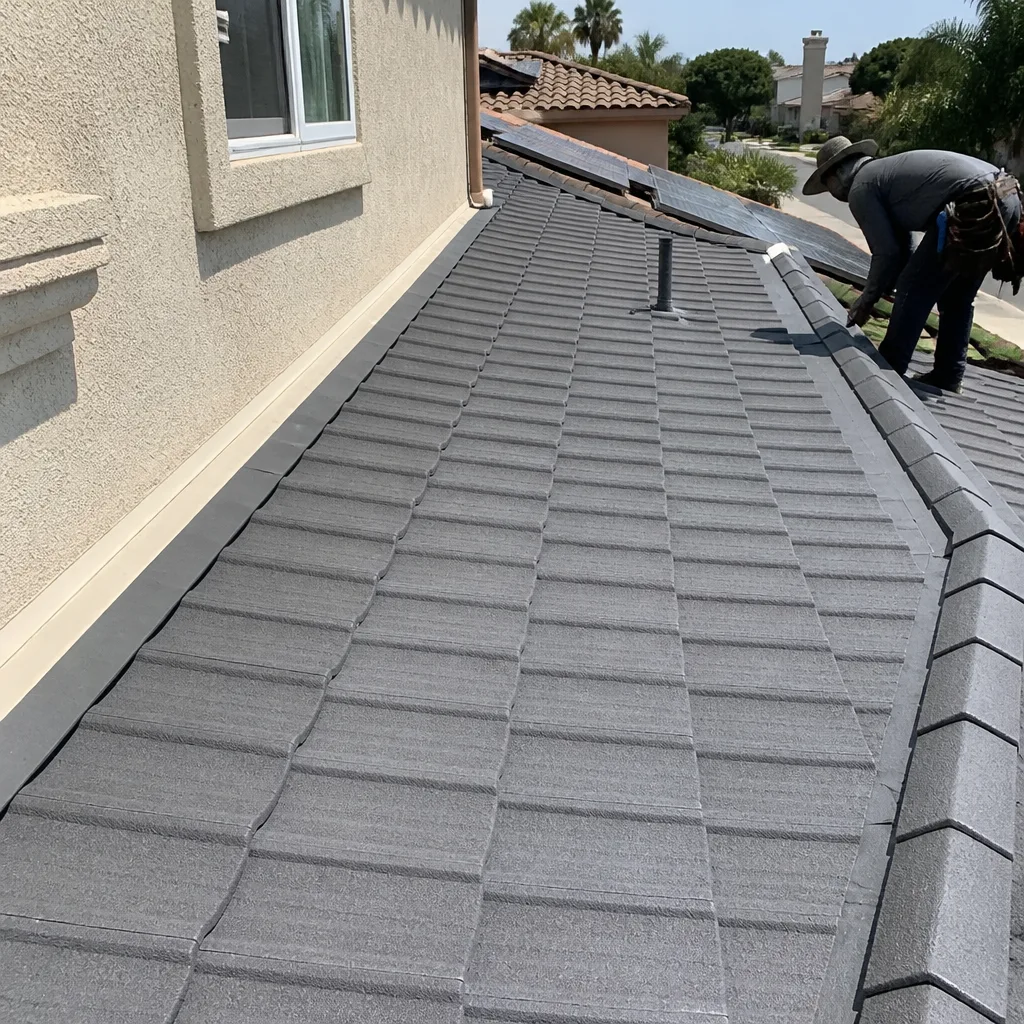
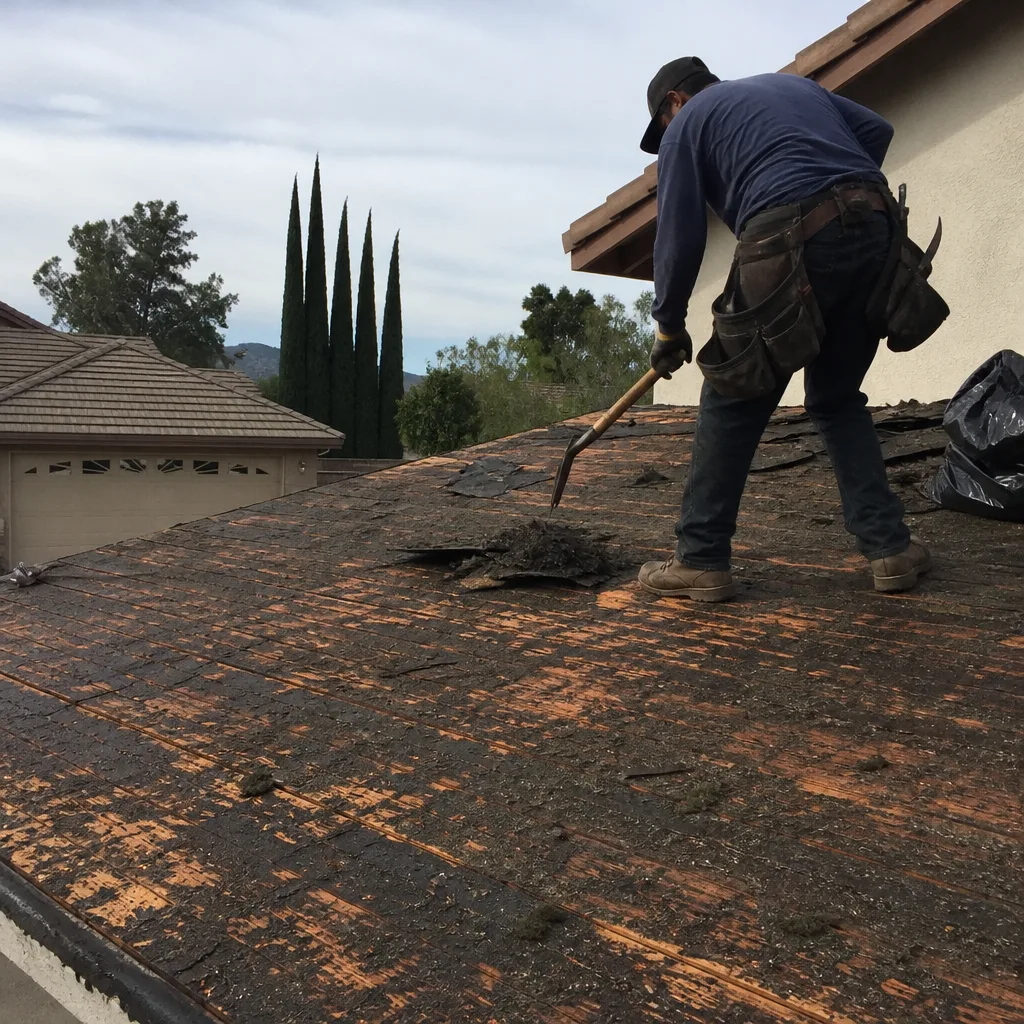
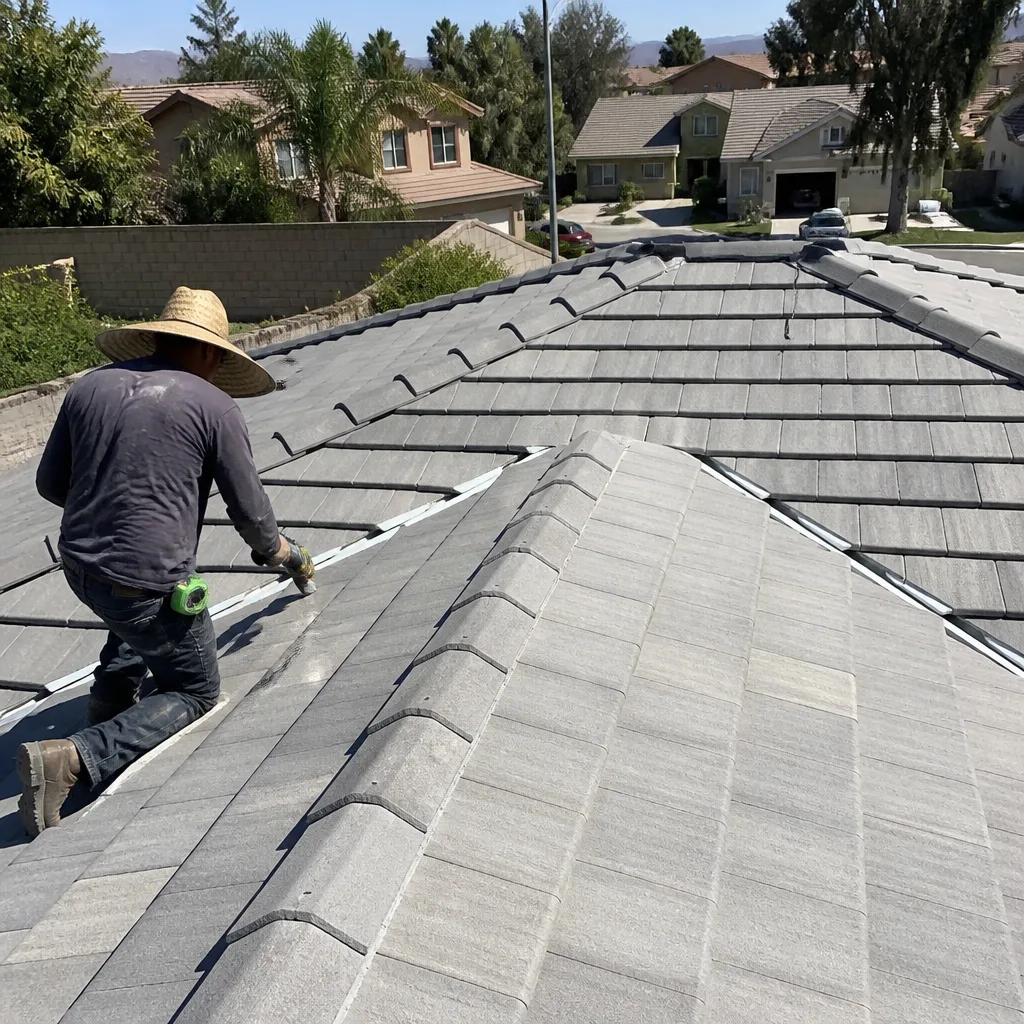
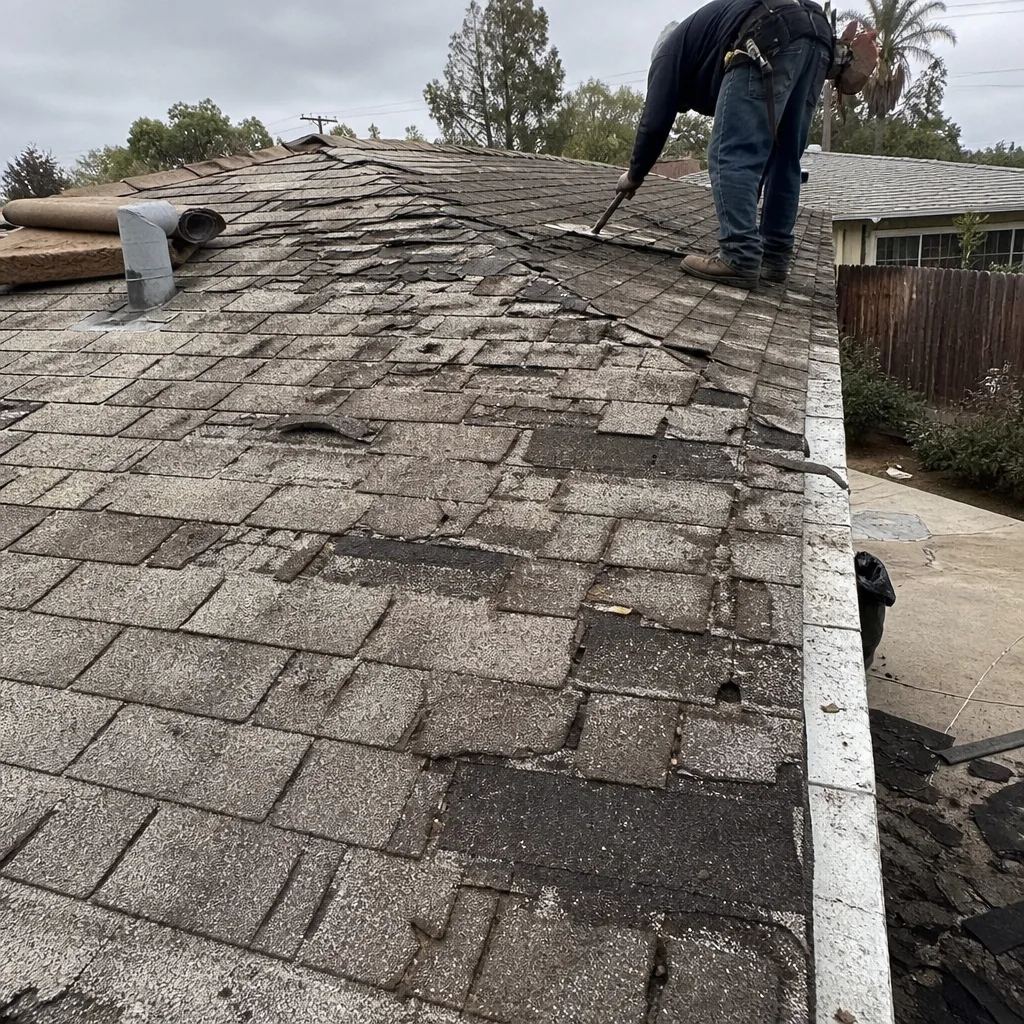
See the difference
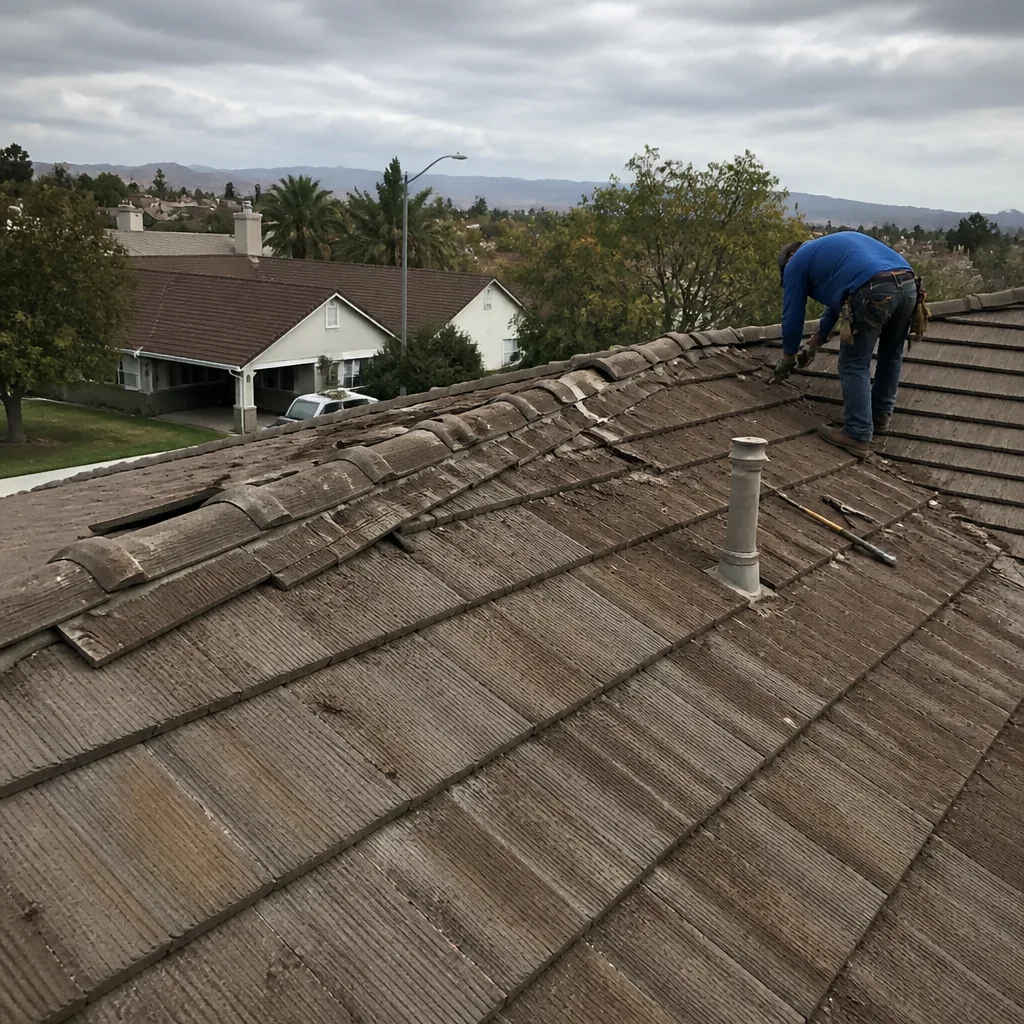 Before
 After
 Before
 After
 Before
 After