
Last updated October 30, 2026
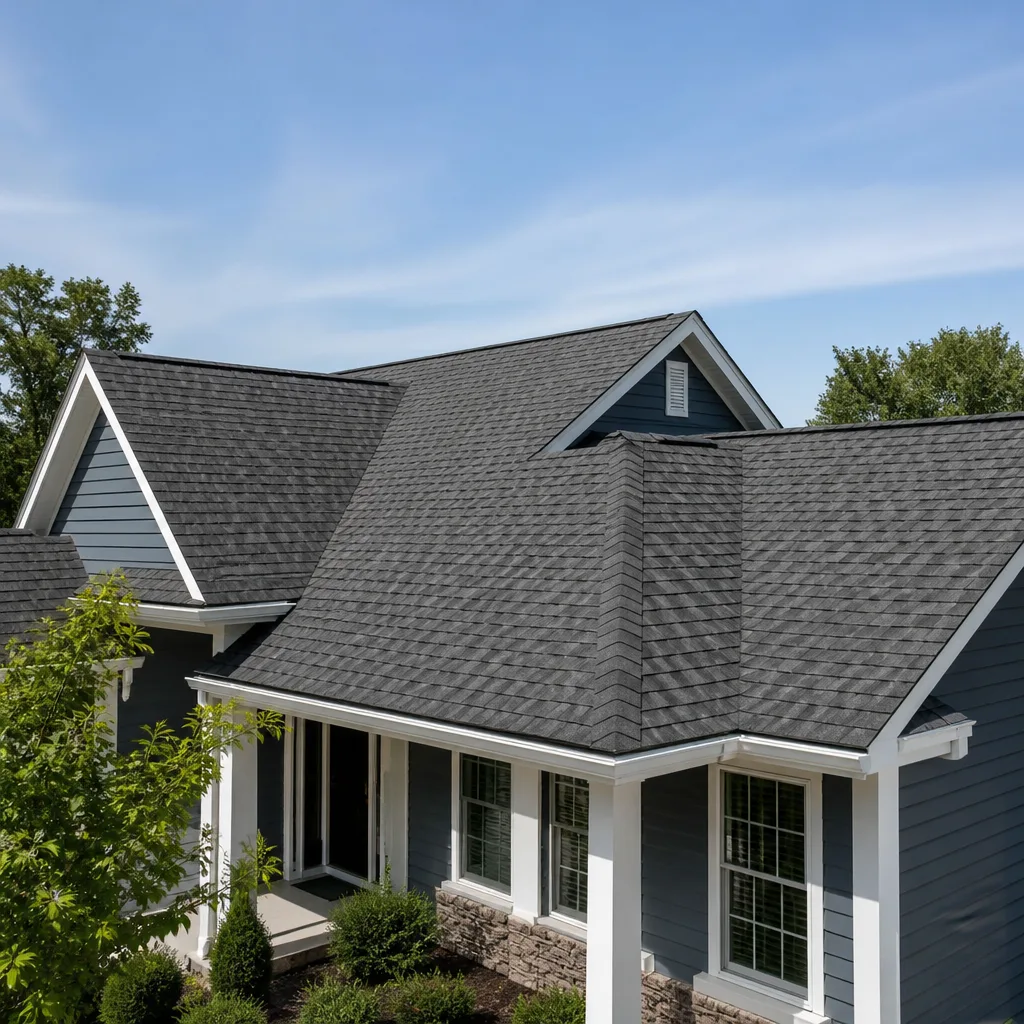 Architectural shingles
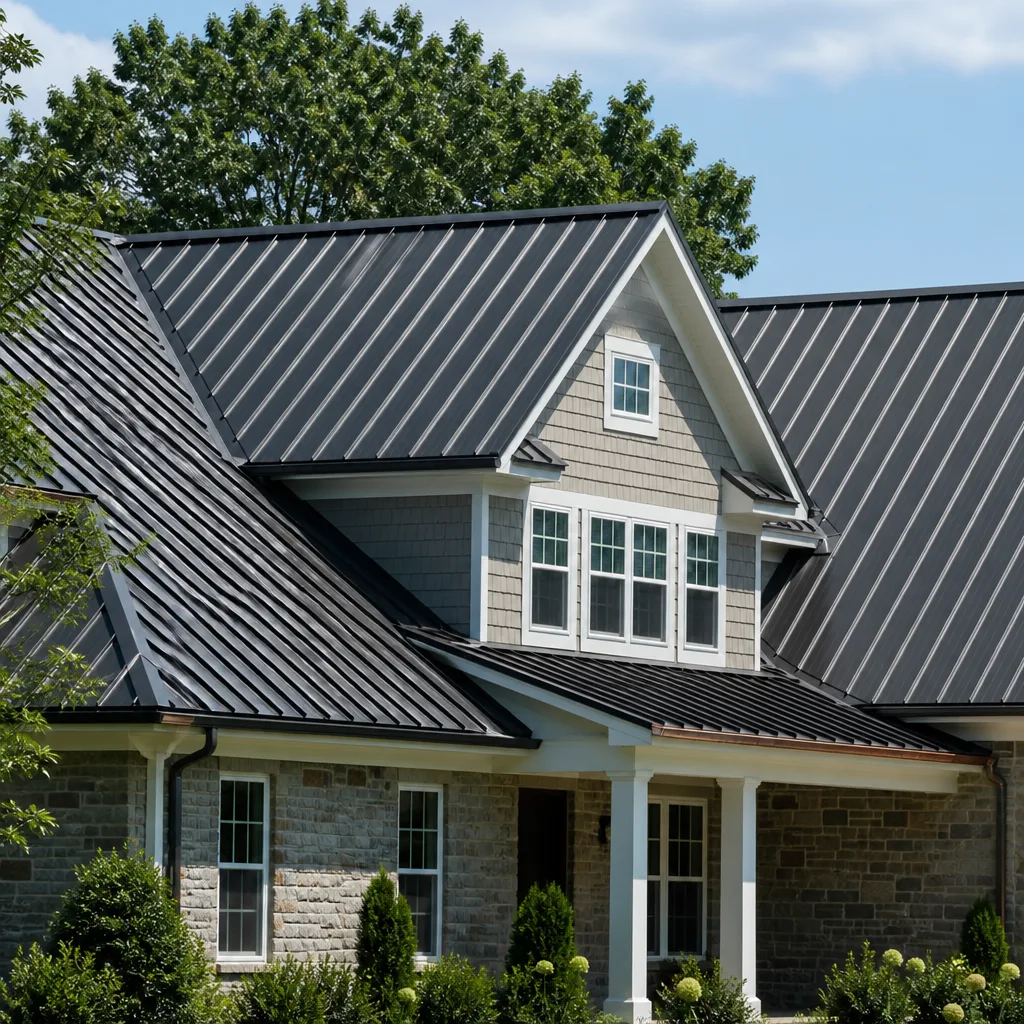 Metal roofing
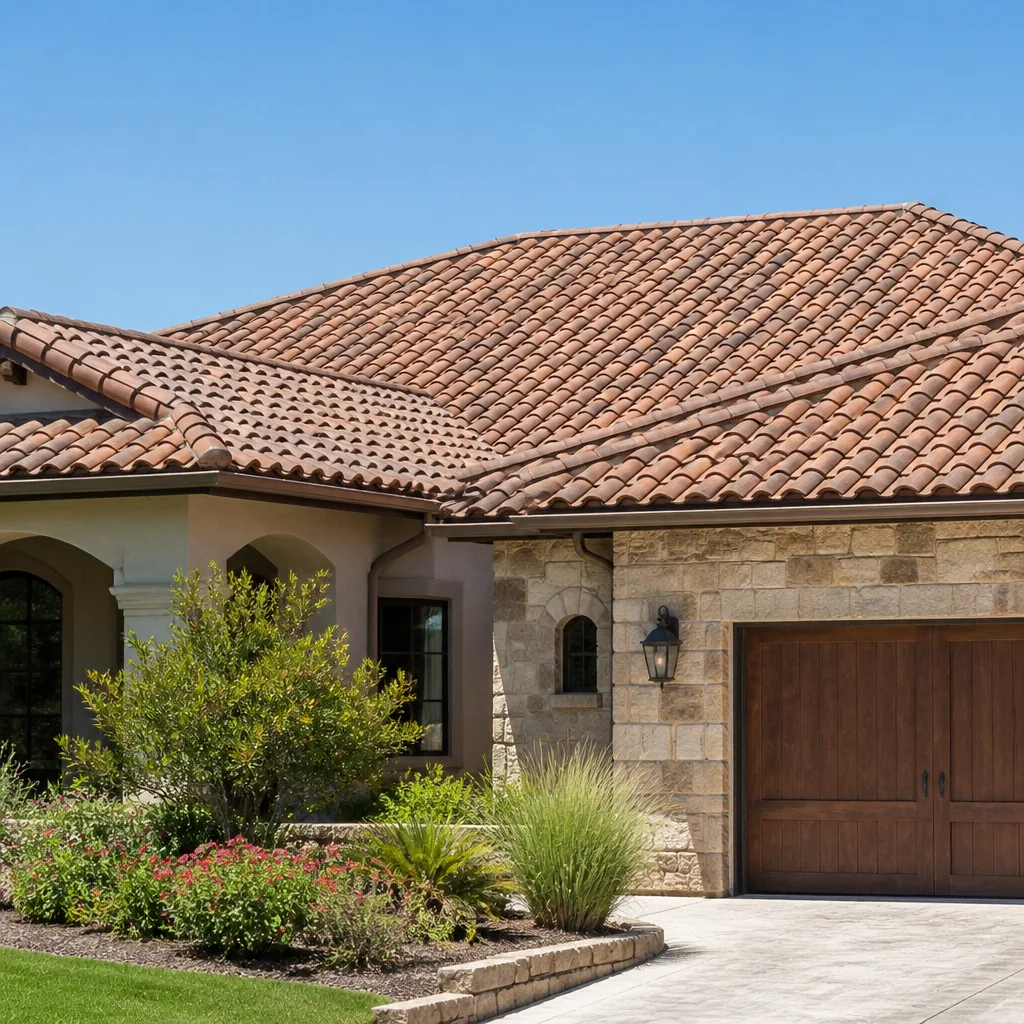 Tile roofing
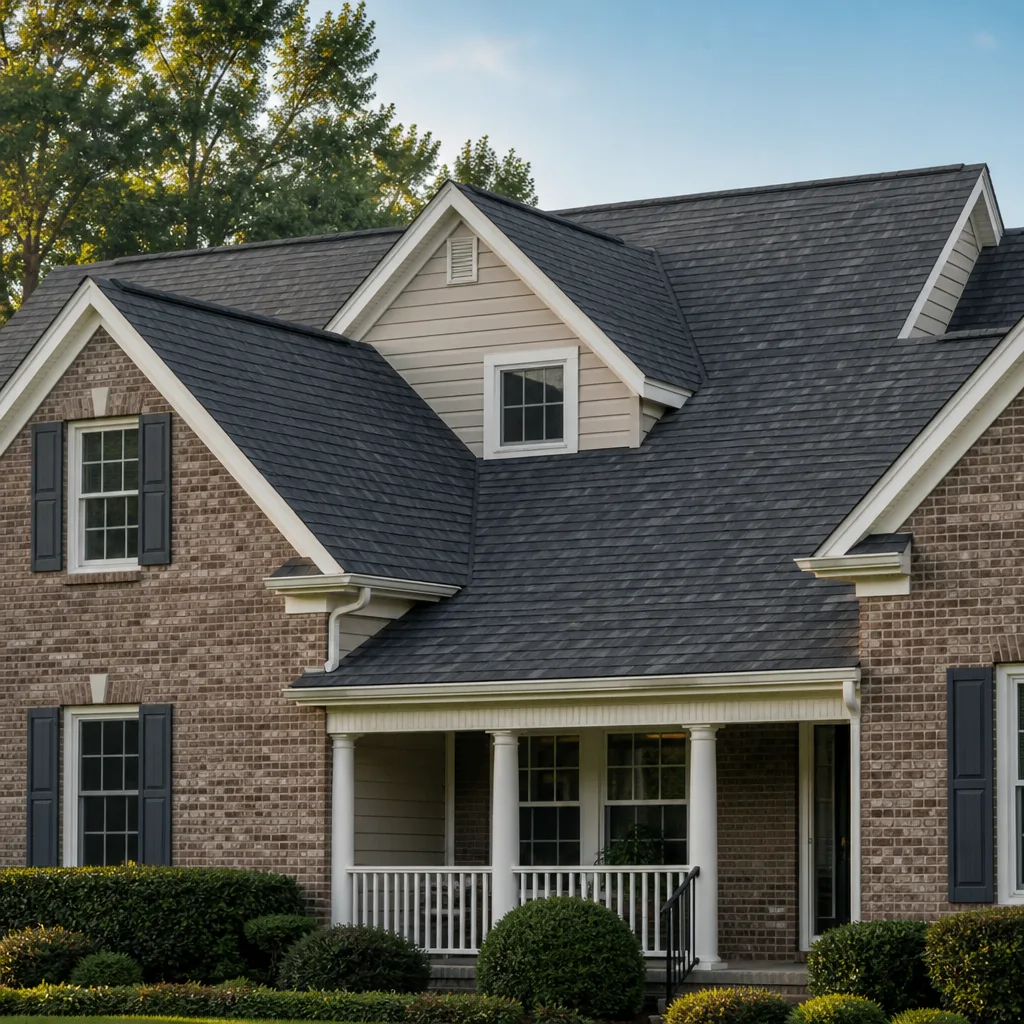 GAF
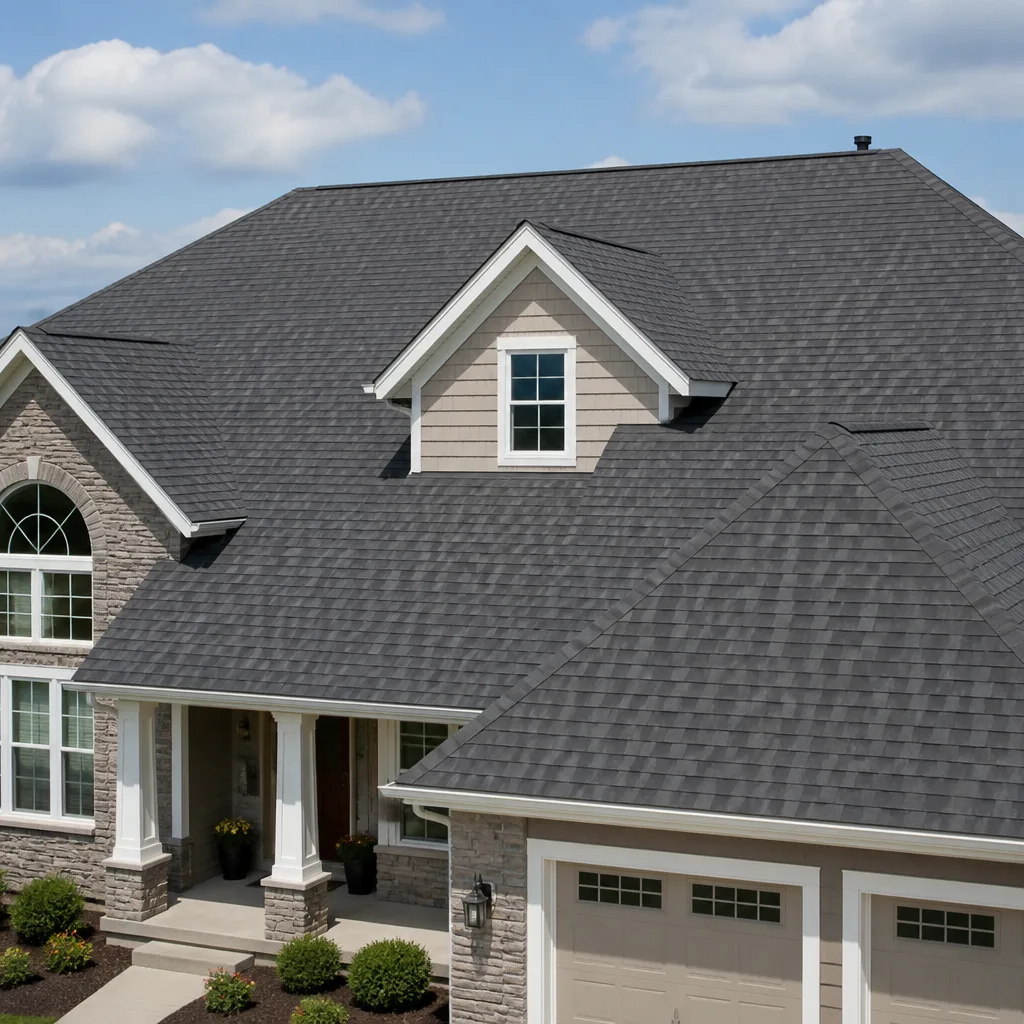 Owens Corning
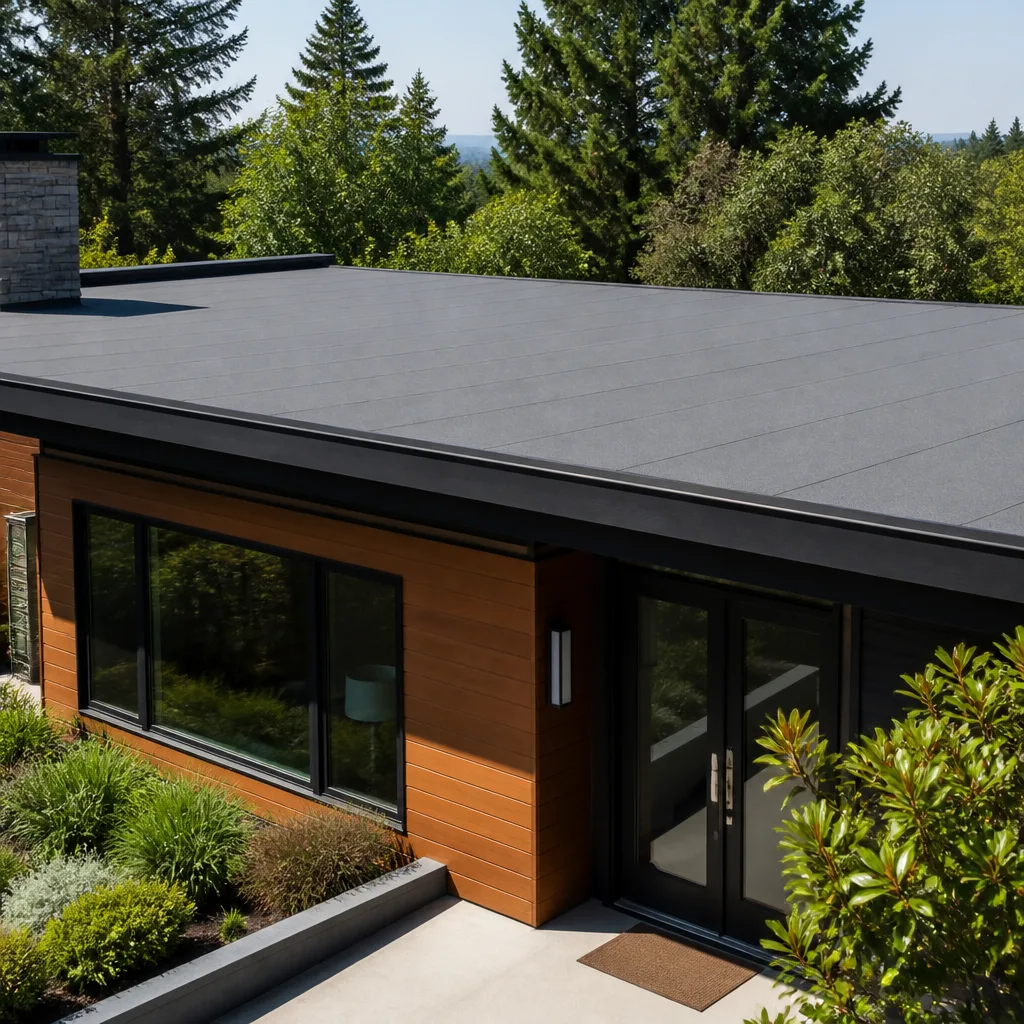 Flat & low-slope
Free roof inspection with deck photos before we talk money - GAF and Owens Corning certified installation
The Complete Roof Repair Guide for Moreno Valley Homeowners
Moreno Valley averages over 280 sunny days a year. That is not a selling point for your roof. It is the primary reason asphalt shingles here oxidize and lose granules 20 to 30 percent faster than they do in San Diego. The Inland Empire sun does not just fade color. It bakes the oils out of shingles, makes flashing seals brittle, and forces your roof through a daily expansion and contraction cycle that, over ten or fifteen years, loosens what was once tight. This guide walks through what actually fails on Moreno Valley roofs, in what order, and how to make a repair decision that does not waste your money. You will learn a repair triage sequence, how material choice changes the repair itself, and why the timing of your repair matters more than most contractors will admit.
Quick Answer
Roof repair in Moreno Valley is driven by UV degradation and 40 degree daily thermal swings that crack shingles, ridge caps, and flashing seals faster than coastal moisture does. The right repair is rarely the most expensive one. It is the one matched to your roof’s actual failure point, which is why a standalone inspection before any repair spend is the smartest first move a homeowner can make.
Styles & brands we work with
Table of Contents
- Why Moreno Valley Roofs Fail Differently Than Coastal Roofs
- The Repair Triage Sequence: Patch, Spot-Replace, or Full Replacement
- Material-Specific Repair Behavior: Boral Tile vs. GAF Shingle
- Seasonal Timing: Why Fall Is the Best Repair Window in Moreno Valley
- The Permit Reality Check for Moreno Valley and Riverside County
- Common Mistakes to Avoid
- When to Call a Professional
- Frequently Asked Questions
Why Moreno Valley Roofs Fail Differently Than Coastal Roofs
A roof in San Diego battles ocean air, morning fog, and the slow creep of salt-driven corrosion. A roof in Moreno Valley battles something more relentless: the sun. The Inland Empire receives some of the highest annual UV exposure in Southern California. Add to that the thermal cycling pattern unique to high desert-adjacent valleys, where daytime temperatures climb into the 90s and 100s and nighttime temps drop into the 50s, and you have daily material stress that coastal roofs simply do not experience. That 40 degree swing means your roof is physically expanding every afternoon and contracting every night. Over a decade, that is 3,650 expansion and contraction cycles. No material is immune to that forever.
The failure points are predictable, and they follow a pattern we have seen across hundreds of Moreno Valley inspections:
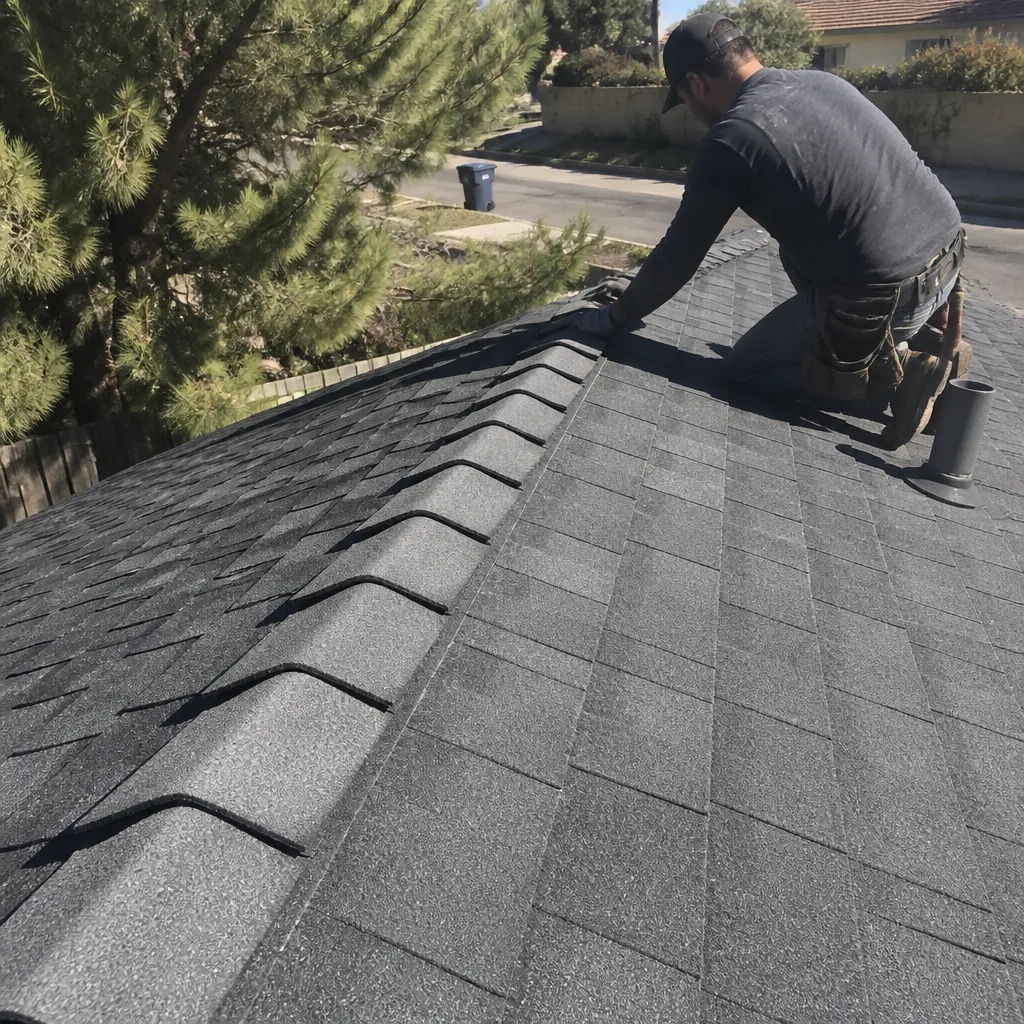
- Ridge caps crack first. The ridge is the highest point of the roof, taking direct sun from sunrise to sunset. The shingles there are bent over the ridge line, which means the top surface and the underside are exposed to different temperatures, creating a constant flex point that eventually splits the cap shingle right down the center.
- Flashing seals dry and separate. The rubberized sealant around pipe boots, chimneys, and valley flashing is designed to stay flexible. UV radiation breaks down the plasticizers that keep it flexible. Once it stiffens, the seal pulls away from the metal or tile it is supposed to protect, and a gap as small as a pencil lead lets water through.
- Shingle edges curl and lose granules. The leading edge of a shingle is the thinnest part and the most exposed to heat. It loses granules first, leaving the asphalt substrate unprotected. That exposed asphalt then oxidizes faster, making the edge brittle. When wind hits a brittle shingle edge, it snaps off, and the roof loses its water-shedding ability one small piece at a time.
The counterintuitive part for homeowners coming from other climates: Moreno Valley roofs often fail from dryness, not from wetness. The moisture is what finishes the job, but UV and thermal cycling are what set it up.
The Repair Triage Sequence: Patch, Spot-Replace, or Full Replacement
Every roof repair decision in Moreno Valley comes down to a triage judgment: what gets patched, what gets spot-replaced, and what damage pattern means replacement is actually the cheaper long-term decision. Getting this wrong costs you money either way. Patching a roof that needed replacement just delays the inevitable by eighteen months. Replacing a roof that needed a $600 patch wastes twenty thousand dollars. Here is the sequence we walk every homeowner through:
- Patch when the damage is isolated and the surrounding material is sound. A single cracked shingle, one lifted nail, a small flashing gap around a pipe boot. These are point failures. The surrounding shingles still have granule coverage, still lay flat, and still have enough oil in them to remain flexible. A patch here is legitimate, costs a few hundred dollars, and can buy another three to five years of roof life. The key qualifier: the surrounding material must be healthy. A patch applied to an already-brittle area fails within months because the adjacent shingles crack when the repair technician walks on them.
- Spot-replace when a defined area has reached end of life. Typical for a south-facing roof slope that has aged faster than the rest of the roof, or a valley where granule loss is concentrated. The shingles in a 10-by-10 section are bald, curled, and brittle while the rest of the roof has years left. Spot replacement means tearing that section to decking and replacing it with new underlayment and shingles. The material will not match perfectly, but on a slope that is not visible from the street, that is a cosmetic concern, not a functional one. This runs between $1,500 and $4,000 depending on section size and material type, but buys a meaningful extension before full replacement.
- Replace when the damage pattern is distributed across multiple slopes. If you are seeing granule loss on two or more roof faces, if the ridge caps are cracked in multiple places, if the flashing failures are scattered rather than isolated, the roof is telling you something. At that point, repair becomes whack-a-mole. You patch one area and two more fail the next season. A distributed failure pattern on an asphalt shingle roof in Moreno Valley usually means the roof has reached 80 to 85 percent of its serviceable life. Full replacement stops the cycle. It resets the clock. And because our team installs materials from GAF, CertainTeed, Owens Corning, IKO, Atlas, Tamko, and Boral, the replacement conversation becomes about matching material to your home’s orientation and your timeline rather than accepting whatever the contractor keeps in inventory.
For a deeper look at how this applies to specific repair work, see our full breakdown on Roof Repair in Moreno Valley.
Material-Specific Repair Behavior: Boral Tile vs. GAF Shingle
Repair is not one skill. A technician who is excellent at asphalt shingle repair may never have worked on concrete tile, and the difference matters when the material fails. In Moreno Valley, the two most common residential roofing materials are asphalt composition shingles and concrete tile, with Boral being a common tile brand and GAF a common shingle brand. They fail differently, and they repair differently.
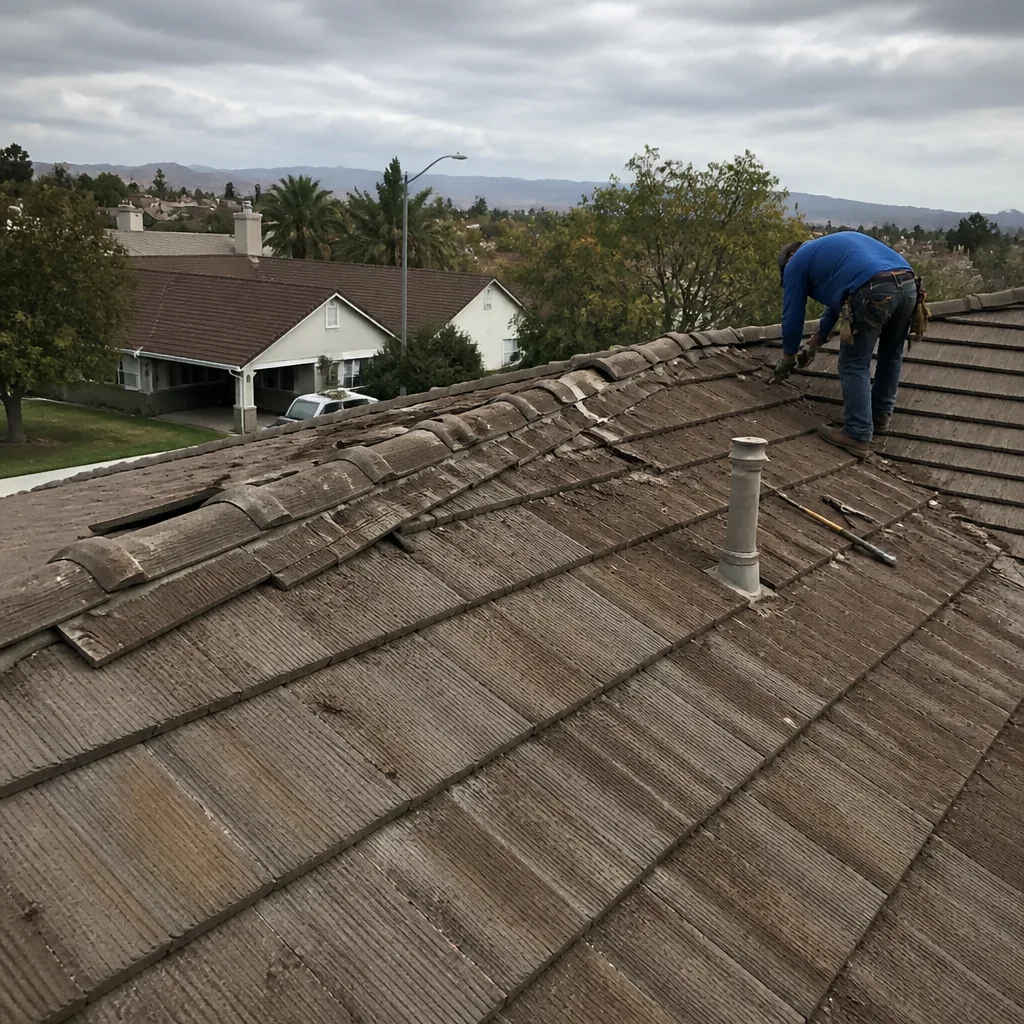
A cracked Boral tile is a physical break. Concrete tile is rigid, so when a branch hits it or a technician steps in the wrong spot, the tile cracks clean through. The repair is straightforward but specific: the broken tile is removed, the underlayment beneath is checked for damage, and a new tile of the same profile is slid in and fastened. The critical part is the underlayment. Tile is a water-shedding layer, but it is not waterproof. The felt or synthetic underlayment beneath the tile is what actually keeps water out of your home. If a cracked tile has allowed water to sit on the underlayment for months, the underlayment may be degraded, and simply replacing the tile seals water into the deck. A competent tile repair always inspects below the surface, and that is the difference between a repair that lasts a decade and one that hides a problem.
A damaged GAF shingle fails differently. Shingles fail through granule loss, edge curling, and splitting at stress points, not usually from a single impact. The repair is also different: a shingle is not replaced in isolation the way a tile is. To replace one shingle, the technician must break the seal on the shingles above and around it, remove the damaged shingle, set a replacement, and re-seal the surrounding area. The repair depends heavily on adhesive behavior. In hot weather, the new shingle seals faster, which is good, but the surrounding shingles may be brittle enough that lifting them causes new cracks, which is bad. This is another reason fall is the ideal repair window, which we address in the next section. For homeowners weighing a larger decision, the material conversation continues on our Roof Replacement in Moreno Valley page.
Seasonal Timing: Why Fall Is the Best Repair Window in Moreno Valley
Roof repairs in Moreno Valley happen year round, but they do not all happen equally well. The seasonal timing affects adhesive performance, material workability, and long-term repair durability. Most homeowners assume summer is the best time for roofing work, because the weather is clear. Clear is not the same as ideal.
The problem with summer repairs in the Inland Empire is heat. Asphalt shingles need to be warm enough to flex but cool enough not to tear when handled. Above roughly 95 degrees, shingles become overly pliable, which sounds helpful until a technician has to peel back a shingle to replace the one underneath. The shingle stretches instead of lifting, and the seal line tears unevenly. The bigger issue is adhesive cure. Shingle sealant is heat-activated, but extreme heat causes the adhesive to cure too fast, which means the shingle bonds before it is fully positioned, leaving minor wrinkles and seal gaps that are invisible at installation but become leak points later. When the ambient temperature is over 100 degrees, the roof surface can reach 160 degrees, and no adhesive cures correctly at 160 degrees.
Fall solves both problems. October and November in Moreno Valley bring daytime temperatures in the 70s and 80s, which is warm enough to keep shingles pliable and sealant activating properly, but cool enough to avoid the rush-to-cure problem. The roof surface stays below 110 degrees, which is the sweet spot for proper sealant bonding. The material has time to settle before the first winter rains in December and January. A repair done in October has had two months of good weather to fully bond before any water challenge arrives. A repair done in late August has had weeks of 100 degree days working against the bond before the first rain. For tile, fall is also the best window because the cool tile is less likely to crack under foot traffic than tile heated to 140 degrees.
The takeaway is not that summer repairs are impossible. It is that if you have the flexibility, a fall repair will last longer. If you must repair in summer, early morning work and shaded areas help, but you are still fighting the temperature.
The Permit Reality Check for Moreno Valley and Riverside County
Here is what most roofing companies will not volunteer, because the permit conversation is awkward. Not all roof repairs need a permit, and some homeowners get convinced a permit is required when it is not. Other homeowners get told no permit is needed when the job actually does require one. Here is the honest Moreno Valley reality.
A straightforward repair, defined as replacing a limited number of damaged shingles, resealing flashing, or patching a small section, does not trigger a permit requirement under Moreno Valley municipal code or Riverside County standards. These are considered maintenance activities, and the city does not want to process a permit for one cracked tile.
A permit is triggered when the repair crosses into structural territory. That means: replacing roof sheathing, changing any part of the roof’s support structure, re-roofing more than a defined percentage of the roof area in a single project, or changing the roofing material type, such as going from composition shingle to concrete tile, which adds dead load to the existing structure. Moreno Valley follows the California Building Code with local amendments, and the specific threshold for re-roofing without permit varies, but as a practical rule, if the repair involves replacing decking or changing material, assume a permit and inspection are in play. The permit protects you as much as it protects the city. An unpermitted structural repair discovered during a future home sale becomes a title issue, and you will pay to correct it then. Our recommendation is simple: if you are not sure, ask the contractor to put the permit question in writing. A contractor who avoids the question is answering it.
For homeowners in Moreno Valley who want a professional assessment before any repair or replacement spend, a Roof Inspection in Moreno Valley is the right place to start. It gives you a written condition report, which makes the patch-versus-replace decision concrete instead of speculative.
Common Mistakes to Avoid
- Patching a roof that has reached end of life across multiple slopes. It feels cheaper in the moment, but you are paying for repairs that will fail in sequence. If the granule loss is distributed, so is the remaining life, and replacement resets the timeline.
- Accepting a single-brand material recommendation. A contractor who installs only GAF will recommend GAF, not because it is wrong for your home but because it is what they stock. Seven leading brands, one straightforward recommendation means the material choice follows your climate, your budget, and your timeline, not the contractor’s inventory.
- Skipping the underlayment inspection on tile repairs. A cracked Boral tile is the symptom; degraded underlayment underneath is the sometimes hidden disease. Replacing the tile without checking below turns a $400 repair into a $4,000 water damage claim two years later.
- Scheduling a major repair in the middle of a Moreno Valley heat wave. The sealant cures too fast, the shingles stretch, and the bond is compromised before the first rain. If you can wait until October, wait.
- Treating every flashing seal failure as a roofing emergency. A dried pipe boot seal is a legitimate repair, but it is a one-hour fix, not a sign the roof is collapsing. Conversely, ignoring a flashing failure because it looks small is how ceilings get stained.
- Not asking whether the repair requires a permit. Most repairs do not, but structural repairs do, and the answer determines whether you are getting a maintenance fix or a code-relevant project.
- Replacing a roof before getting an inspection. You would not buy a car before test-driving it. Know what your roof actually needs before spending a dollar on repair or replacement.
When to Call a Professional
There are repair scenarios that are safe for a competent DIYer to evaluate from the ground: a visible missing shingle, a sagging gutter pulling flashing away, obvious granule accumulation in the gutter. There are also scenarios where you should not be on the roof at all, and those include any situation involving steep pitches, tile surfaces that crack under foot traffic, or suspected structural sag. High heat adds another layer of danger: a Moreno Valley roof in August can reach 160 degrees, and that temperature makes shingles slippery, sealant gummy, and heat exhaustion comes faster than most people expect. If the repair requires walking beyond a low-slope single-story roof, call someone who does it professionally. Moreno Valley Roof Repair offers free estimates in Moreno Valley, and the inspection is a standalone service, which means you get an honest read before you commit. Call (866) 217-3967 to schedule. For a full overview of what we do, start at the Moreno Valley Roof Repair home page.
Frequently Asked Questions
A minor Roof Repair, such as a single shingle replacement or a flashing seal fix, typically runs between $200 and $600 in Moreno Valley. A broader spot replacement of a 10-by-10 section runs between $1,500 and $4,000 depending on material and slope complexity. The variables are access, roof pitch, and material type, which is why Mark and our team provide written line-item quotes rather than verbal estimates. Call (866) 217-3967 for an exact quote after an inspection.
A ground-level homeowner can replace a gutter or reseal a small exposed flashing seam, but any repair requiring roof access involves a decision about safety and material condition. Asphalt shingles above 100 degrees are easily damaged by foot traffic, and tile cracks under concentrated weight. You may save $400 on labor and cause $800 in new damage. For anything beyond a ground-level fix, consider our DIY vs Professional Roofing: The Moreno Valley Homeowner’s Decision Guide and hire a professional inspection.
A properly executed patch repair on an otherwise healthy roof typically lasts three to five years in the Inland Empire climate. A spot replacement of a defined section lasts five to eight years. A full replacement with quality materials installed correctly lasts twenty to thirty years. The UV exposure and thermal cycling in Moreno Valley compress these timelines compared to coastal areas, which is why material choice matters so much.
Most straightforward repairs do not require a permit. Replacing a limited number of shingles, resealing flashing, and patching small sections are considered maintenance under Moreno Valley and Riverside County standards. Permits come into play when the repair involves structural components, decking replacement, material type changes, or re-roofing beyond a defined percentage of the roof area. If your contractor avoids the permit question, get a second opinion.
Concrete tile, such as Boral, handles UV exposure better than asphalt, but it is heavier and more expensive to repair. High-quality asphalt shingles, such as GAF Timberline or Owens Corning Duration, offer better hail and wind resistance for the price point. There is no single answer without knowing your home’s orientation, your slope, and your timeline. That is why we carry seven brands: the right material is the one matched to your roof, not the one we happen to favor. Call (866) 217-3967 to discuss what fits your home.
Fall is the best repair window in Moreno Valley because daytime temperatures in the 70s and 80s allow shingle sealant to cure properly before winter rains. Summer heat above 100 degrees causes sealant to cure too fast and shingles to stretch, compromising the bond. If a repair cannot wait until fall, early morning scheduling reduces the heat-related problems.
The Bottom Line
Roof repair in Moreno Valley is not a generic service, and the decisions you make should not be generic either. The Inland Empire climate punishes roofs through UV exposure and thermal cycling more than moisture, and that specific failure pattern means your repair sequence should be triage-based: patch the isolated, spot-replace the defined, replace the distributed. Material matters, timing matters, and the permit question matters, because getting any of them wrong costs more than the repair itself. The smartest first move is always the same: know what your roof actually needs before spending a dollar. A standalone inspection gives you that answer.
Written by the team at Moreno Valley Roof Repair, serving Moreno Valley since 2013. Explore our more guides & resources.
See the difference
 Before
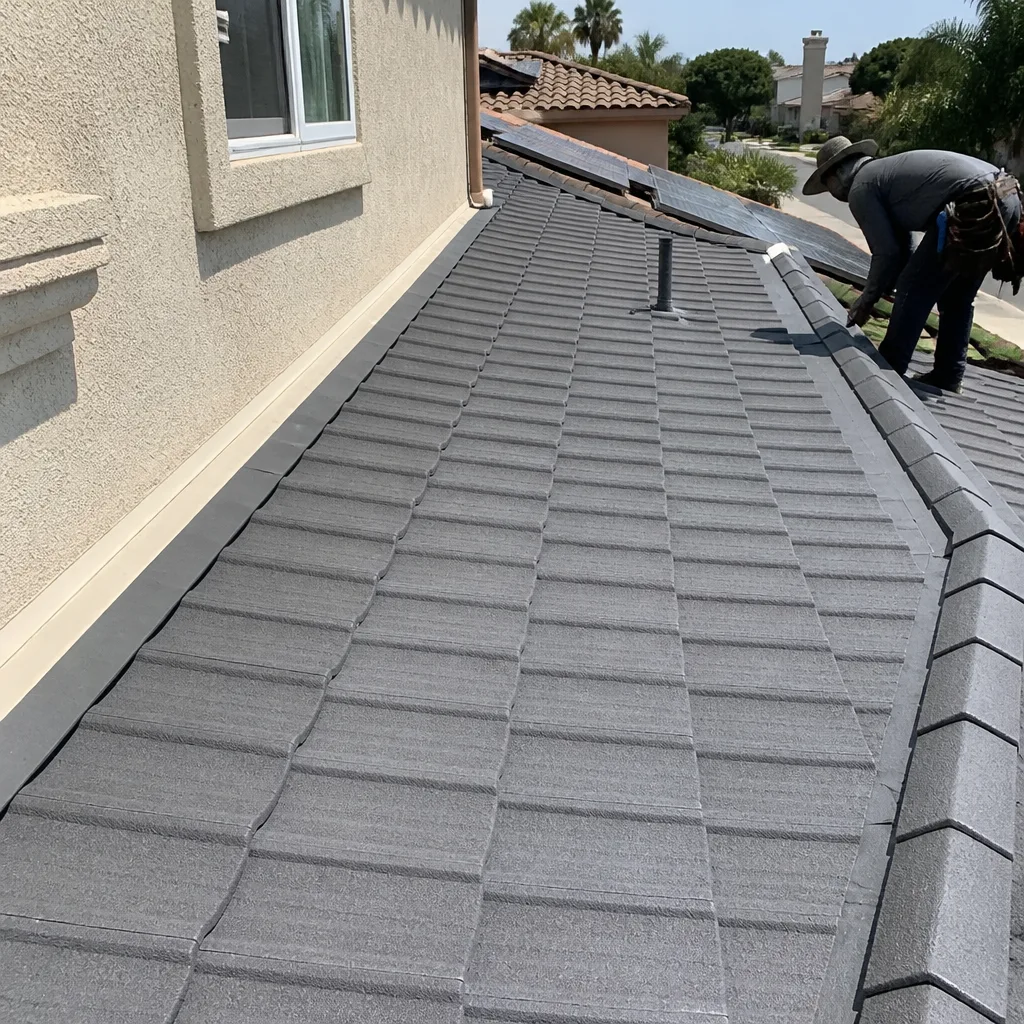 After
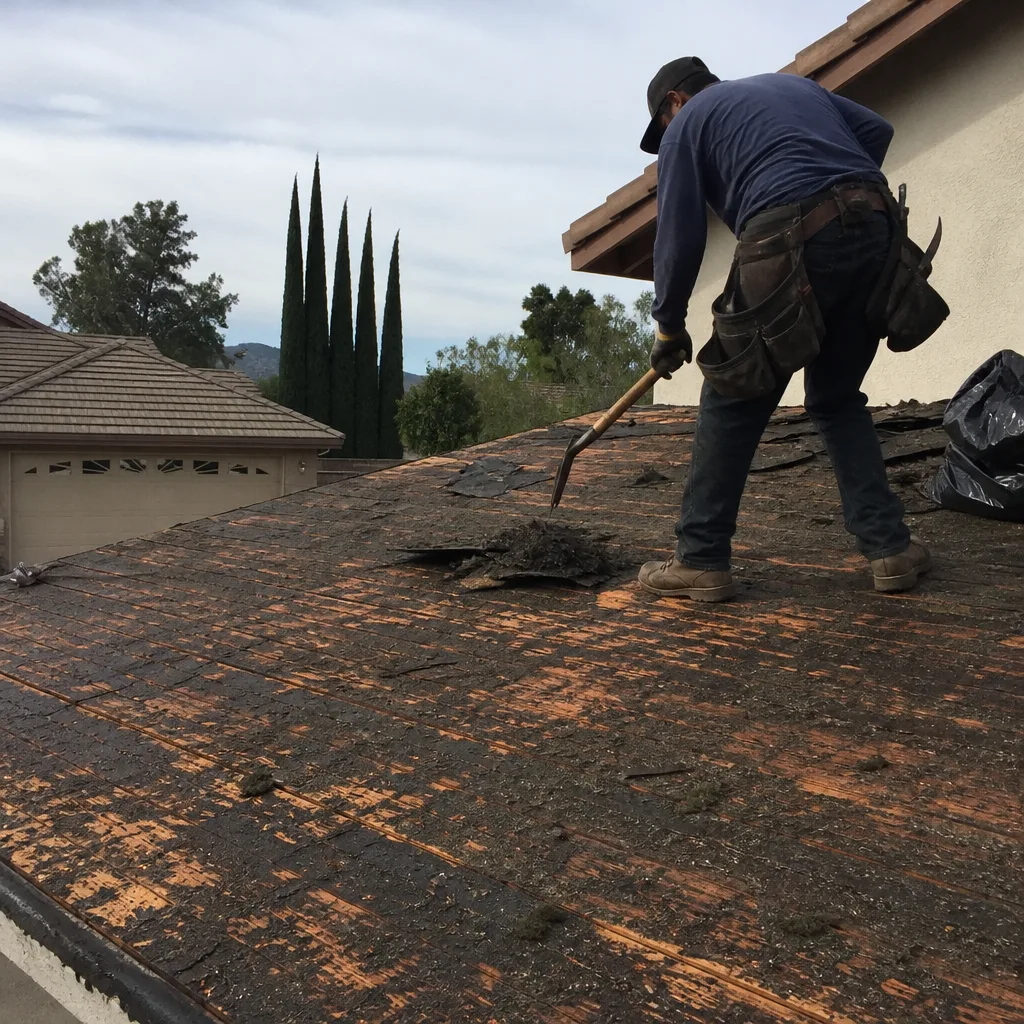 Before
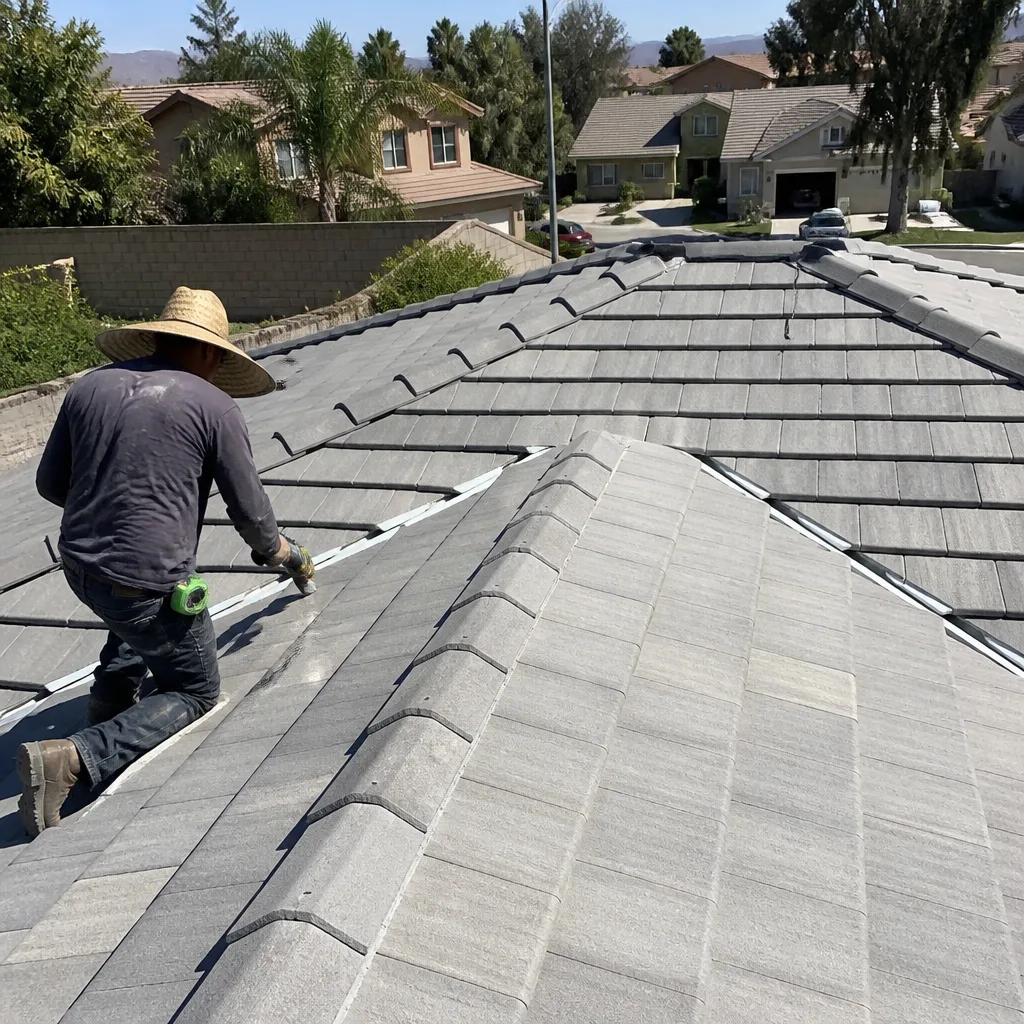 After
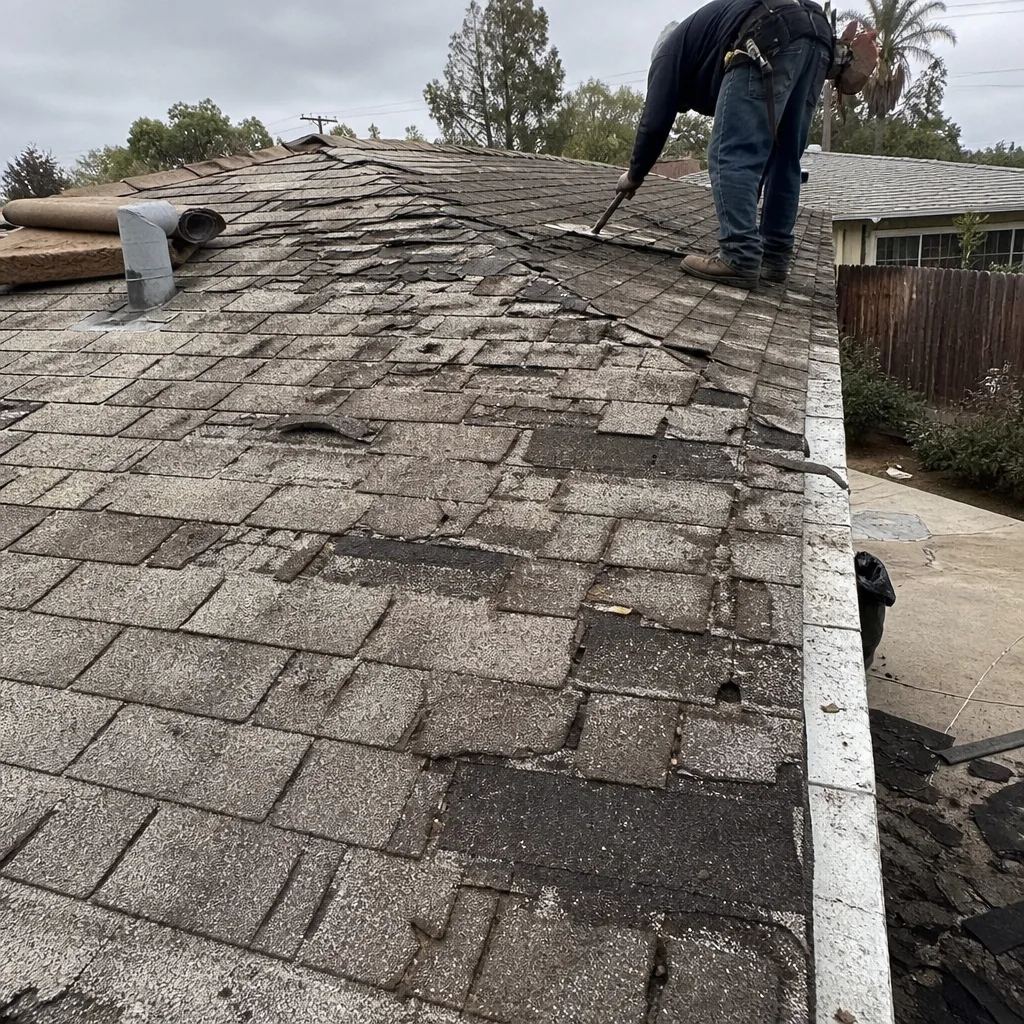 Before
 After