
Last updated October 30, 2026
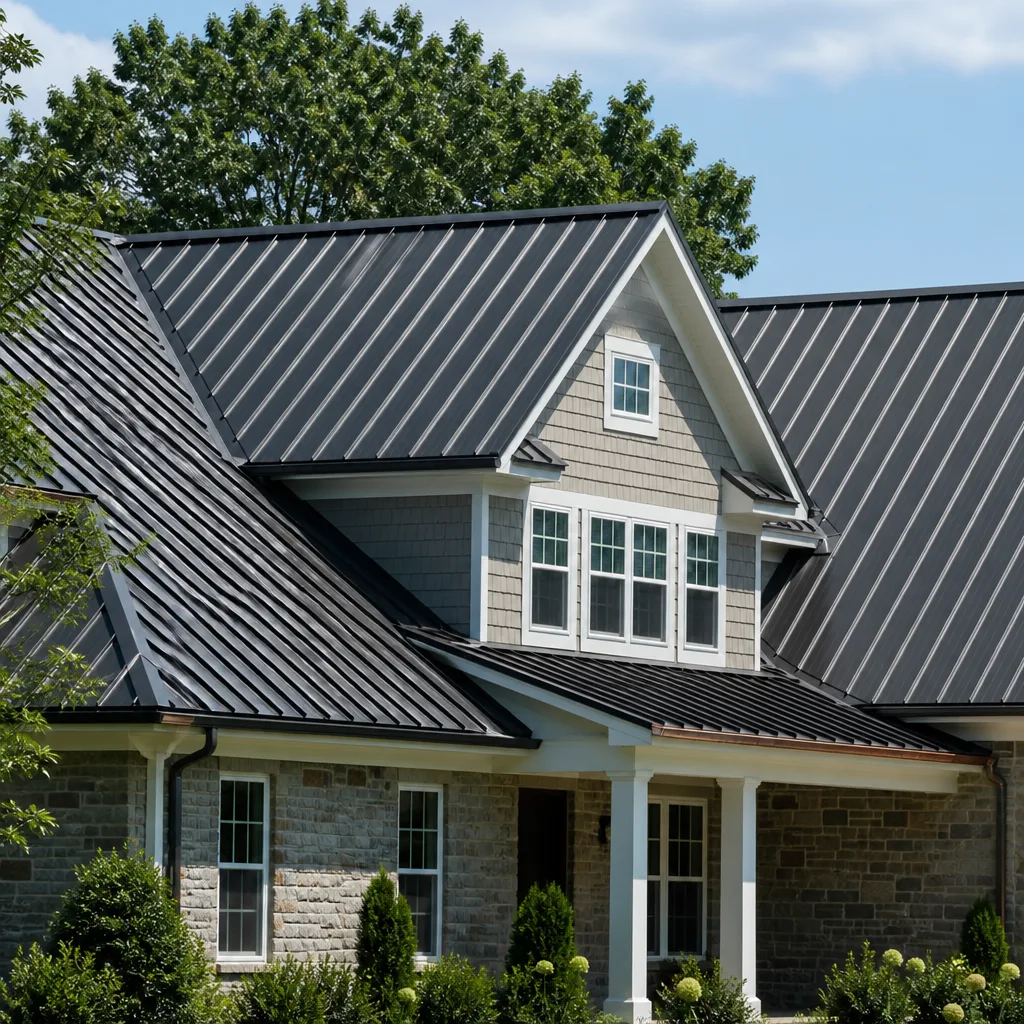 Metal roofing
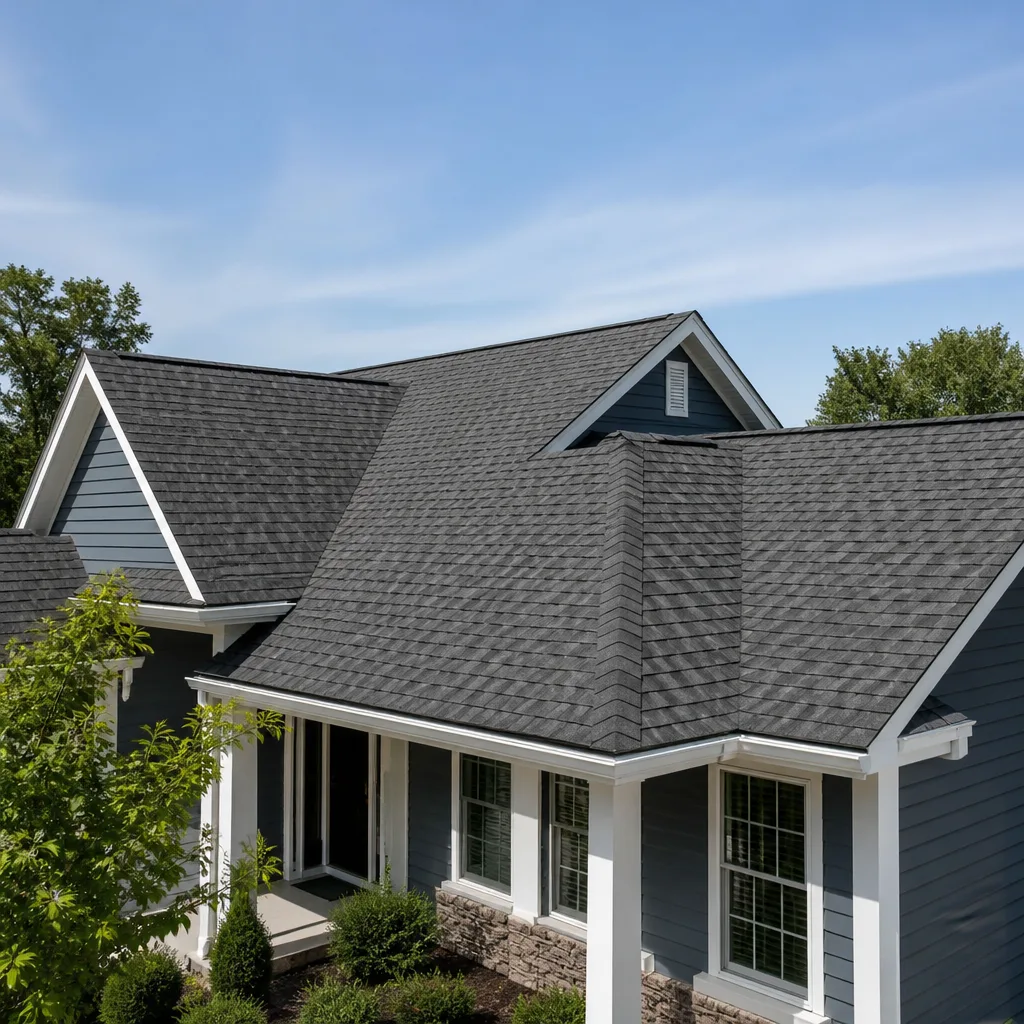 Architectural shingles
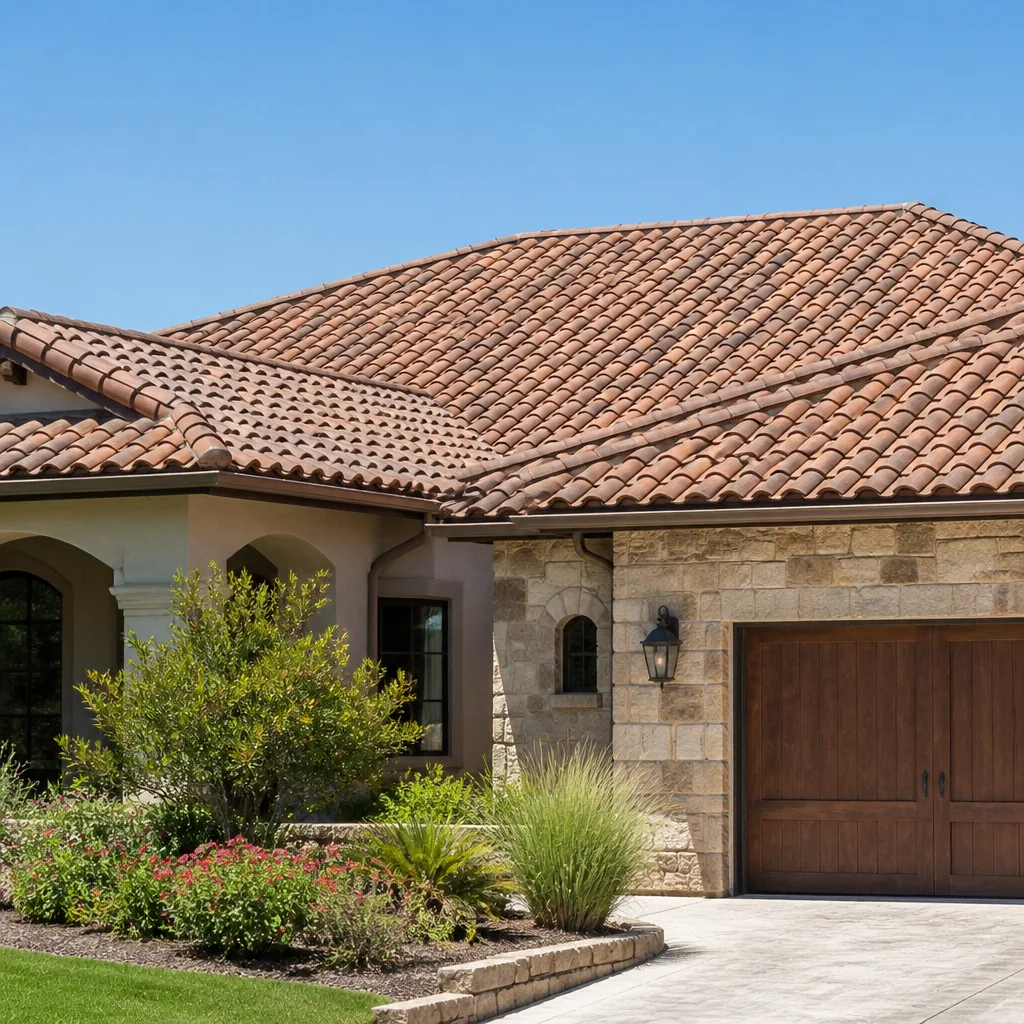 Tile roofing
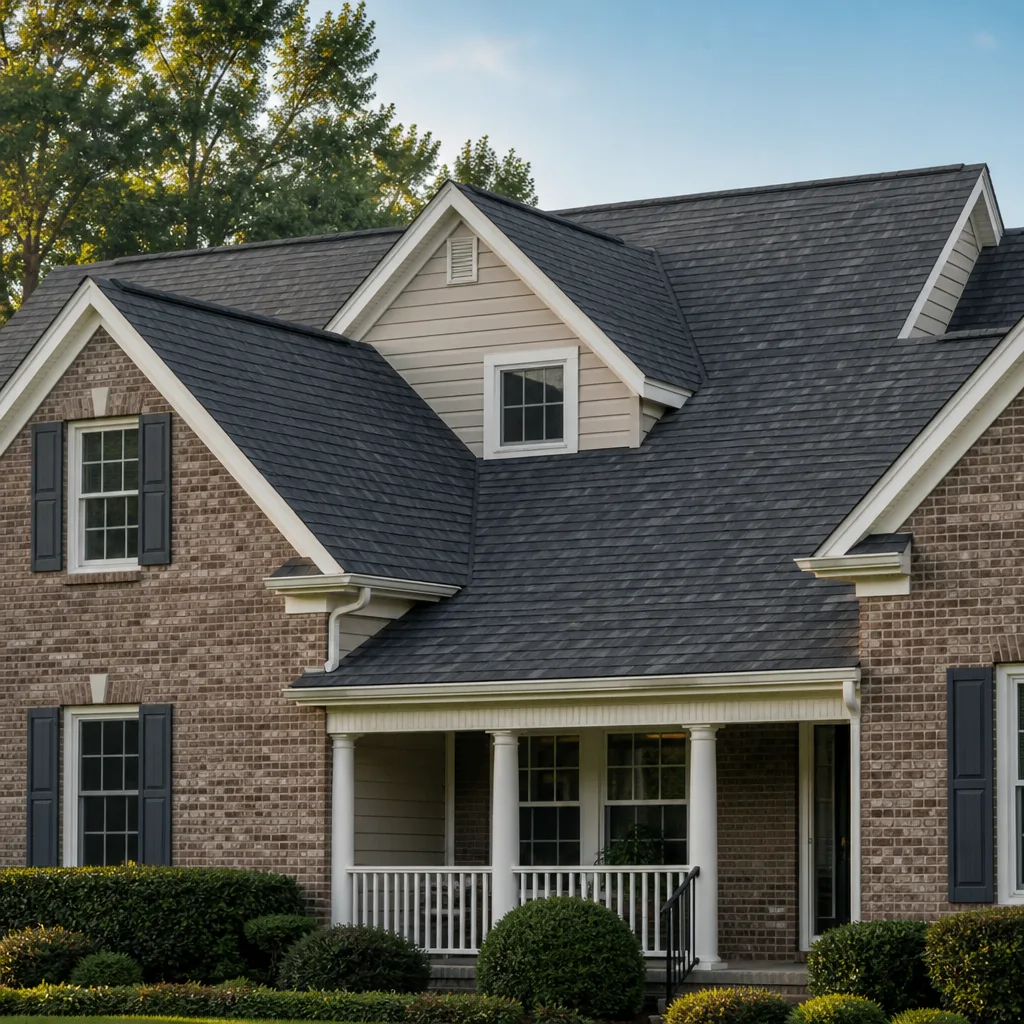 GAF
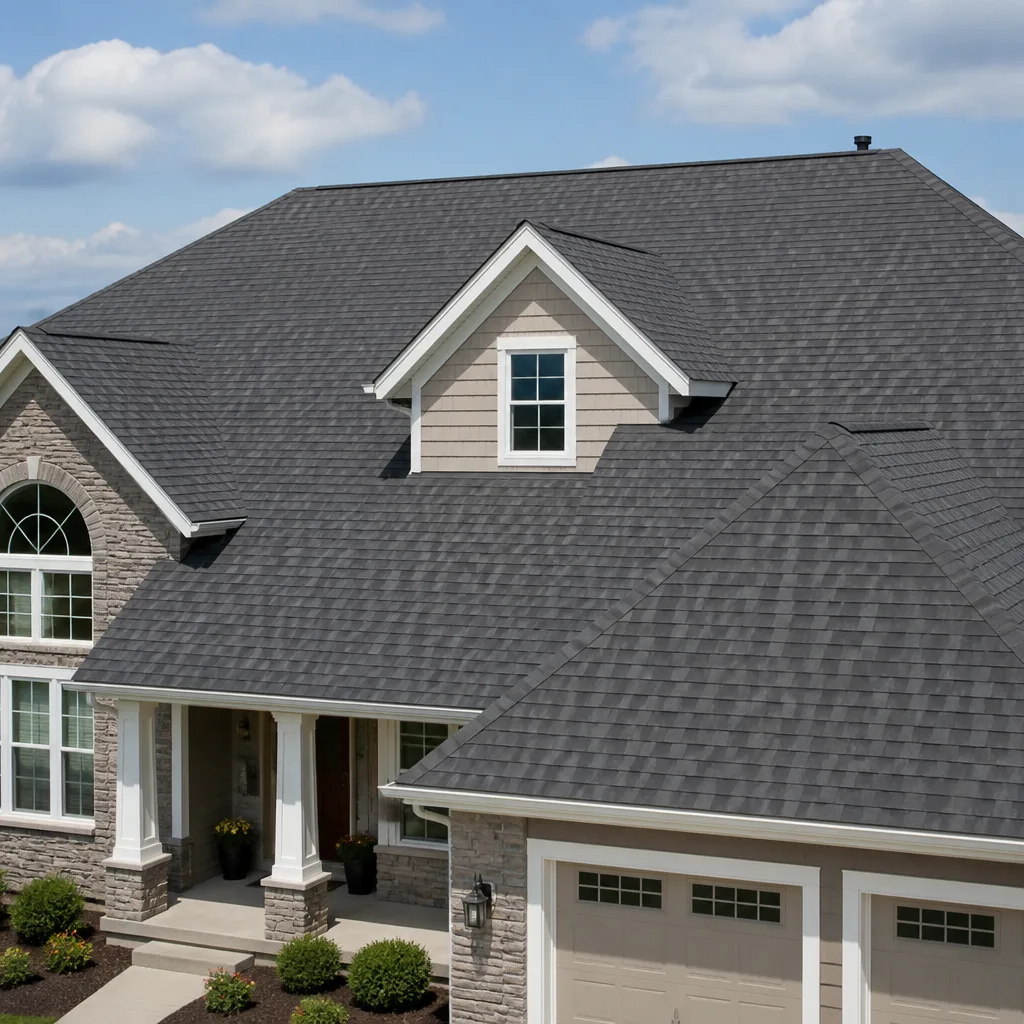 Owens Corning
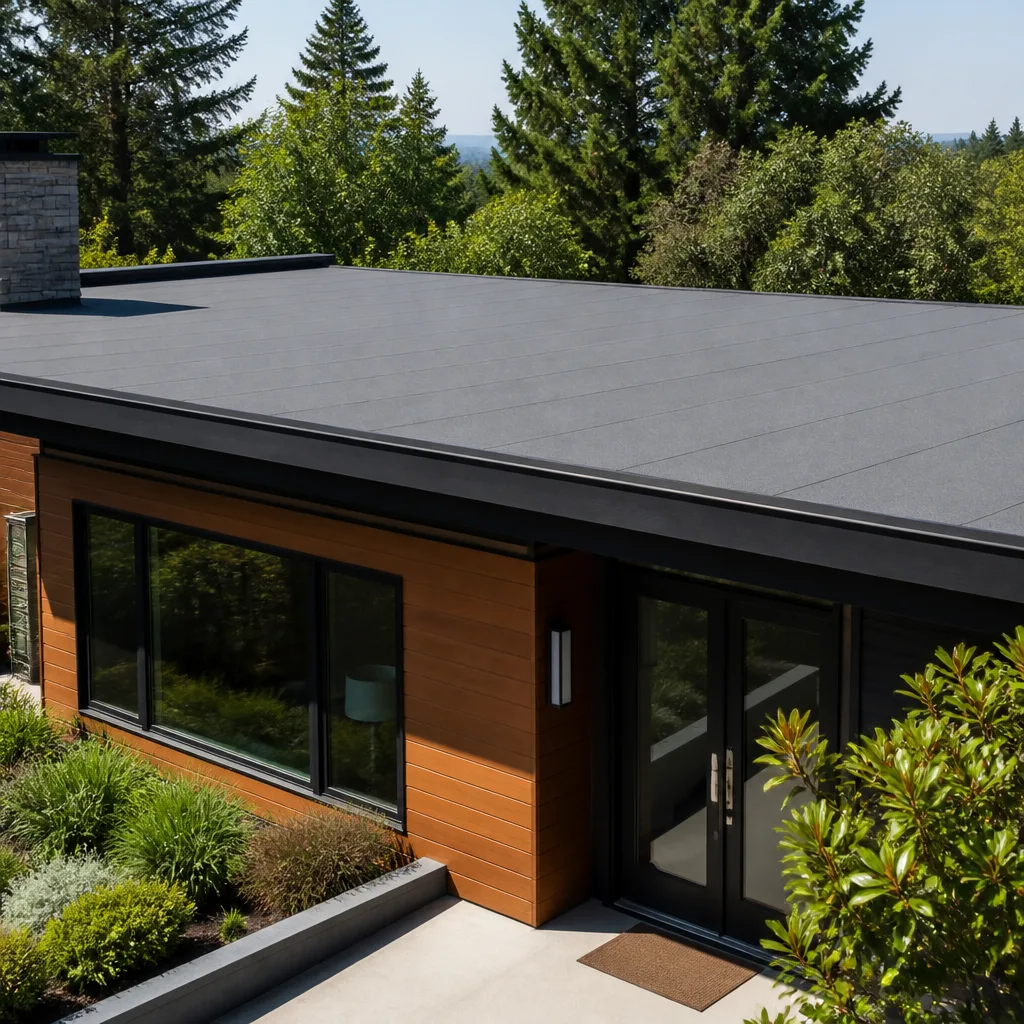 Flat & low-slope
Free roof inspection with deck photos before we talk money - GAF and Owens Corning certified installation
Choosing the Right Roofing Brand: A Buyer’s Guide for Moreno Valley
Seven of the major roofing manufacturers sell products rated for “high UV environments” – but the testing protocols behind those ratings vary enough that two shingles with identical warranty language can perform measurably differently on a Moreno Valley roof after five summers. Most homeowners never learn this because they pick a brand the way contractors want them to: by accepting whatever the contractor happens to stock. This guide breaks down what actually differs between the major shingle manufacturers, how those differences play out under Inland Empire sun, and how to ask for the right product instead of the default one. For a deeper dive, see The Complete Guide to Roofing in Moreno Valley.
Styles & brands we work with
Quick Answer
The best roofing brand for a Moreno Valley home is the one matched to your specific exposure, budget, and longevity goals – not whatever single brand a contractor happens to push. GAF, CertainTeed, Owens Corning, and Boral all make products rated for high-UV climates, but they differ meaningfully in granule composition, polymer modification, and how their warranties actually respond to heat-related degradation claims. A brand-agnostic contractor who can explain those differences in plain language is worth more than any single manufacturer’s marketing.
Table of Contents
- Why the Brand Question Matters More in Moreno Valley Than Most Places
- What the Major Brands Actually Differ On
- Matching Brand and Product Line to Moreno Valley Conditions
- What Manufacturer Warranties Actually Cover in Practice
- Why Your Contractor’s Brand Relationship Matters (And How to Ask About It)
- How to Verify the Product Being Installed Is the Product You Quoted
- A Straightforward Brand Comparison for Moreno Valley Homeowners
- Common Mistakes to Avoid
- When to Call a Professional
- Frequently Asked Questions
- The Bottom Line
Why the Brand Question Matters More in Moreno Valley Than Most Places
Moreno Valley sits in a climate band that punishes roofing materials harder than most of the country realizes. We’re talking about 280-plus days of sun per year, summer roof surface temperatures that routinely exceed 160 degrees Fahrenheit, and a thermal cycle pattern where your shingles bake all day and then contract sharply after sunset. Add the Santa Ana wind events that gust through the Badlands and you have a combination that exposes the real differences between shingle formulations faster than almost any other residential market in California.
This matters because shingle manufacturers formulate products for national distribution. A shingle designed to perform in Seattle’s rain or Minneapolis’s freeze-thaw cycles is not necessarily optimized for what a roof endures in Sunnymead Ranch or Hidden Springs. The granule adhesion chemistry, the asphalt blend, and the polymer modification each respond differently to sustained UV exposure and thermal cycling. When you pick a brand, you’re really picking a material technology – and some technologies hold up better under Riverside County sun than others.
We’ve torn off roofs in Moreno Valley where the shingles were only eight years old and the granules were already washing into the gutters. We’ve also seen 15-year-old roofs with granular loss so minimal they could pass for five. The difference was rarely installation. It was material formulation matched to the environment. That’s why the brand conversation deserves more attention than it usually gets.
What the Major Brands Actually Differ On
Strip away the marketing and there are four things that genuinely separate the major manufacturers: granule composition and coating, SBS polymer modification, mat construction, and warranty enforceability. Here’s what each actually means for your roof.
Granule Composition and Ceramic Coating
Roofing granules aren’t just colored rocks. They’re ceramic-coated mineral particles, and the coating formulation determines how well they resist UV fading, how tightly they bond to the asphalt, and how long they stay on the shingle. CertainTeed and Owens Corning both invest heavily in granule coating technology – CertainTeed with its proprietary granule sealants and Owens Corning with its hallmark copper-infused granules that inhibit algae growth. GAF uses a slightly different approach with its Advanced Protection shingle technology, focusing on the asphalt-to-granule bond. In a high-UV market like Moreno Valley, granule retention is the first visible sign of thermal aging – and it’s the most common warranty claim denominator.
SBS Polymer Modification
SBS (styrene-butadiene-styrene) is a rubber-like polymer added to shingle asphalt to improve flexibility, impact resistance, and fatigue life. Some manufacturers use SBS-rich formulations across their premium lines – Malarkey is the most notable, but GAF and CertainTeed both offer SBS-modified options in their higher-end architectural shingle tiers. Standard oxidized asphalt shingles without significant SBS modification get brittle faster under thermal cycling. In Moreno Valley, where your roof surface swings through a 60-to-80-degree temperature range every single day during summer, that brittleness translates to faster cracking around fasteners and at the shingle edges.
Mat Construction
The fiberglass mat is the structural backbone of any modern asphalt shingle. Heavier mats in premium lines tend to resist tear in high winds and hold fasteners more securely. This matters in Moreno Valley because of the Santa Ana events. A shingle with a beefed-up mat – CertainTeed’s Landmark Pro or Owens Corning’s Duration series both use enhanced mats – will typically withstand a few more wind cycles before the fastener pull-through starts. It’s not a dramatic difference, but it’s real, and it shows up after 8 to 10 years of repeated wind exposure.
Warranty Enforceability
And then there’s what happens when you file a claim. More on this below, but here’s the short version: manufacturer warranty promises are only as good as the claims process, and claims processes are only as good as the documentation trail. Manufacturers know this. GAF and CertainTeed have largely moved to objective, wind-speed-limited, defect-based warranties. Malarkey and IKO offer different terms. Understanding what’s actually enforceable before you’re in a claim dispute is part of brand selection.
Matching Brand and Product Line to Moreno Valley Conditions
Here’s the honest framework. Match the product line, not just the manufacturer, to these three Moreno Valley conditions: sustained UV load, thermal cycling, and intermittent high-wind events.
Sustained UV Load: This is the daily grind that fades granules and oxidizes asphalt. Look for shingles with enhanced granule adhesion and UV-stable asphalt formulas. In our experience across Moreno Valley roofs, shingle lines with SBS modification hold up measurably better to multi-season UV exposure than their non-modified counterparts. If your home has full south or west exposure – common in newer Moreno Valley subdivisions where homes face the Box Springs foothills – this becomes more important, not less.
Thermal Cycling: The roof surface going from 160 degrees at 3 p.m. to 75 degrees at 4 a.m. is what causes microscopic cracks to form in oxidized asphalt. SBS modification directly addresses this by keeping the asphalt more flexible at lower temperatures. If you’re choosing between a premium SBS-modified shingle and a standard architectural shingle, and your home is in a full-sun area without shade canopy, the premium line typically earns its price difference through fatigue resistance alone.
High-Wind Events: Santa Ana winds in Moreno Valley gust through the San Gorgonio Pass and hit neighborhoods like Canyon Springs and the areas north of the 60 freeway with genuine force. For this, you want shingles rated for high wind – but more importantly, you want a nail pattern and underlayment system that meets or exceeds the manufacturer’s high-wind installation requirements. The brand’s wind rating means nothing if the installer doesn’t follow the nail count and pattern specified for that rating. This is one of the most common failure points we find during Roof Inspection in Moreno Valley visits.
Put it together: for a typical Moreno Valley single-family home with moderate sun exposure, a mid-to-premium architectural shingle with SBS modification and a 130 mph wind rating covers the realistic worst cases. For a home with heavy southern exposure and no shade, the premium tier earns its keep. For a rental property or a home you’re selling soon, a solid mid-range architectural line does the job without overbuilding.
What Manufacturer Warranties Actually Cover in Practice
Here’s the uncomfortable truth that shingle manufacturers would rather not lead with: the “lifetime” warranty on most architectural shingles is a pro-rated material warranty that declines in value from day one of year 11. It covers manufacturing defects, which is a narrow category. It does not cover installation errors, which cause a huge share of real-world roof failures. And in high-heat markets like Moreno Valley, heat-related granule loss and thermal cracking claims are where warranty language gets murky.
The way most warranties actually work:
- Years 1 through 10: Full replacement value for confirmed manufacturing defects. This window is the easiest claim period.
- Years 11 through 30-ish: Pro-rated reimbursement, declining on a straight-line or stepped schedule. The check shrinks every year.
- After the pro-ration window: Minimal to no compensation, even if the “lifetime” language suggests otherwise.
For heat-related granule loss specifically, here’s what you need to know. Most manufacturers exclude “normal weathering” – and in a desert-inland climate, they’ll argue that granule loss after 8 to 10 years is normal weathering unless you can demonstrate the loss was excessive compared to industry standards. That’s a high bar. GAF and CertainTeed both have language about granule loss coverage in their premium lines, but the practical threshold for a successful claim is severe, visible loss that compromises the shingle’s integrity – not cosmetic fading.
This is why we tell Moreno Valley homeowners that the warranty is a data point, not a decision-maker. A robust 10-year full-coverage period from any major manufacturer is worth more than 30 years of pro-rated coverage that pays pennies on the dollar when you finally need it. Read the actual warranty document, not the marketing summary.
Why Your Contractor’s Brand Relationship Matters (And How to Ask About It)
Every roofing contractor has a brand preference. Sometimes that’s because they genuinely believe one manufacturer makes a better product for local conditions. Often it’s because they’re enrolled in a manufacturer’s preferred-contractor program and their pricing, incentives, and rebates are tied to volume with that brand. Neither reason makes them dishonest – but it does mean their recommendation is shaped by something other than your specific roof.
Here’s how to ask a contractor to justify a brand recommendation without turning it into an interrogation:
- “What do you install most often, and what does that manufacturer give you that the others don’t?” This directly surfaces the program-incentive question. A contractor who can answer with real material differences is worth listening to. One who says “well, it’s what we’ve always used” is telling you their preference is habit, not expertise.
- “If I was comparing this to [common alternative], what’s the real difference in granule retention or SBS formulation?” You’re testing whether they understand the material science, not just the brochure points. If they can’t speak to formulation, their brand pitch is coming from a sales script.
- “What would you put on your own roof in this neighborhood?” This is the question that cuts through the program stuff. A roofer who would put a different product on their own home than they’re quoting you is worth probing.
This is exactly why we made a specific operating decision at Moreno Valley Roof Repair home: we install and supply from seven manufacturers – GAF, CertainTeed, Owens Corning, IKO, Atlas, Tamko, and Boral – specifically so our brand guidance is driven by your roof’s conditions, not by whichever rebate program we’re chasing this quarter. When a contractor is genuinely brand-agnostic, the brand conversation stops being about their margin and starts being about your roof.
How to Verify the Product Being Installed Is the Product You Quoted
This is the step almost no one does, and it’s the step that determines whether your brand research actually matters. You can spec the right shingle and still have a different product show up on your roof if you’re not checking. Here’s the verification process we recommend:
- Check the delivery manifest against your contract. When the shingles are delivered, the pallets on the truck should match the brand and product line listed on your proposal. Look at the paper, not the conversation. The manifest says “GAF Timberline HDZ” or “CertainTeed Landmark” – or it doesn’t.
- Look at the packaging, not just the pallet wrap. Shingle bundles carry printed brand and product-line identification on every bundle. If the contractor removed the outer pallet wrap, the individual bundles still tell the story. The product line name is printed right on the bundle wrapper.
- Confirm the shingle color matches your order. Different color lots from the same manufacturer can look different, and a mismatched color on your roof is one of the most avoidable installation disappointments. Check the color code on the bundle against your contract before the first shingle goes down.
- Watch the first course or ask for a photo. You don’t need to hover over the crew, but a quick visual on the first installed course – or a photo if you’re not home – confirms the product on the roof matches the product on the contract. This is a five-minute check that prevents a much longer conversation later.
The homeowners who do these checks rarely end up in product-substitution disputes. The ones who don’t are vulnerable to an unverifiable claim if the roof fails early. A contractor who’s insulted by your verification is probably not someone you want on your roof anyway.
A Straightforward Brand Comparison for Moreno Valley Homeowners
Here’s where the major brands land in practical terms for a Moreno Valley roof, based on what we see in the field. This is not a ranking of “best” – it’s a calibration of what each brand’s strengths actually deliver in this specific climate.
GAF
GAF’s Timberline line is the volume leader in American roofing, and for good reason: consistent formulation, strong distribution, and a contractor network that makes material availability predictable. In Moreno Valley, GAF’s mid-to-premium architectural shingles perform well against UV, and their wind ratings hold up under Santa Ana stress when installed to spec. The GAF warranty structure is one of the more transparent in the industry, which matters when heat-related claims come up.
CertainTeed
CertainTeed positions itself in the premium tier for a reason. Their granule coating technology and mat construction are consistently at or above the industry standard for durability under sustained heat. CertainTeed’s Landmark and Landmark Pro lines are common choices on higher-end Moreno Valley homes, and in our experience they retain granules visibly longer than average in full-sun exposures. You pay for that performance – but if you’re planning to stay in the home, it’s money that shows up in year 12.
Owens Corning
Owens Corning’s Duration series brings their copper-infused granule technology to the fight, which has real value in Moreno Valley’s occasional damp winters where algae can get a foothold on shaded north slopes. The Duration line also uses their SureNail technology – a fabric reinforcement strip in the nailing zone that improves fastener retention, which helps with wind resistance. For homes in Moreno Valley’s hillier areas or canyon-adjacent lots, that’s a practical advantage.
Boral
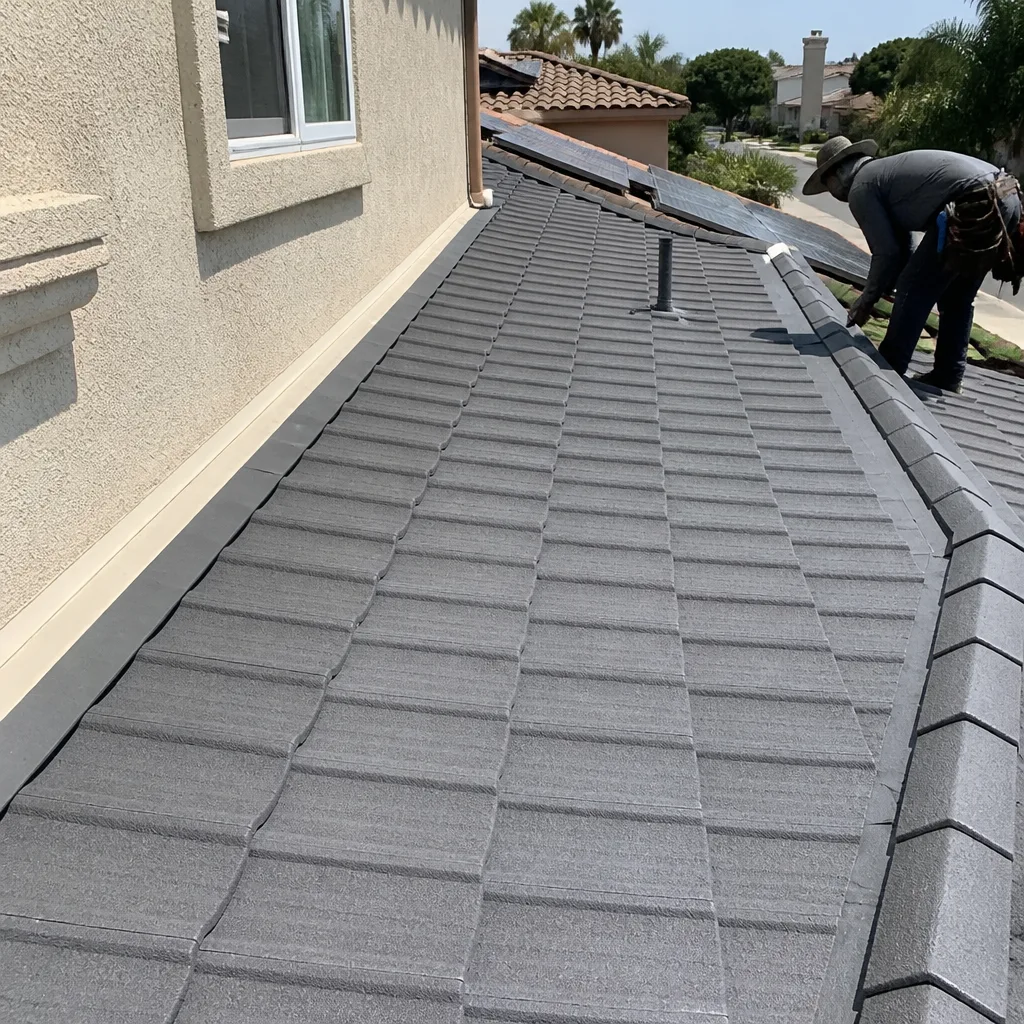
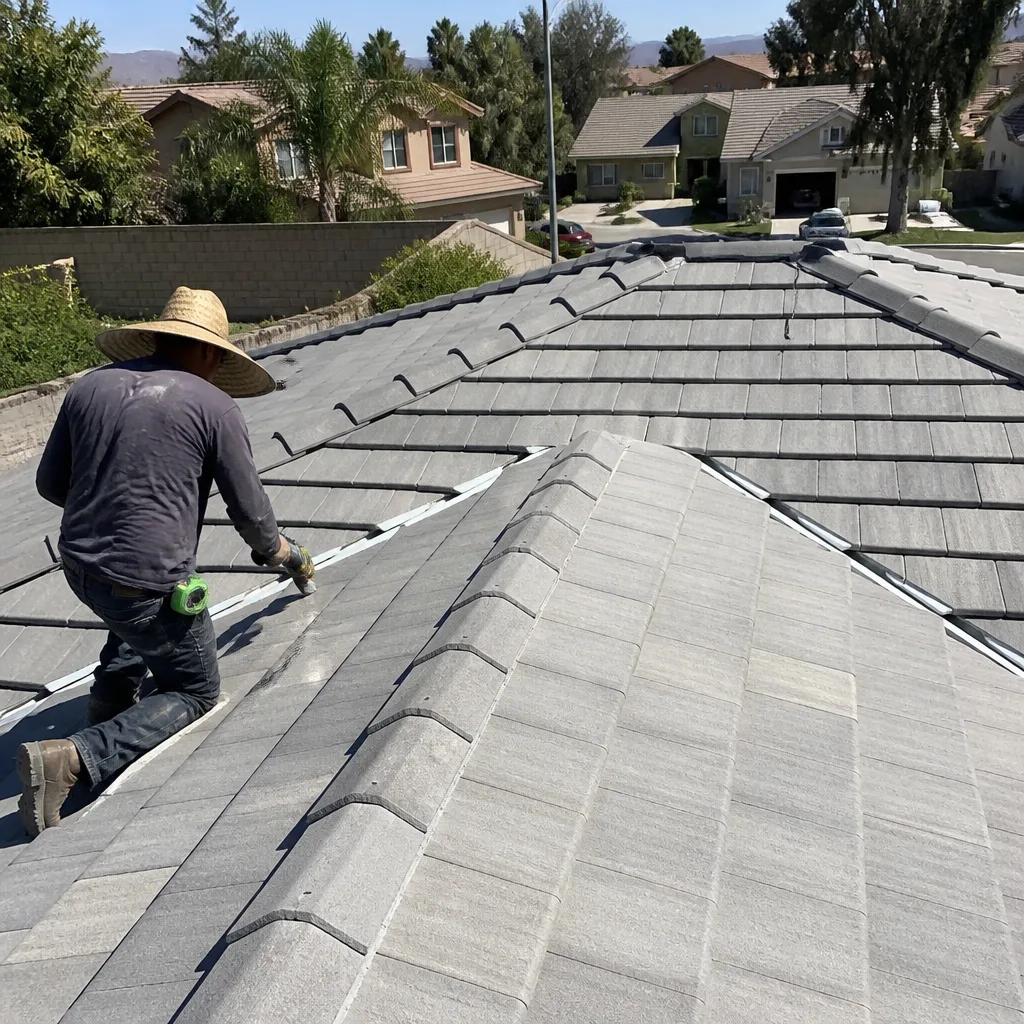
Boral represents a different material category entirely. Their roofing products lean heavily into concrete and clay tile, which is a common sight on Moreno Valley homes built in the 1990s and earlier in Spanish or Mediterranean architectural styles. If your home already has tile, Boral is a solid replacement option – tile has excellent UV resistance and thermal mass properties that can actually help with attic heat gain. If you’re considering a tile-to-shingle conversion or vice versa, that’s a conversation where the Roof Replacement in Moreno Valley scope discussion matters more than the brand discussion.
The throughline across all four: a well-matched product line from any of these manufacturers, installed correctly, will outperform a premium product installed badly. Brand matters, but it matters less than the person putting it on your roof.
Common Mistakes to Avoid
- Picking a brand before understanding your roof’s exposure. A full-sun south-facing roof in Moreno Valley has different material needs than a shaded north slope. Start with the exposure, then match the brand.
- Buying the warranty instead of the shingle. A 30-year pro-rated warranty from a value brand often pays less in year 15 than a 10-year full-coverage warranty from a premium brand. Do the actual math.
- Assuming all “lifetime” shingles are the same. Within a single manufacturer, the difference between their base architectural line and their premium SBS-modified line can be bigger than the difference between two competing brands.
- Letting the contractor pick the brand without questioning why. If they’re volume-locked to one manufacturer’s program, they’re making a decision about their rebates, not your roof.
- Skipping the install-day product check. You can do all the research and still have the wrong product delivered. Five minutes of verification prevents a 15-year dispute.
- Replacing when repair would solve the problem. A failing roof section doesn’t always mean total replacement. Before spending on a full re-roof, a Roof Inspection in Moreno Valley can tell you whether Roof Repair in Moreno Valley is the smarter spend.
- Ignoring the underlayment and flashing conversation. The best shingle in the world fails early with bad flashing. Brand research is wasted if the supporting system isn’t spec’d right.
When to Call a Professional
If you’re seeing granule loss in your gutters, shingles curling at the edges, or visible cracking on a roof that’s more than 10 years old, don’t wait for a leak. These are the early-warning signs of heat fatigue in Moreno Valley, and they’re the point where a professional assessment can tell you whether you have five years of life left or one good Santa Ana season. If you’re buying or selling a home, a pre-transaction inspection from an unaffiliated roofer gives you a number to negotiate with. And if you’re facing down a brand decision with no firm data on what your roof actually needs, start with the inspection – not the estimate. Moreno Valley Roof Repair offers free estimates in Moreno Valley – call (866) 217-3967.
Frequently Asked Questions
The best brand for a Moreno Valley home depends on your roof’s sun exposure, wind exposure, and your longevity goals. GAF, CertainTeed, Owens Corning, and Boral all make product lines that perform well in high-UV, high-thermal-cycling climates, but the specific product line within each brand matters more than the manufacturer name. Match the shingle formulation – SBS modification, granule coating, and mat construction – to your roof’s actual conditions rather than choosing based on brand reputation alone. Call (866) 217-3967 and we’ll help you sort through the options for your specific roof.
The main difference is in granule coating technology and mat construction. CertainTeed’s premium lines typically use enhanced granule sealants and heavier mats, which we’ve seen translate to better long-term granule retention in full-sun Moreno Valley exposures. GAF’s strength is formulation consistency and a more transparent warranty structure. Both are excellent choices when matched to the right product tier. Call (866) 217-3967 for a material comparison specific to your roof.
Most “lifetime” warranties are pro-rated after year 10, and heat-related granule loss claims typically require proof of excessive loss beyond “normal weathering” – a bar that manufacturers in high-UV markets often contest. The years 1 through 10 full-coverage window is the real protection. Read the warranty document, not the marketing summary, before making a brand decision. Call (866) 217-3967 to discuss warranty realities before you buy.
Tile roofs from Boral and similar manufacturers offer excellent UV resistance and can help regulate attic temperatures through thermal mass. However, tile is heavier, more expensive to install, and requires proper structural support. For homes already built for tile, it’s often a strong choice. For homes currently framed and sheathed for shingles, the cost of conversion usually outweighs the benefit. Call (866) 217-3967 for a scope discussion specific to your home.
Check the delivery manifest against your contract, verify the bundle packaging shows the correct brand and product line, confirm the color code matches your order, and visually confirm the first installed course. These checks take five minutes and prevent product-substitution disputes. Any legitimate contractor will be comfortable with this level of transparency. Call (866) 217-3967 if you want a second opinion on a roof currently being installed.
Architectural shingle roof costs in Moreno Valley vary based on roof size, pitch, tear-off requirements, and the product tier you select. Mid-range architectural shingles from GAF, CertainTeed, or Owens Corning will land in a different range than their premium SBS-modified lines. The most accurate number comes from a site visit and measurement. Call (866) 217-3967 for a free estimate with exact pricing for your roof’s specific scope.
The Bottom Line
Most Moreno Valley homeowners never actually choose their roofing brand – they accept whatever their contractor’s volume program happens to push. You now know better. The right brand is the one with a product line that matches your roof’s specific sun exposure, thermal cycling patterns, and wind load – not the one with the best marketing. Verify what you quoted on install day. Read the warranty that actually exists, not the one on the brochure. And when you’re not sure what your roof actually needs, start with an inspection, not an estimate. Explore more guides & resources to protect your investment. Seven leading brands, one straightforward recommendation: the one that fits your roof, your home, and your timeline.
Written by the team at Moreno Valley Roof Repair, serving Moreno Valley since 2013.
See the difference
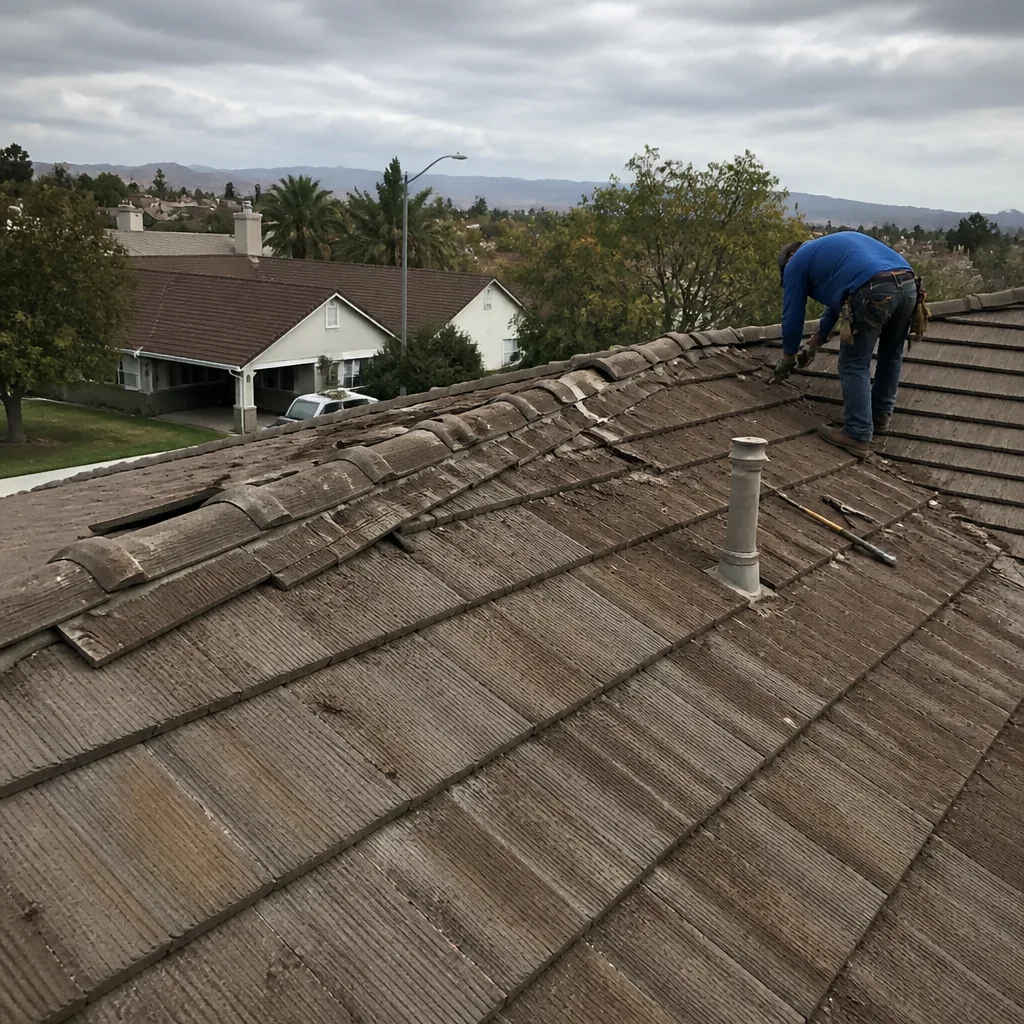 Before
 After
 Before
 After
 Before
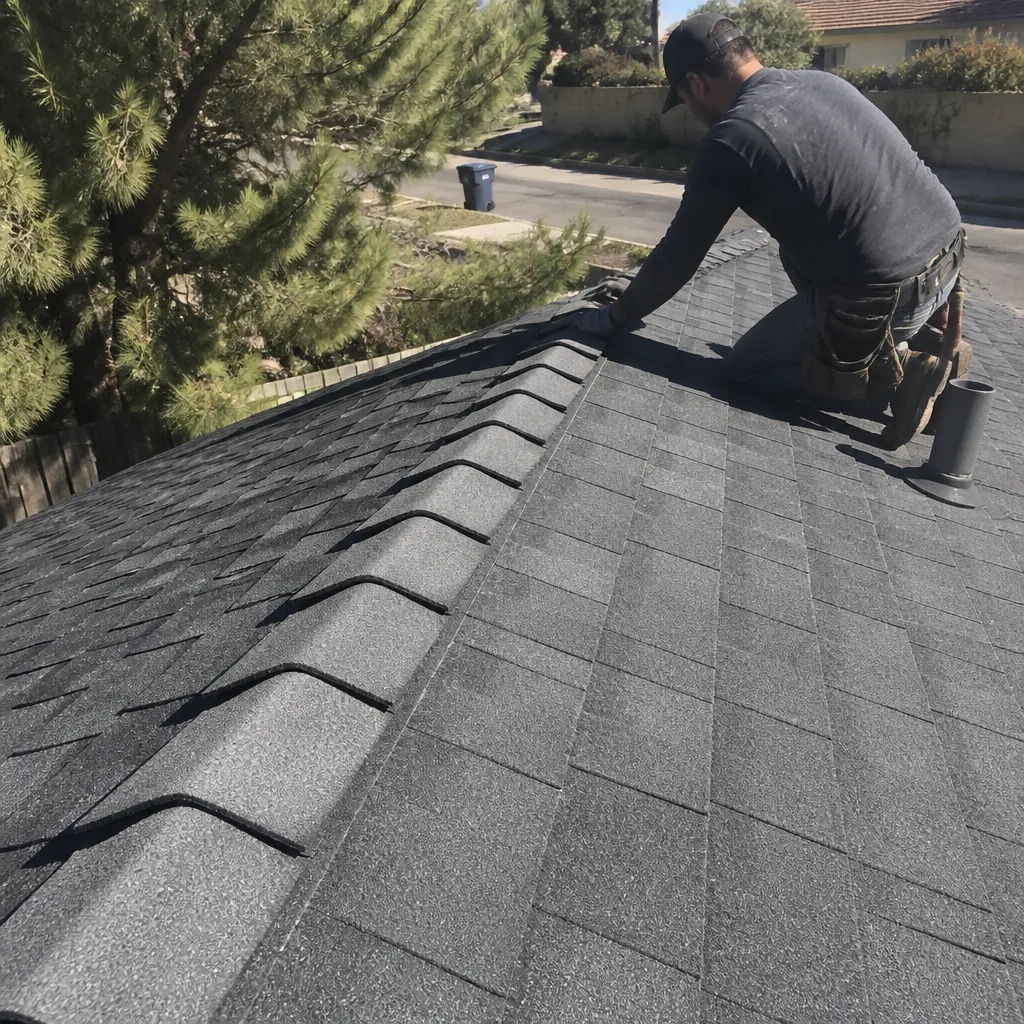 After