
Last updated October 30, 2026
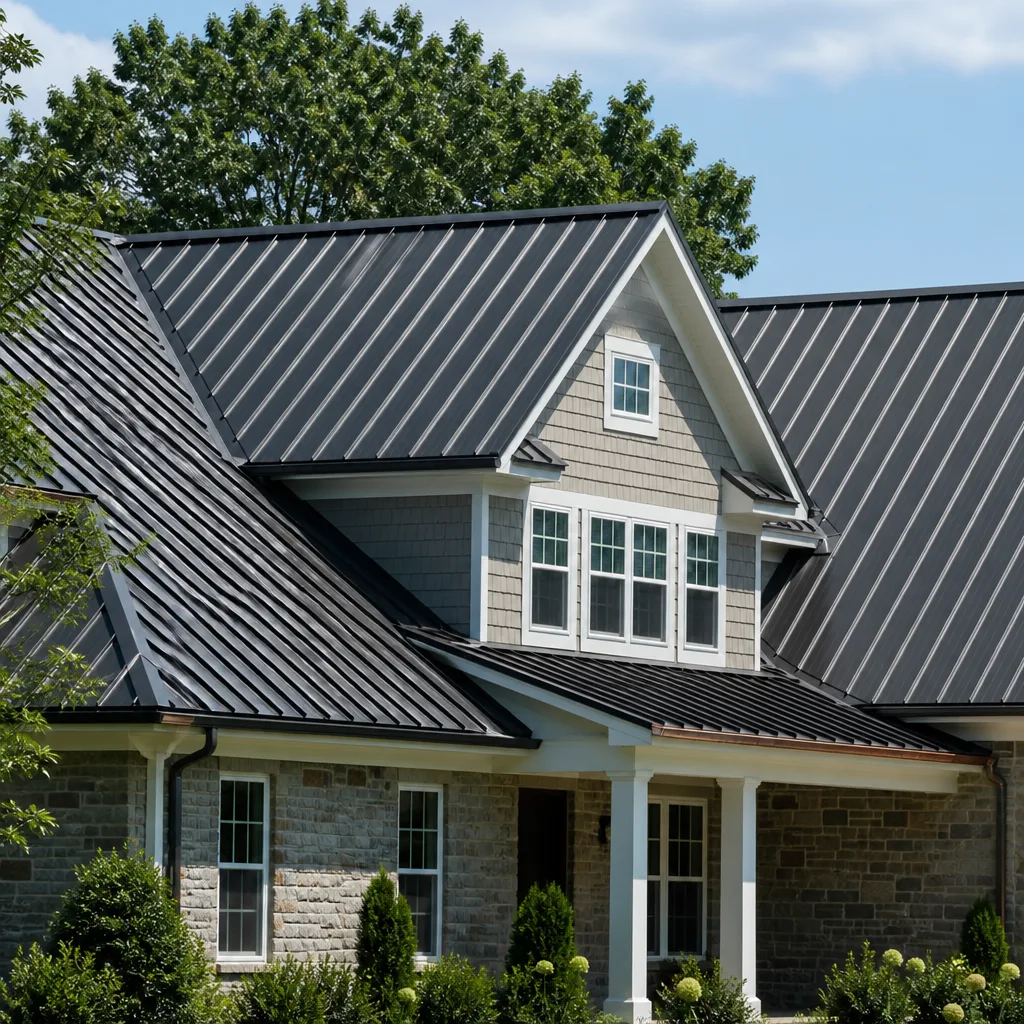 Metal roofing
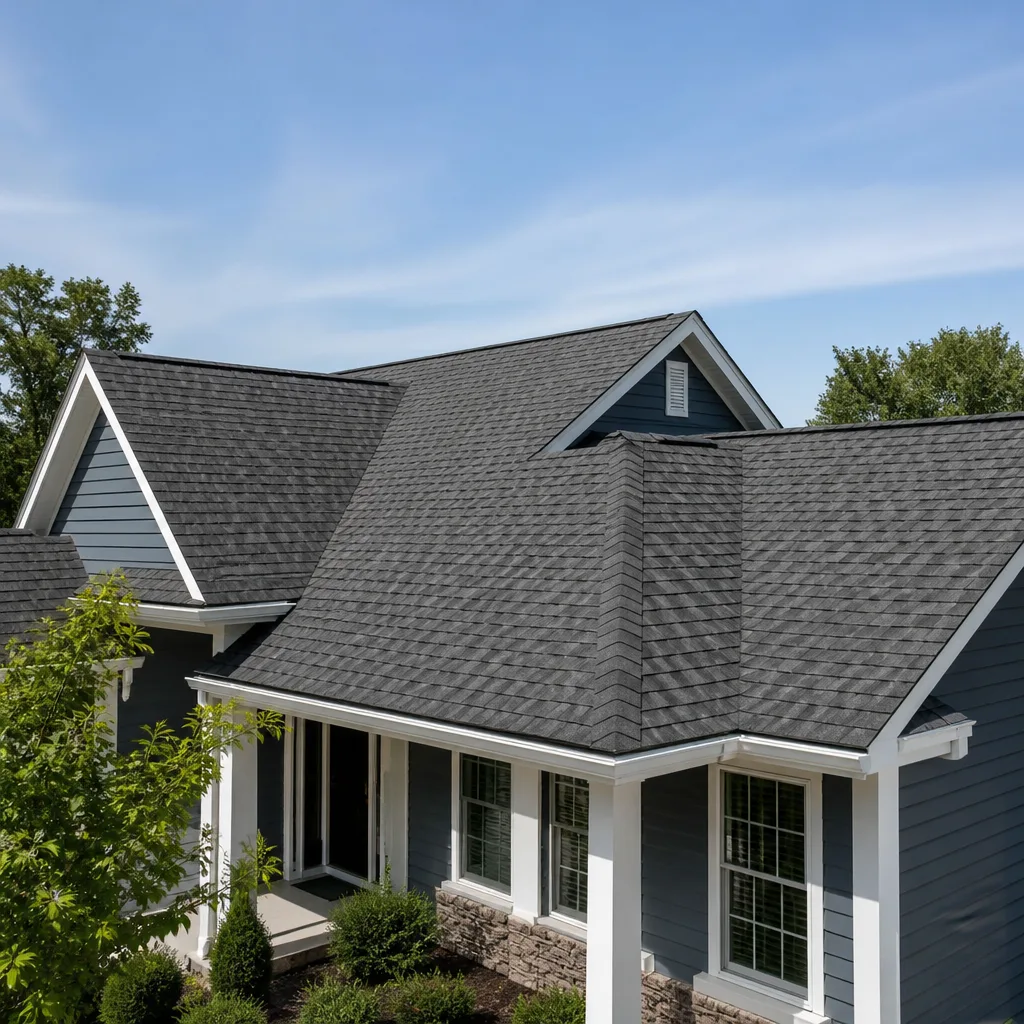 Architectural shingles
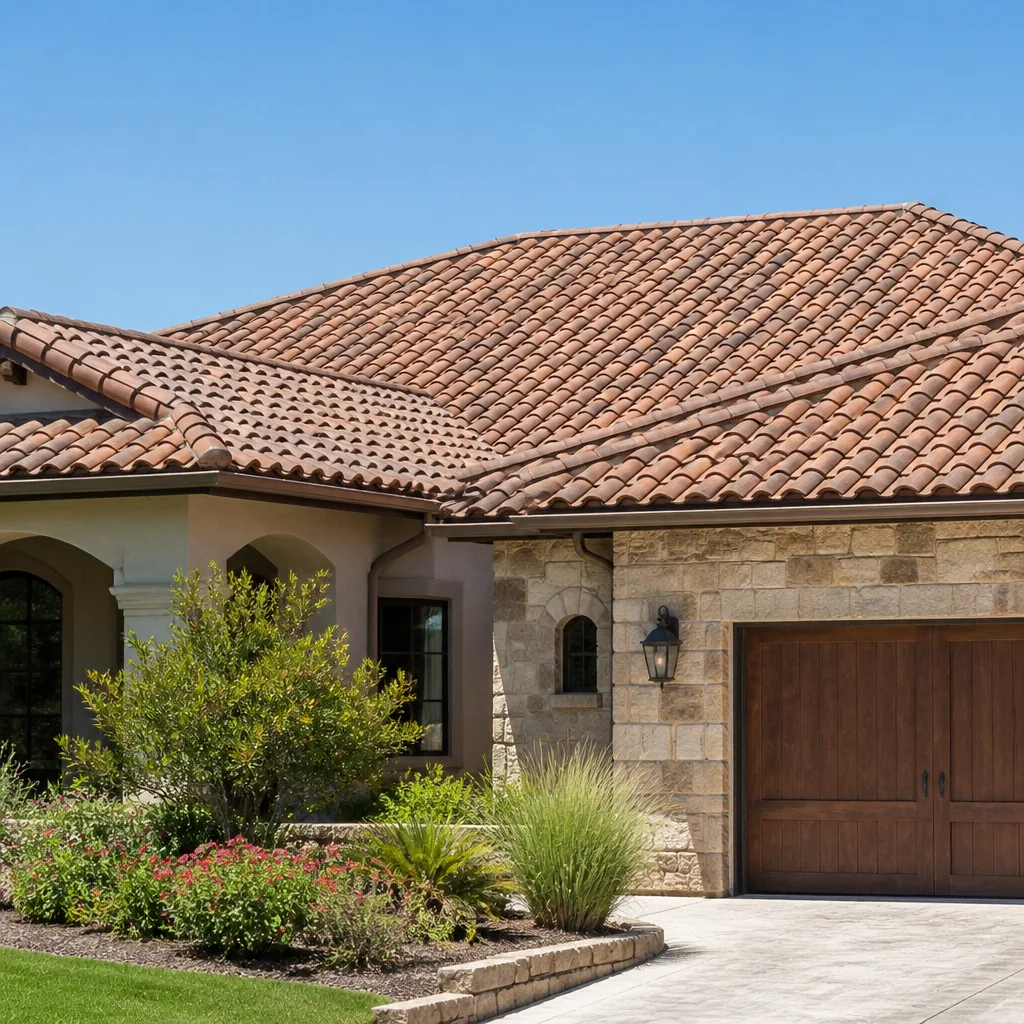 Tile roofing
 GAF
 Owens Corning
 Flat & low-slope
Free roof inspection with deck photos before we talk money - GAF and Owens Corning certified installation
Roofing Warning Signs: A Moreno Valley Homeowner’s Reference Guide
A dark ceiling stain can mean active water intrusion, or it can mean a leak that was fixed three years ago and never got repainted. The difference matters more than most homeowners realize, and a contractor who doesn’t distinguish between those two things before recommending work is telling you something important about how they operate. Most roofing guides treat every symptom as equally urgent and equally expensive. That approach causes two problems: homeowners either ignore everything until a ceiling caves in, or they panic and replace a roof that had five good years left. This guide sorts Moreno Valley roof problems by what they’re actually telling you and how much time you realistically have to act. You’ll learn which signs mean schedule an inspection at your convenience, which mean book a repair this month, and which mean get someone on the roof this week.
Quick Answer
The most common roof warning signs in Moreno Valley are curling or cracked shingles, granule loss visible in gutters, dark stains on ceilings or walls, and separated flashing around chimneys, skylights, and vents. The urgency depends on what’s causing the symptom and where your roof is in its lifespan. Granule loss on a 15-year-old roof in direct Moreno Valley sun is a different problem than granule loss on a 5-year-old roof. The smart first step for any warning sign is a professional roof inspection that separates active leaks from old stains, cosmetic wear from structural damage, and repair needs from replacement needs. Call (866) 217-3967 for a free estimate in Moreno Valley.
Styles & brands we work with
Table of Contents
- Granule Loss: Normal Wear vs. Accelerated Degradation
- Interior Warning Signs Specific to Moreno Valley Homes
- Flashing Separation: What It Looks Like and What It Means
- Santa Ana Wind Damage You Can’t See From the Street
- The Decision Framework: Inspection, Repair, or Emergency
- Shingle Curling and Cracking: Timing Your Response
- Attic Heat and Ventilation: The Early Warning System
- Common Mistakes to Avoid
- When to Call a Professional
- Frequently Asked Questions
Granule Loss: Normal Wear vs. Accelerated Degradation
Granules are the crushed stone particles embedded in the surface of asphalt shingles. They protect the asphalt layer underneath from UV radiation, which in Moreno Valley is relentless. About 280 sunny days per year with summer highs routinely crossing 100 degrees means your roof’s granule layer is working harder than roofs in coastal cities. So when you clean your gutters and find a thin layer of granules at the bottom, that’s not automatically a problem. Some granule loss is expected as shingles settle and shed during their first year after installation. The question is how much loss, and when in the roof’s life it’s happening.
Here’s how to tell the difference:
- New roof, light granule residue in gutters: Normal. Shingles shed excess surface granules during installation and the first few rainfalls. You’ll see this most after the first big storm following a new roof install.
- Mid-life roof, steady but small accumulation: Expected wear. A roof at year 8 or 10 in Moreno Valley sun will shed some granules, especially on south-facing and west-facing slopes that take the brunt of afternoon heat.
- Any age roof, thick piles of granules accumulating at downspout outlets: Accelerated loss. This signals the shingle’s asphalt layer is breaking down faster than it should be, and UV exposure is beginning to win.
- Bald patches or visible asphalt on shingle surfaces: Active degradation. The shingle is no longer protected. This roof needs professional assessment.
Here’s the Moreno Valley factor most guides miss: our heat accelerates granule loss on roofs that face south or west, and on homes with poor attic ventilation. Two identical roofs installed the same year in the same Moreno Valley neighborhood can age completely differently depending on attic airflow and sun exposure. We’ve inspected roofs where one slope showed significant granule loss while the other slope looked nearly new. That’s not a manufacturer defect – it’s a ventilation or orientation issue that a good inspection can identify.
One more thing about granules: they don’t shed evenly across brands. CertainTeed and Owens Corning shingles use different granule embedment processes, and some older IKO and Atlas products had different loss rates under extreme heat. If you’re seeing unusual granule loss early in your roof’s life, the next step is a Roof Inspection in Moreno Valley to determine whether it’s within normal tolerance or a sign of premature aging.
Interior Warning Signs Specific to Moreno Valley Homes
Most roofing guides tell you to look for water stains on the ceiling. That’s fine, but it’s about 30% of the picture. In Moreno Valley, where the air is dry and the heat is intense, interior warning signs show up in ways that have nothing to do with a dripping leak.
Efflorescence on Masonry Walls
Efflorescence is the white, chalky residue that appears on brick, stucco, or block walls. It happens when water moves through masonry and evaporates on the surface, leaving mineral deposits behind. On Moreno Valley homes, efflorescence near the roofline or around wall-to-roof junctions often signals a failing roof-wall flashing, not a plumbing issue or a stucco problem. The water is traveling down from the roof edge, behind the stucco or brick, and working its way out. By the time you see the white staining, the flashing has been allowing moisture intrusion for weeks or months. This is one of the most commonly misdiagnosed roof problems in Moreno Valley because the visual evidence shows up on walls, not ceilings.
Attic Heat That Feels Wrong
Go into your attic on a 90-degree Moreno Valley afternoon. If the heat is so oppressive you can’t stay up there for 60 seconds, that’s not just normal attic heat. That’s failed or insufficient ventilation. Roofs in Moreno Valley need properly balanced intake and exhaust ventilation – soffit vents pulling in cooler air, ridge vents or roof vents expelling hot air. When that system breaks down, attic temperatures can reach 140 degrees or higher. That heat doesn’t stay in the attic. It radiates down into your home, pushes your air conditioning harder, and cooks your shingles from below, which accelerates granule loss and curling. If your energy bills have climbed steadily over two or three summers and your AC runs constantly without holding temperature, your roof’s ventilation system should be on the suspect list.
Dark Streaks on Ceilings, Even Without Dripping
Not every ceiling stain means an active leak. The dark, tea-colored rings you see around ceiling penetrations may be from a leak that was repaired years ago and never repainted. Here’s the difference: active leaks typically show as soft, damp spots that grow after rain and may feel cool or spongy to touch. Old leak stains are dry, hard, and don’t change size. If you’re uncertain which category yours falls into, mark the edges of the stain with a pencil and check back after the next rain. No growth means the leak is likely dormant. Growth means active water. Either way, a Roof Repair in Moreno Valley professional can confirm what’s happening and what needs to happen next.
Mildew Smell in Closed-Up Rooms
Moreno Valley’s dry heat doesn’t produce the same musty atmosphere as coastal climates, which means when you do smell mildew in a closed room during summer, it’s significant. A mildew odor in a bedroom or hallway that only appears when the house is closed up and the AC is running often traces back to a slow roof leak that’s wetting insulation. The insulation holds moisture, and that moisture supports mold growth even in our dry climate because the affected area creates its own micro-humidity. This is a warning sign worth acting on within weeks, not months.
Flashing Separation: What It Looks Like and What It Means
Flashing is the metal material installed at roof transitions – where the roof meets a chimney, skylight, wall, vent pipe, or HVAC curb. It’s the most common failure point on any roof, and in Moreno Valley, the patterns are consistent and predictable.
Chimney Flashing: The South-Facing Pattern
Chimneys on Moreno Valley homes take a beating. The flashing that wraps the base of the chimney expands and contracts with every temperature swing, which in a climate where daytime summer highs hit 105 and nighttime lows drop to 60 means daily expansion cycles for months on end. Over time, the sealant between flashing layers breaks down, and the metal begins to separate. You’ll see daylight between the flashing and the chimney, and after rain, you may see water staining on the interior wall adjacent to the chimney. This is not a cosmetic issue. Separated chimney flashing is an active water intrusion point.
Skylight Flashing on Moreno Valley Homes
Skylight flashing failures show up differently. Because skylights sit flush with the roofline rather than penetrating through it, the flashing around a skylight is more vulnerable to debris accumulation and UV breakdown of the rubber seals. In Moreno Valley, skylights with southern or western exposure degrade faster. You’ll see cracked or lifting sealant around the skylight frame, or you’ll notice condensation between the skylight panes. Both signal that the water seal is compromised. The repair is usually straightforward if caught early – resealing and reflashing the perimeter – but left alone, a leaking skylight can rot the decking around it within a single rainy season.
HVAC Curb and Vent Pipe Flashing
Less visible but equally important: the flashing around roof-mounted HVAC units and the rubber boots around vent pipes. The rubber boot around a plumbing vent pipe has a service life of roughly 10-15 years in Moreno Valley sun. When it splits or cracks, water follows the pipe directly into the attic. HVAC curbs collect debris, hold water after rain, and are one of the last places homeowners look. If your ceiling shows stains near the AC registers or in the hallway adjacent to where the HVAC unit sits on the roof, the curb flashing is a prime suspect.
All flashing issues share one trait: they’re classic repair scenarios, not full replacement scenarios. The shingles around a flashing failure are often in fine condition. A contractor who recommends full roof replacement when the problem is isolated flashing separation is not giving you options-based advice. We repair flashing as a standalone service when the surrounding roof is sound, and we’ll tell you honestly if that’s the case.
Santa Ana Wind Damage You Can’t See From the Street
Santa Ana winds hit Moreno Valley in the fall and winter, with gusts that regularly reach 50-70 mph in exposed areas near Box Springs Mountain and the eastern foothills. After a Santa Ana event, most homeowners glance at the roof from the driveway. If no shingles are missing, they move on. Here’s the problem: the most damaging wind effects are often invisible from the ground.
What Santa Ana Winds Actually Do to a Roof
- Shingle lift and crease: Wind gets under the edge of a shingle and lifts it. When the gust passes, the shingle falls back down, but not before developing a subtle crease or crack where it bent. From the street, the roof looks fine. Up close, you can see the crease line and the beginning of a tear.
- Seal strip breakage: Shingles on standard asphalt roofing are held down by heat-activated adhesive strips. Once those strips break, the shingle is no longer bonded to the course below it. The next wind event pulls it off completely.
- Fascia and drip edge loosening: The metal edge at the roof’s perimeter catches wind and can pull away from the decking. You won’t see this from the street, but it creates a path for water to enter the roof’s edge.
- Debris impact damage: Santa Ana winds carry tree branches, roof tiles from neighbors’ homes, and loose materials across Moreno Valley. A small branch at 60 mph can crack a shingle or dent a vent cap.
If your home experienced a Santa Ana event with gusts over 40 mph and you haven’t had the roof inspected since, we recommend scheduling a professional assessment. It doesn’t require immediate action in most cases – wind damage tends to be slower-moving than a storm leak – but you want it documented and evaluated before the next rain. A post-wind inspection costs nothing to schedule, and it gives you a clear picture of what the wind actually did. For reference, we offer Roof Inspection in Moreno Valley as a standalone service precisely for this scenario: assessment before commitment.
The Decision Framework: Inspection, Repair, or Emergency
Not every warning sign is an emergency. Not every warning sign can wait. Here’s the framework we use when talking with Moreno Valley homeowners about what they’re seeing and how quickly they need to act.
Category 1: Schedule an Inspection Within 30-60 Days
- Granule buildup in gutters that seems heavier than usual
- Curling shingles that haven’t cracked yet
- Flashing that looks loose but hasn’t separated from the structure
- Attic heat that feels excessive
- Elevated cooling bills without another explanation
- Old dark ceiling stains that haven’t grown
These signs mean something is starting to happen, but you have time to evaluate options. Get an inspection, understand what you’re dealing with, and plan the next step on your schedule, not an emergency schedule.
Category 2: Schedule a Repair Within 2-4 Weeks
- Visible flashing separation around a chimney or skylight
- Cracked or torn shingles after a wind event
- Mildew smell in closed rooms
- Water staining that grows slightly after rain
- Any sign of roof-wall junction failure, including efflorescence
These are active but slow-moving problems. Repair sooner rather than later prevents the damage from spreading into decking, insulation, and interior finishes. A repair in this window typically costs hundreds of dollars. The same problem ignored for six months becomes thousands.
Category 3: Get Someone on the Roof Within 7 Days
- Active dripping or water entering the living space during rain
- Soft or spongy ceiling areas
- Visible daylight through the roof decking from inside the attic
- Sagging roofline
- Large sections of shingles missing after wind
These are structural emergencies. Water is entering your home, and every day of delay increases the repair scope. Call a professional immediately and stop the intrusion.
Shingle Curling and Cracking: Timing Your Response
Shingle curling is one of the clearest signs of roof aging, but it comes in stages, and the stage matters. A slightly curled shingle edge on a 15-year-old roof in Moreno Valley is not an emergency. A deeply curled, cracked, brittle shingle on that same roof is a roof entering its final years.
Here’s the progression we see consistently on Moreno Valley roofs:
- Early curl (year 8-12): Shingle edges lift slightly, especially in the heat of the afternoon. The adhesive strips are beginning to weaken. No visible cracking. The roof still sheds water correctly.
- Moderate curl (year 12-15): Edges lift noticeably and stay lifted. Cracks begin at the corners. South-facing slopes show more progression than north-facing slopes. This roof has 3-5 years of service life left if no other issues are present.
- Deep curl and cracking (year 15+): Shingles are brittle, visibly curled, and cracked through the mat. Water can work under the curled edges and penetrate the decking. This roof is due for replacement.
The key variable is ventilation. A poorly ventilated Moreno Valley roof in full sun can hit stage three by year 12. A well-ventilated roof with the same shingles can still be in stage one at year 15. Same shingles, same neighborhood, different outcomes. If you’re seeing curling and you’re not sure what stage your roof is in, the fix is an inspection, not a guess.
One more consideration: when replacement time comes, you have material options. We work with seven major manufacturers – including CertainTeed, Owens Corning, IKO, Atlas, Tamko, GAF, and Boral – so the conversation about your replacement roof is grounded in what’s right for your home and budget, not what we happen to stock. An Owens Corning Duration shingle and a CertainTeed Landmark shingle are both solid choices, but they handle Moreno Valley heat slightly differently. We’ll walk through the real differences before you commit to anything.
Attic Heat and Ventilation: The Early Warning System
Your attic is the first place roof problems show up, and it’s the one place most Moreno Valley homeowners never look. That’s a problem, because attic conditions can warn you about shingle failure years before the shingles actually fail.
A properly ventilated attic in Moreno Valley should reach roughly 10-20 degrees above outside temperature, not 40-50 degrees above. When attic temperatures hit 130 or 140 degrees on a 100-degree day, you’re cooking the roof from the inside out. The heat radiates through the decking into the shingles, prematurely aging the asphalt, softening the adhesive strips, and accelerating granule loss.
Ventilation also affects your home’s energy performance. An overheated attic warms the insulation, which means your conditioned air has to work harder to keep the living space cool. If your AC runs constantly from June through October, and you’ve already ruled out an undersized system or duct leaks, roof ventilation belongs on your list of suspects.
Here’s what to look for:
- Soffit vents: Are they painted over? Blocked by insulation? On many Moreno Valley homes, soffit vents get covered during attic insulation projects, and the roof loses its intake airflow. That single change takes a balanced ventilation system and makes it unbalanced.
- Ridge vent condition: Ridge vents can sag, separate, or get clogged with debris. Even a partially blocked ridge vent reduces exhaust airflow enough to spike attic temperatures.
- Roof vents and attic fans: Older powered attic fans may have burned out motors. The vents themselves look fine from outside, but the fan isn’t moving any air.
If you can’t comfortably stand in your attic for more than a couple of minutes on a warm afternoon, something’s wrong. A Roof Inspection in Moreno Valley includes a ventilation assessment as part of the overall roof evaluation, so you’ll know whether your roof’s problem is the shingles, the airflow, or both. Fixing ventilation costs a fraction of what premature shingle replacement costs, and it extends the life of whatever roof you have.
Common Mistakes to Avoid
- Treating every ceiling stain as an active leak. Old stains from repaired leaks are common in Moreno Valley homes, especially in older neighborhoods like Sunnymead and Edgemont. Before you spend money on a repair, determine whether the stain is active or dormant. A pencil mark around the edges will tell you after the next rain.
- Assuming granule loss means immediate replacement. Granules shed over time. The question is rate and volume. A consultation with someone who inspects roofs professionally will tell you whether your granule loss is normal for the roof’s age or a sign of accelerated degradation.
- Ignoring the attic because the roof looks fine from the street. The attic tells you more about roof health than the shingles’ appearance. Ventilation issues show up in the attic months or years before they manifest as visible shingle damage.
- Waiting for a visible leak before addressing flashing. Separated flashing around a chimney or skylight is an active water intrusion point even if you haven’t seen water inside the house. The water may be traveling along the roof deck and wetting insulation rather than dripping through the ceiling.
- Assuming wind damage only means missing shingles. Santa Ana winds cause subtle damage – creased shingles, broken seal strips, loosened drip edges – that isn’t visible from the ground but sets up future failure.
- Replacing a roof when a repair would do. Isolated flashing separation, a few damaged shingles, or a single penetration leak are repair scenarios on an otherwise sound roof. A full Roof Replacement in Moreno Valley should be reserved for roofs at the end of their service life, not as a default response to every problem.
- Delaying a repair because the problem seems slow-moving. Water intrusion compounds. A flashing leak that’s $400 to fix this month becomes $4,000 when it’s been soaking decking for six months.
When to Call a Professional
Call a professional when you see any warning sign you can’t definitively explain. Active water intrusion, growing ceiling stains, flashing separation, significant granule loss, post-wind roof conditions – these all warrant a trained assessment. You should also call if you’re planning to sell a Moreno Valley home, since a pre-listing inspection can prevent a buyer’s inspection from derailing the transaction. And call if your roof is over 15 years old and you haven’t had an inspection in the last three years, even if nothing looks wrong from the ground. The roof’s condition at year 15 determines whether you get five more years or need to plan a replacement. Moreno Valley Roof Repair offers free estimates in Moreno Valley – call (866) 217-3967 to schedule yours.
Frequently Asked Questions
Most roofing companies in Moreno Valley, including ours, offer inspections as part of a free estimate when repair or replacement is under consideration. Standalone inspection pricing varies by roof size and complexity, but the cost is minimal compared to the repair bills you avoid by catching problems early. Call (866) 217-3967 and we’ll give you a clear answer based on your roof’s specifics.
Most asphalt shingle roofs in Moreno Valley last 15-20 years, with the exact lifespan depending on ventilation, sun exposure, shingle quality, and installation quality. A roof with poor attic ventilation and heavy southern exposure may need replacement at 12-14 years, while a well-ventilated roof with premium shingles can reach 22-25 years. An inspection is the only way to know where your roof falls in that range.
Yes. Flashing repair is a standalone service on most roofs, and it’s one of the most common repairs we perform in Moreno Valley. If the shingles surrounding the flashing are in good condition, there’s no reason to replace the entire roof to fix a chimney or skylight flashing problem. A proper repair removes the affected flashing, installs new material, and reseals the junction.
We recommend a professional inspection every 2-3 years for roofs under 10 years old, and annually for roofs over 15. Moreno Valley’s summer heat and Santa Ana wind cycles create more wear per year than many other California markets, so the inspection interval should be shorter than what’s typical for coastal areas.
Not necessarily. Some granule loss is normal, especially in the first year after installation and during mid-life. What matters is the rate: if your gutters are collecting thick piles of granules every time you clean them, or if shingles show bald spots where the asphalt is exposed, that’s accelerated loss and warrants professional evaluation. If it’s a light, steady accumulation on a roof over 8 years old, that’s typically expected wear.
We install and supply materials from GAF, CertainTeed, Owens Corning, IKO, Atlas, Tamko, and Boral. That gives you options across premium, mid-range, and value tiers, and it means our material recommendations are based on your roof’s specific needs – sun exposure, pitch, ventilation – rather than whatever single brand we happen to be tied to. Call (866) 217-3967 to talk through the differences.
The Bottom Line
Roof warning signs in Moreno Valley carry different levels of urgency, and the smart homeowner learns to distinguish them. An old ceiling stain doesn’t demand action the way a growing one does. Light granule loss is expected. Flashing separation around a chimney is an active problem that worsens monthly. And Santa Ana wind damage hides. The pattern that matters most is whether your roof’s warning signs are progressing. If you’re seeing movement – stains growing, curling advancing, granules accumulating faster – that’s your signal to stop guessing and get an assessment. A professional inspection tells you where your roof actually stands, and it costs less than any repair or replacement you’re considering. Start with the Moreno Valley Roof Repair home page to understand what a thorough roof evaluation includes, and when you’re ready, call (866) 217-3967 for a free estimate.
Written by the team at Moreno Valley Roof Repair, serving Moreno Valley since 2013.
See the difference
 Before
 After
 Before
 After
 Before
 After