
Last updated October 30, 2026
 Architectural shingles
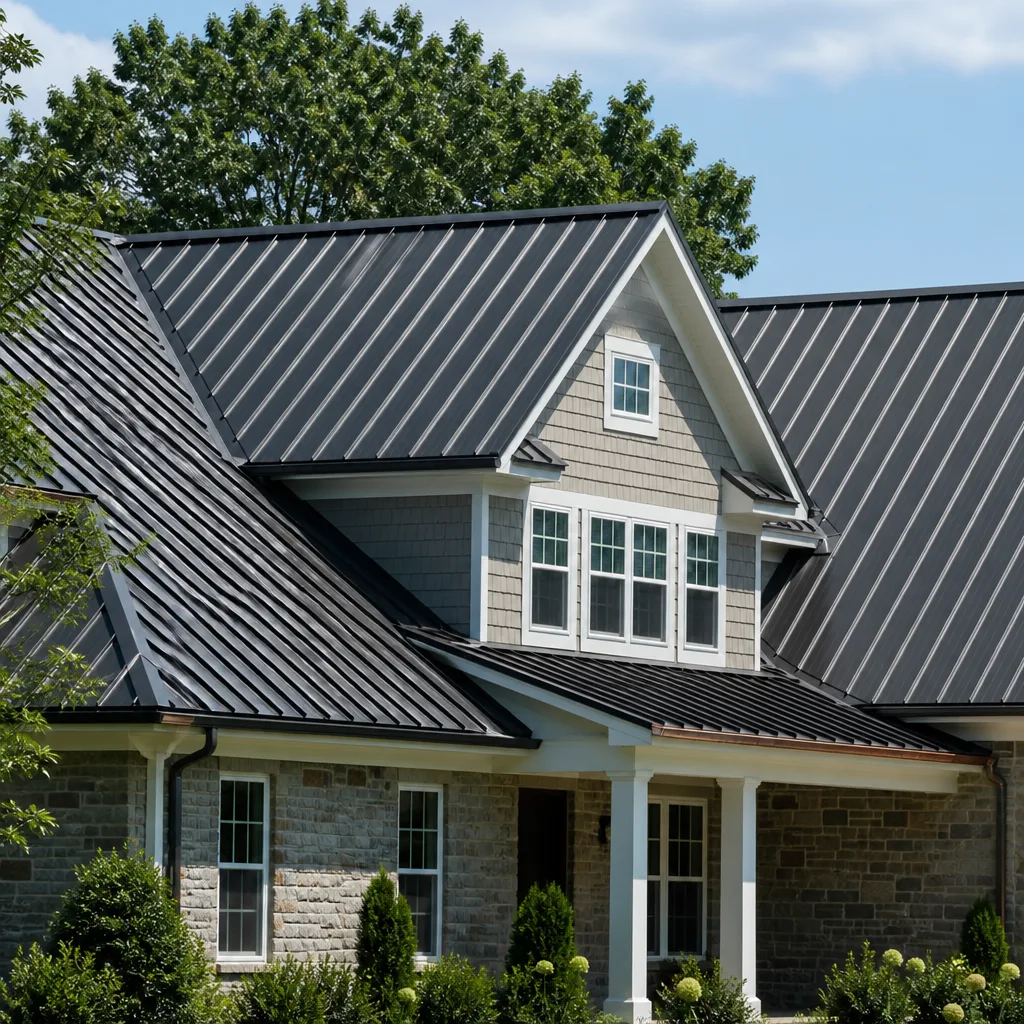 Metal roofing
 Tile roofing
 GAF
 Owens Corning
 Flat & low-slope
Free roof inspection with deck photos before we talk money - GAF and Owens Corning certified installation
Roof Repair Maintenance Checklist for Moreno Valley Homeowners
A dried-out pipe boot flashing costs about $150 to replace. The water intrusion it causes after the first hard rain of the season can run $4,000 in drywall, insulation, and mold remediation, and the failure typically happens silently for months before you ever see a stain on the ceiling. In Moreno Valley, the problem isn’t just neglect. It’s that the standard maintenance advice homeowners find online is written for places with spring thaws and autumn leaf drops. That advice misses the two events that actually damage roofs here: prolonged dry heat that bakes sealants and flashings until they crack, and the sudden, heavy rain that follows months of zero precipitation. This guide is built around those two damage cycles, not the four seasons. It covers what to check, when to check it, what you can safely assess yourself, and what belongs in the hands of a contractor who has actually walked Moreno Valley roofs. For a deeper look at common issues and solutions, see our Roof Repair Troubleshooting: Common Problems and How to Fix Them.oreno Valley roofs.
Styles & brands we work with
Quick Answer
The most important roof maintenance step for Moreno Valley homeowners is checking sealant points – pipe boots, ridge caps, valley flashing edges – before the first heavy rain of the season, typically September through November. A twice-yearly visual inspection (once before rainy season, once after) plus gutter clearing and attic moisture checks will catch most failures while they’re still $150 repairs instead of $4,000 interior restorations. Flat and low-slope roof membranes on additions and garage conversions need a separate check for heat blistering and seam separation, which most four-season checklists never mention.
Table of Contents
- The Sealant Failure Cycle: Why Moreno Valley Heat Creates Leaks
- The Pre-Rain Visual Inspection Checklist
- Flat and Low-Slope Roofs: The Heat Blister Problem
- Gutters and Downspouts in a Low-Rain Climate
- Attic Checks: What You Can See From the Hatch
- Ground Observation vs. On-Roof Inspection: Where to Draw the Line
- A Realistic Moreno Valley Maintenance Calendar
- Common Mistakes to Avoid
- When to Call a Professional
- Frequently Asked Questions
- The Bottom Line
The Sealant Failure Cycle: Why Moreno Valley Heat Creates Leaks
Moreno Valley regularly sees summer temperatures over 100 degrees, and roof surfaces in direct sun run 40 to 60 degrees hotter than the air. That heat does not damage shingles the way hail or wind does. It damages the flexible materials – sealants, caulks, rubber boots, and adhesives – through thermal expansion and contraction. Every day the roof heats and cools, those materials flex. After enough cycles, they lose elasticity, shrink, and crack. The cracks start microscopic. By the time they’re visible from the ground, water has often already entered.
The three sealant failure points we see most often in Moreno Valley:
- Pipe boot flashings: The rubber collar around plumbing vents and exhaust pipes. UV radiation and dry heat cause the rubber to split where it meets the pipe. Water follows the pipe into the attic. This is the single most common leak source we’ve found on Moreno Valley homes, and it almost never shows up on a standard DIY checklist.
- Ridge cap sealant: The ridge line is the highest point on the roof, the first to get baked, and one of the last places homeowners look. Heat causes the sealant under ridge cap shingles to degrade. High winds that come with the first seasonal storm lift the caps and expose the nail line.
- Valley flashing edges: Valleys channel more water during a rain event than any other roof plane. The metal flashing at valley edges expands and contracts differently than the shingles surrounding it. The sealant bond between them eventually fails, creating a slow leak that wets the decking beneath the shingles.
If you do nothing else this year, check these three areas before the first hard rain. The cost of inspecting them is zero or close to zero. The cost of ignoring them compounds.
Most maintenance guides tell you to look for missing shingles. That matters in storm country, but in Moreno Valley, a cracked pipe boot beneath a perfectly intact shingle course is a far more likely source of water intrusion. The roof repair in Moreno Valley calls we get after the first fall rain are almost always traceable to a sealant failure, not a missing shingle.
The Pre-Rain Visual Inspection Checklist
The window that matters in Moreno Valley is September through early November. The first significant rain event usually arrives in that window, and it arrives after three to six months of zero precipitation. That’s not how roofs fail in most of the country, and it’s why a maintenance schedule built for fall and spring routines misses the point here. Your pre-rain inspection is not a two-hour project. It’s four specific checks.
- Inspect every pipe boot from the attic side. Go into the attic with a flashlight during daylight hours. Look at each plumbing vent penetration from below. You’re looking for water staining on the underside of the roof sheathing, dark rings around the pipe, or visible daylight where the pipe meets the boot. If you own a drone, fly it over the roof and photograph each boot from above. Cracks in rubber boots are often visible in photos even when they’re hard to see from the ground.
- Walk the roof perimeter from the ground, looking at ridge caps and valleys. You can’t assess sealant condition without being on the roof, but you can spot displaced ridge caps, lifted shingles, or valley flashing that has pulled away from the roof plane. Look especially at the south and west-facing slopes. They get the most direct sun.
- Check all wall intersections and chimney flashings. Roof-to-wall transitions and chimneys are sealed with caulk or step flashing. Heat cracks the caulk, and cracked caulk is an entry point before the first storm. Look for a thin, white, cracked line along the transition. If it looks like cracked mud in a dry riverbed, it’s past time.
- Run water through interior drains on flat sections, if you have them. Many Moreno Valley homes have flat or low-slope patio covers, addition roofs, or garage conversions. If those sections have drains or scupper openings, pour water down each one before the season starts. If water backs up, you’ve found a problem that heavy rain will make worse.
This checklist takes most homeowners under an hour. It doesn’t require buying tools or renting a ladder (beyond what you already own for attic access). And it catches the majority of preventable leaks in this climate. When we perform a roof inspection in Moreno Valley, these are the same points we check first, because they’re the ones that fail silently.
Flat and Low-Slope Roofs: The Heat Blister Problem
A significant number of Moreno Valley homes have flat or low-slope sections. Older additions, patio covers, garage conversions, and mid-century modern designs frequently use built-up roofing or modified bitumen membranes. These systems fail differently than shingle roofs, and a maintenance checklist written for pitched asphalt shingles will tell you nothing about them.
The primary failure mode in the Inland Empire is heat blistering. A blister forms when the membrane layer delaminates from the substrate, trapping air or moisture. Summer heat expands the trapped gas, and the blister grows. Blisters this year become cracks next year, and cracks become leaks during the first heavy rain. We’ve seen blisters the size of dinner plates on Moreno Valley flat roofs that get full afternoon sun.
What to check on flat and low-slope sections:
- Standing seams and lap edges: Look for edges that are lifting. On hot days, the adhesive at lap seams softens and releases. The seam may look sealed in cool weather but open in heat. Check lap edges in the afternoon, when the membrane is hottest.
- Blistering on the membrane surface: From the ground or a nearby second-story window, look for bubbles, raised areas, or puckering. They’re most visible in low-angle morning and evening light, which casts shadows across uneven surfaces.
- Ponding water after rain: After the first real rain of the season, check whether water ponds anywhere for more than 48 hours. Ponding accelerates membrane breakdown and is the precursor to seam failure at the pond boundary.
- Flashing at parapet walls and edges: Flat roofs depend on perimeter flashing to keep water out. The metal or membrane flashing along parapet walls sees extreme thermal movement. Check for cracks in the caulk line and for any area where flashing has pulled away from the wall by even a quarter inch.
If you find blisters or seam separation, don’t patch them with liquid sealant from a hardware store as a permanent fix. That’s a temporary bandage, and on a membrane roof it can trap moisture beneath the patch, accelerating rot. The right move is to have a roofer assess whether the membrane still has service life. Some flat sections on Moreno Valley homes are at the end of their design life and need replacement, not patching. When the material choice matters, we’ll walk you through the real differences between membrane types rather than steering you to one brand. Whether it’s a CertainTeed membrane system or a different manufacturer’s product, the climate exposure on your specific roof drives the recommendation.
Gutters and Downspouts in a Low-Rain Climate
There’s a persistent myth that gutters don’t matter much in Moreno Valley because the annual rainfall is low. That’s backwards. Gutters matter more in low-rain climates, not less, because they receive almost no flushing for most of the year. When the rain finally comes, it arrives in concentrated bursts against gutters that haven’t carried water for months.
The problems in Moreno Valley are different from the leaf-clogged gutters you see in the Northeast or Pacific Northwest. More common here:
- Debris compaction: Fine dust, dry leaves, and small debris settle in the gutter and bake into a hard layer. A light rain doesn’t flush it. A heavy rain backs up against it and overflows the gutter, wetting the fascia and soffit.
- Animal nesting: Birds, squirrels, and rodents look for dry, protected spaces in long dry spells. Gutters, downspout elbows, and the gap between gutter and fascia are prime nesting sites. Nesting material blocks flow and holds moisture against the roof edge when rain comes.
- Corner joint failure from thermal cycling: Aluminum gutters expand and contract in heat. Corner miters and end caps loosen over years of 100-degree days. The first heavy rain finds the gaps.
- Downspout disconnection at the bottom: Dry soil expands and contracts, and splash blocks shift. The downspout pulls away from its extension, and water dumps at the foundation instead of being carried away. In a heavy rain, that water runs against the slab or framing.
Clear your gutters in late October, even if they look clean. Run a hose through the downspouts carefully from the top, not the bottom, to avoid pushing a blockage up into the gutter. Check that extensions route water at least three feet from the foundation. If you’re unsure whether your gutter system is moving water correctly, that’s a quick check during a roof inspection.
Attic Checks: What You Can See From the Hatch
You do not need to get on the roof to perform the single most useful roof maintenance task in Moreno Valley. The attic tells you more about roof health than the roof surface does, because the attic reveals what water has already done. And in a climate where failures happen silently for months, the attic is where the evidence appears first.
What to check from the attic hatch or access point:
- Daylight through the roof deck: On a sunny day, turn off the attic light and let your eyes adjust. Any pinhole of daylight through the sheathing is a direct opening for water. This check works even if you can’t access the entire attic. Even a partial view catches openings near the eave and ridge.
- Water staining on the underside of the sheathing: Look for dark, irregular stains, especially around penetrations, at the eave line, and along valleys. Fresh stains are dark. Older stains have lighter edges and may feel chalky. Staining means water has entered; how many times it entered tells you how urgent the problem is.
- Mold or mildew odor: In a dry climate, mold in an attic is almost always roof-related. It means water has been entering and sitting somewhere. Trust the smell. If it smells musty, find the source before the first rain, not after.
- Ventilation blockage: Soffit vents clog with dust, birds’ nests, or blown insulation. Ridge vents can be painted-over or blocked by debris. In Moreno Valley, a poorly ventilated attic reaches temperatures that cook the underside of your shingles and shorten their life. You should feel a slight air movement in the attic when it’s hot. If it’s stagnant and 130 degrees, your ventilation needs attention.
This is also where you can assess the underside of pipe boots without a ladder. Each plumbing vent that passes through the roof carries a rubber boot. From below, you can see the underside of that boot and the sheathing around it. If the sheathing is stained or you can see light around the pipe, that boot has failed or is failing. This is the single most actionable attic check for Moreno Valley homes.
Ground Observation vs. On-Roof Inspection: Where to Draw the Line
Any honest roofer will tell you the same thing: you cannot fully assess a roof from the ground. But that doesn’t mean ground observation is useless. It means you should know what each vantage point can and cannot tell you, so you’re making informed decisions rather than guessing.
What you can safely assess from the ground:
- Overall shingle condition: granule loss, curling edges, missing tabs, displaced ridge caps
- Flashing gaps at chimneys and wall intersections that are visible from a specific angle
- Membrane condition on flat sections, especially with binoculars or a drone camera
- Gutter alignment and downspout routing
- Ridge cap displacement after high winds
What you cannot reliably assess from the ground:
- Sealant condition at pipe boots, valleys, and ridge caps (unless the cracking is severe)
- Whether shingles are still bonded to the shingle below them (wind uplift resistance)
- Hidden damage under the ridge cap shingles
- Nail pops and shingle delamination
- The actual remaining service life of the roof system
Being honest about this line is part of how we do business. You don’t need a contractor’s permission to look at your own roof from the ground, and you shouldn’t feel pressured into a paid inspection if you’re not ready for one. But if you see anything concerning from the ground, or if you’ve owned the home for more than a few years without a professional look, a standalone inspection is the smart first step. It gives you an objective read on what your roof actually needs, before you spend a dollar on repair or replacement. That’s why we offer roof inspections in Moreno Valley as a standalone service, with no obligation to purchase anything afterward.
A Realistic Moreno Valley Maintenance Calendar
Most maintenance checklists are organized around spring and fall because those seasons matter in climates with freeze-thaw cycles, heavy leaf fall, and snow load. Moreno Valley’s calendar is different. Here’s the schedule that actually matches our weather.
September through October: Pre-Rain Preparation
This is the most important window of the year. Do the full pre-rain inspection described above. Check pipe boots from the attic, inspect ridge caps and valleys from the ground, run water through flat roof drains, and clear gutters. Fix sealant failures before the first storm, not after. If you call for a roof inspection during this window, you’re ahead of the rush that comes after the first rain.
November through February: Rain Response Monitoring
After the first significant rain event of the season, check the attic for new water staining. If you find fresh stains, don’t wait to act. The next storm will compound the damage. Check that gutters and downspouts are carrying water away from the foundation. Look for ponding on flat sections after each rain. If you see new leaks, document them and call for repair before the next rain system arrives.
March through May: Post-Rain Assessment and Minor Repair
Once the rainy season ends, assess any damage the winter storms caused. Sealant that was marginal before the rain may have fully failed under water exposure. Ridge caps that shifted in wind are now loose. Flat roof seams that showed early separation are candidates for repair before the summer heat makes them worse. This is also the window for a roof replacement in Moreno Valley if your roof is at the end of its life, because summer heat makes installation harder and fall rain makes it urgent.
June through August: Heat Monitoring
In the hottest months, watch for heat-related problems: blisters on flat membranes, caulk cracking at wall intersections, and any sign that sealant is shrinking. This is also the time to verify attic ventilation is working, because a poorly ventilated attic amplifies every heat problem. You don’t necessarily need to take action in summer if things look stable, but you should note what’s degrading so you can act in September before the rain returns.
This calendar repeats every year. It’s not complicated, and it doesn’t require spending a lot of money. It requires paying attention at the right time, which in Moreno Valley means before the first rain and after the last one.
Common Mistakes to Avoid
- Following a four-season checklist: Maintenance guides written for the Midwest or Northeast tell you to check for ice dams in winter and leaf load in fall. Moreno Valley has neither. Following that checklist means you spend time on irrelevant tasks and miss the sealant failures that actually cause leaks here.
- Waiting for a visible interior leak before acting: By the time water shows up on your ceiling, it has already traveled through the roof deck, insulation, and possibly drywall. The damage is done. Early detection from the attic catches the problem when it’s still a $150 boot replacement.
- Using generic silicone caulk on roof penetrations: Not all sealants are rated for roof use. In Moreno Valley heat, cheap caulk fails within a single season. Use roof-rated sealants, or better yet, have a professional apply the right product for the specific material you have.
- Patching a flat roof without addressing the substrate: A membrane patch over wet or damaged substrate traps moisture and accelerates rot. On flat and low-slope sections, successful repair requires assessing what’s underneath first.
- Ignoring the attic: The attic is the cheapest, safest roof inspection vantage point you have. Homeowners who never open the attic hatch miss the earliest warning signs of roof failure and only discover problems after water has reached the living space.
- Assuming one brand of shingle fixes everything: Different roof systems from different manufacturers (GAF, Owens Corning, Tamko, and others) have different installation requirements and performance characteristics. A material recommendation should be driven by your specific climate exposure, roof geometry, and budget, not by what one contractor happens to have in stock.
When to Call a Professional
Some roof conditions are safe to observe and monitor yourself. Others require a trained roofer on the roof. Call a professional if you find active water staining in the attic that you cannot trace to a single obvious source, if you see multiple blistering or seam failures on a flat or low-slope roof, if your roof is over 15 years old and has never had a professional inspection, or if you see displaced ridge caps or lifted shingles after a wind event. If you’ve found compromise in multiple sealant points, the problem is likely systemic rather than isolated, and it’s worth a full assessment. Moreno Valley Roof Repair offers free estimates in Moreno Valley. Call (866) 217-3967 to schedule a walk-through, and we’ll give you a straight answer on what your roof needs and what it costs.
Frequently Asked Questions
A professional roof inspection every two years is the right interval for most Moreno Valley homes, with a homeowner visual check from the attic and ground twice a year. If your roof is over 15 years old or you have flat or low-slope sections, consider an annual professional inspection. The heat cycle in the Inland Empire degrades sealants faster than coastal climates, and catching a failure early saves thousands.
Small repairs like pipe boot replacement or localized sealant work typically run between $150 and $450 in Moreno Valley, depending on access and the scope of sealant replacement. Larger repairs like valley flashing replacement or flat roof membrane patching can run $500 to $2,000 or more. For a detailed breakdown of pricing factors, see our Roofing Cost Breakdown: The Moreno Valley Homeowner’s Reference for 2026. For an exact quote on your specific roof, call (866) 217-3967, our estimates are free.
A reputable roofer should provide a written, line-item quote and communicate any changes before proceeding. Unforeseen conditions like hidden decking damage can require a change order, but those should be documented and approved by you before the work happens. If someone gives you a verbal estimate and then changes the number after starting, that’s a red flag.
No, you don’t need to be home for the inspection itself, but it helps if you are available when the inspection is done so we can walk you through what we found. If that isn’t possible, we document findings with photos and send you a written summary. The inspection includes both exterior and attic assessment, so if you have attic access through the garage, we’ll need to know.
A properly installed asphalt shingle roof in Moreno Valley lasts 15 to 25 years depending on the material, ventilation, and sun exposure. Tile and certain specialized systems can last significantly longer, but they have their own failure modes like cracked underlayment. The lifespan depends on multiple factors, and the right material for your roof is the one matched to your specific climate and home.
Yes, we install and supply materials from multiple leading manufacturers including GAF, CertainTeed, and Tamko. That means we can recommend the material that fits your budget and longevity goals rather than being locked into one brand’s product line. If you want to compare options, we’ll give you the real differences.
The Bottom Line
Roof maintenance in Moreno Valley isn’t about following a generic spring-and-fall checklist. It’s about understanding the two cycles that actually damage roofs here: prolonged dry heat that cracks sealants and flashings, and sudden heavy rain that exploits those cracks all at once. The single most valuable action you can take is checking pipe boots, ridge caps, valley flashing, and flat roof seams before the first fall rain. If you do that every year, and you pay attention to what your attic tells you, you’ll catch most failures while they’re still inexpensive to fix. If you’d rather have a professional assessment before committing to any repair spend, we offer exactly that. Seven leading brands, one straightforward recommendation. For more guides & resources, explore our blog. Call (866) 217-3967 to schedule your free estimate.
Written by the team at Moreno Valley Roof Repair, serving Moreno Valley since 2013.
See the difference
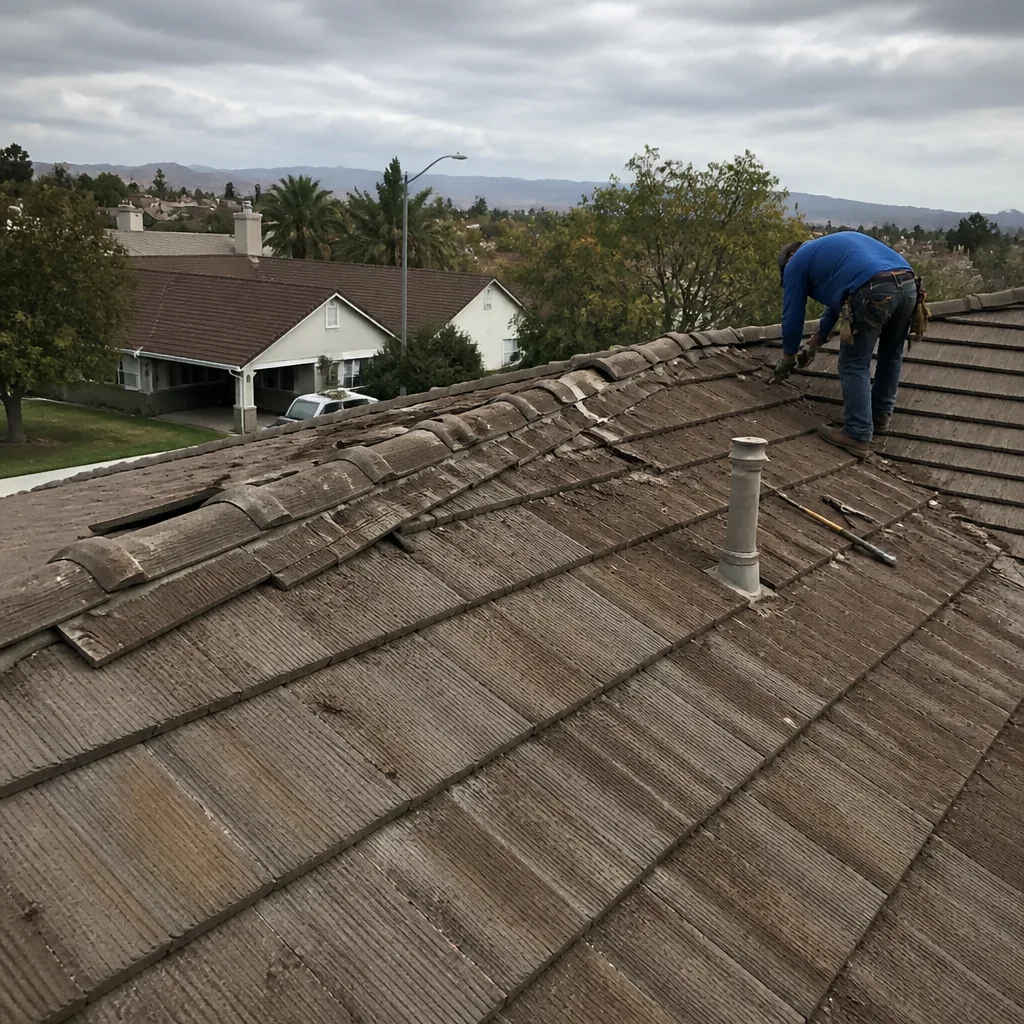 Before
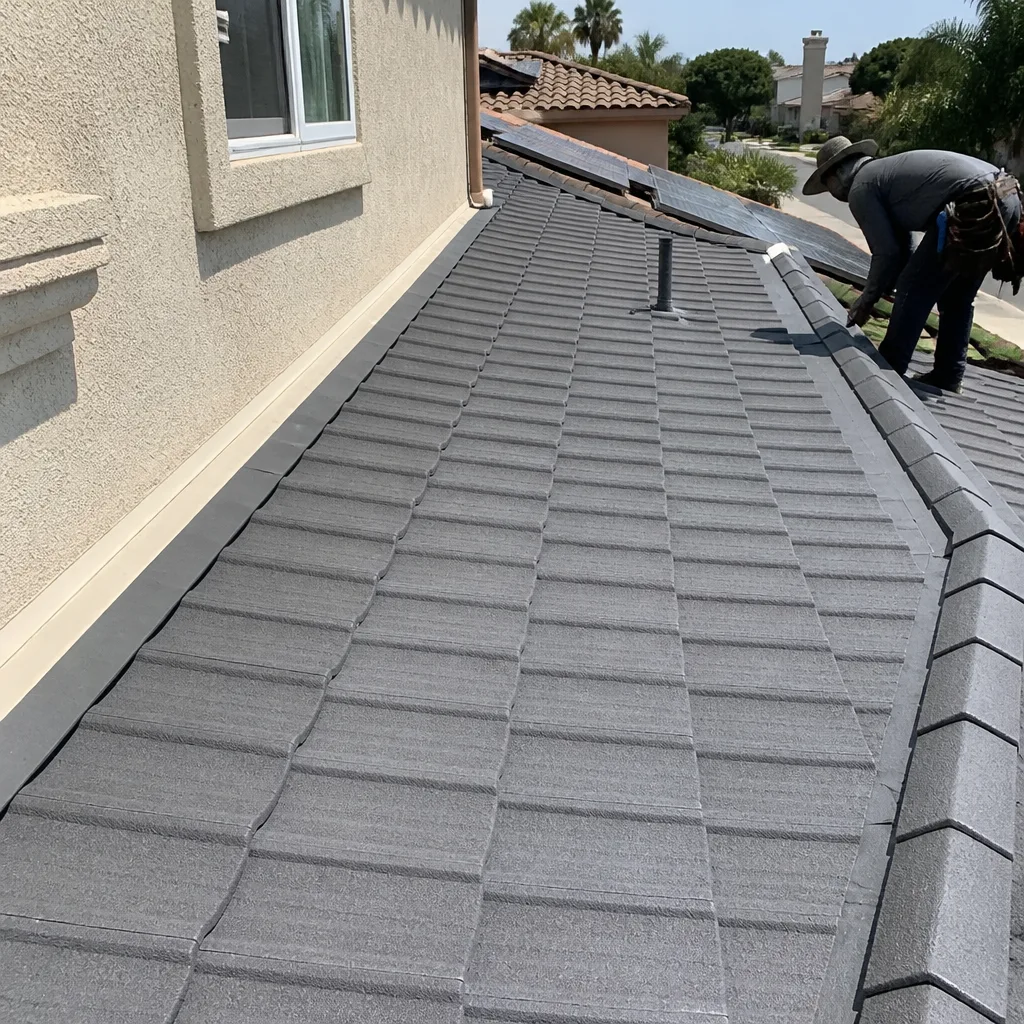 After
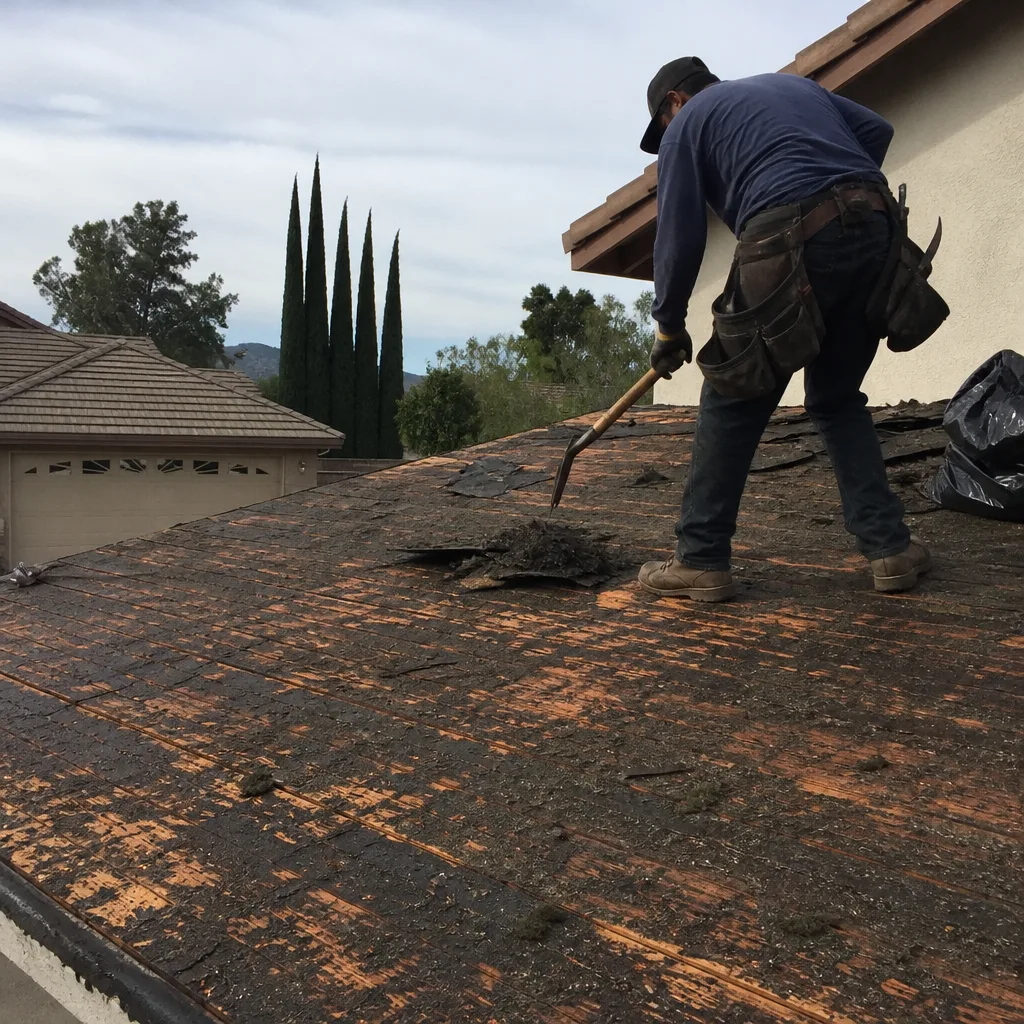 Before
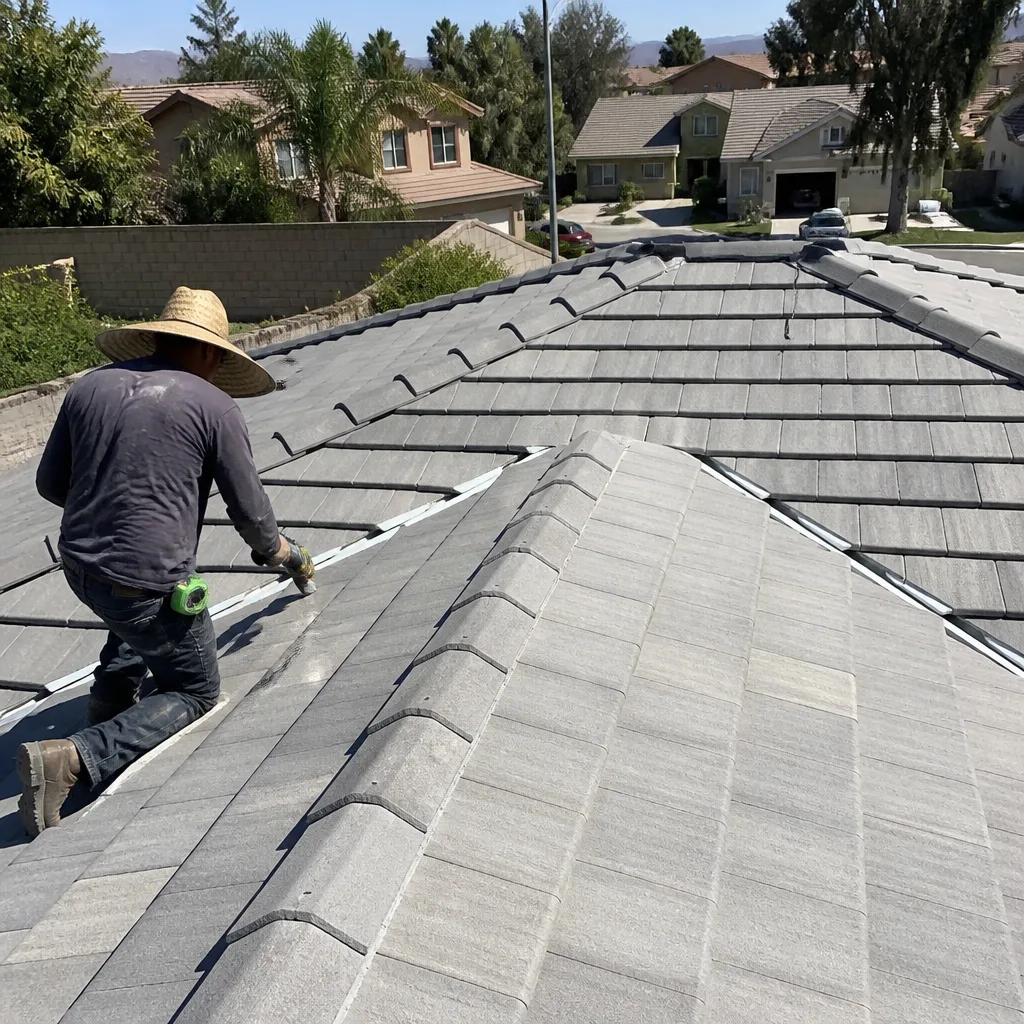 After
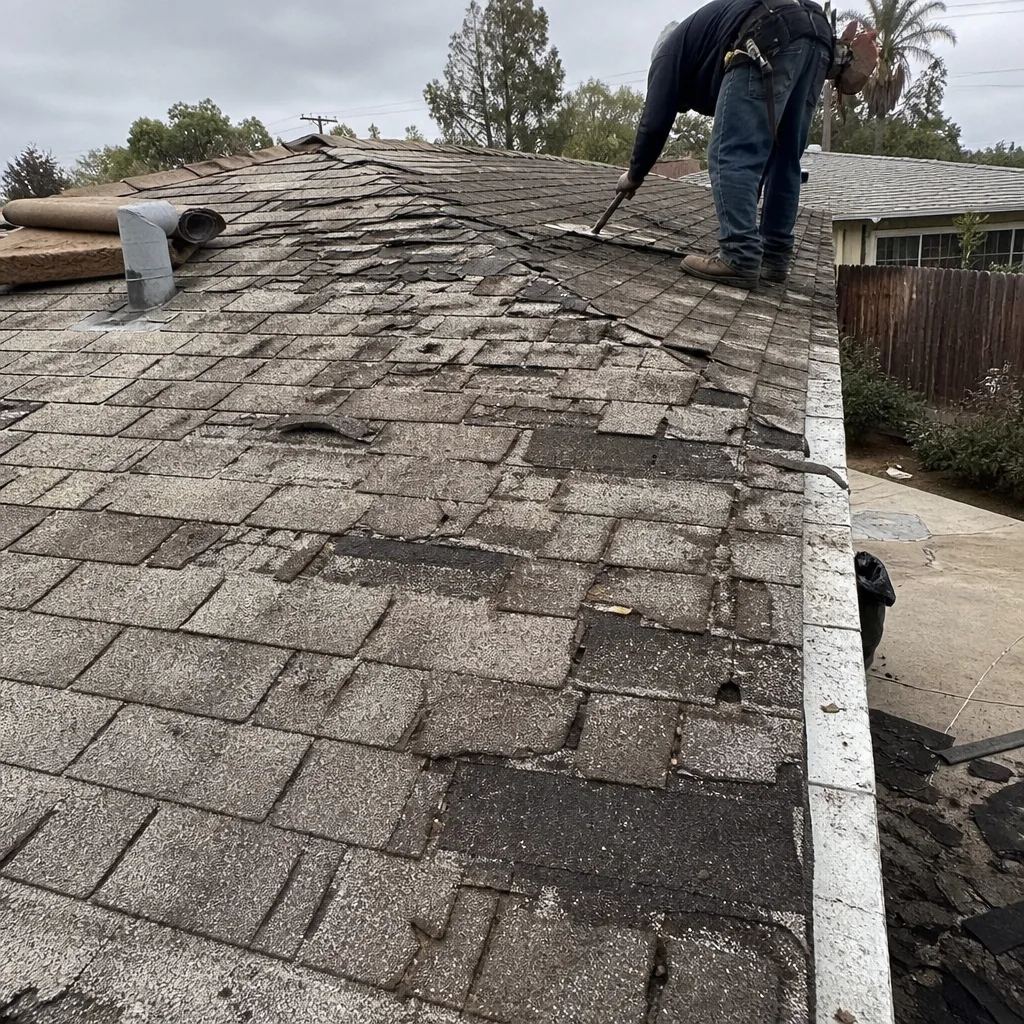 Before
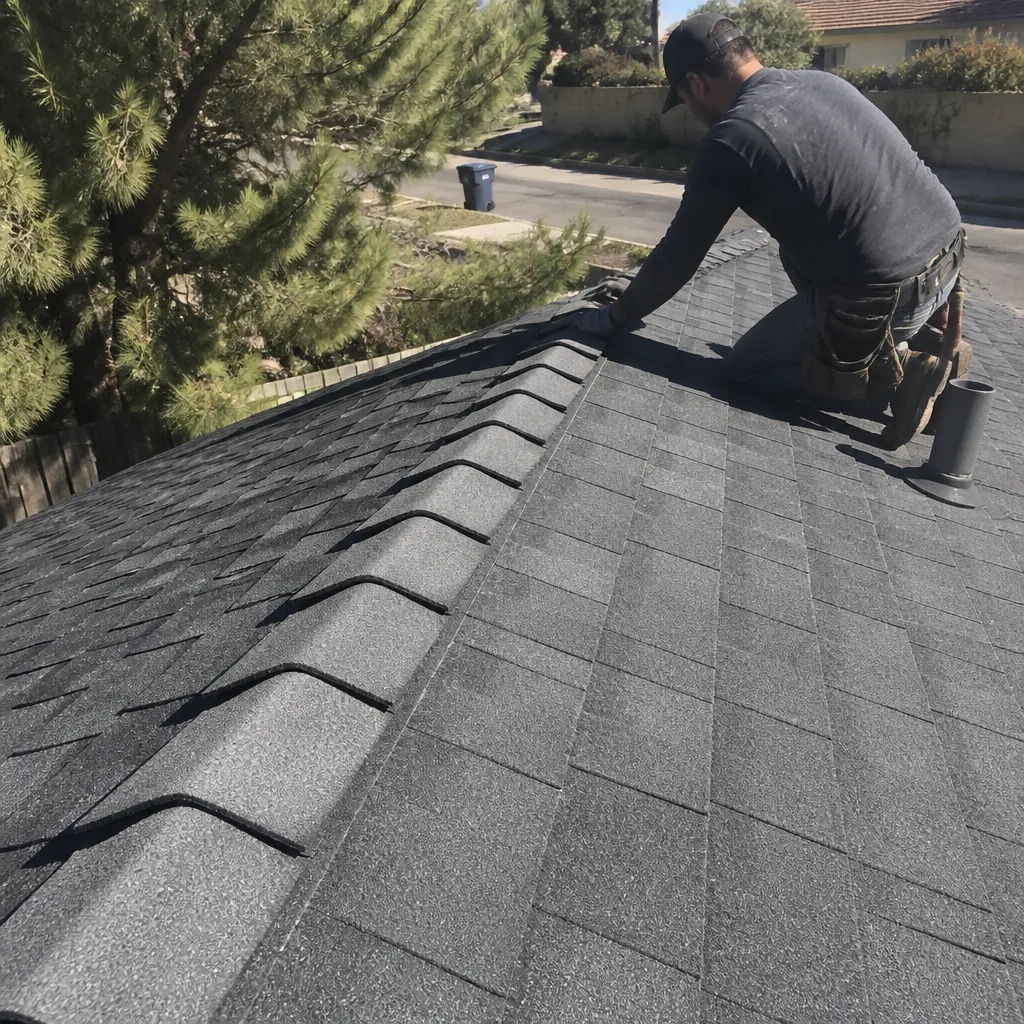 After