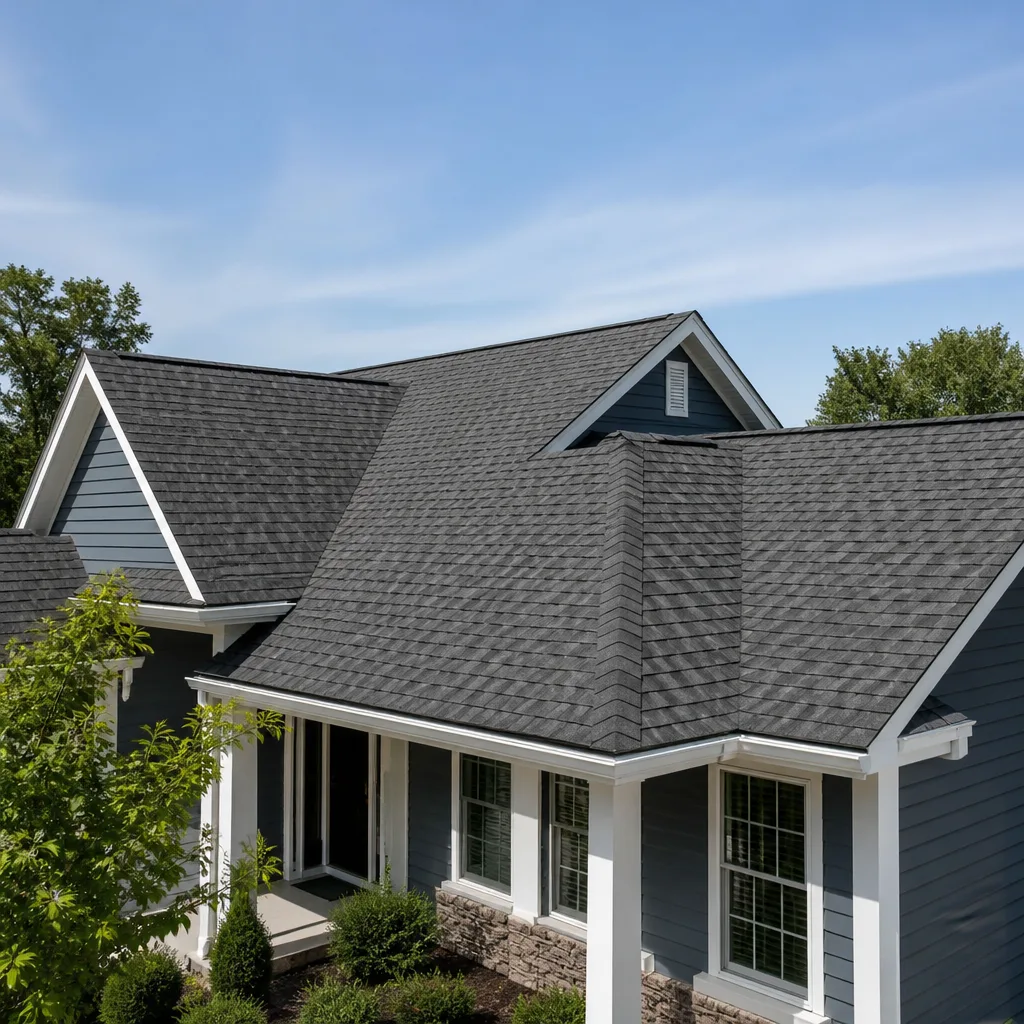
 Architectural shingles
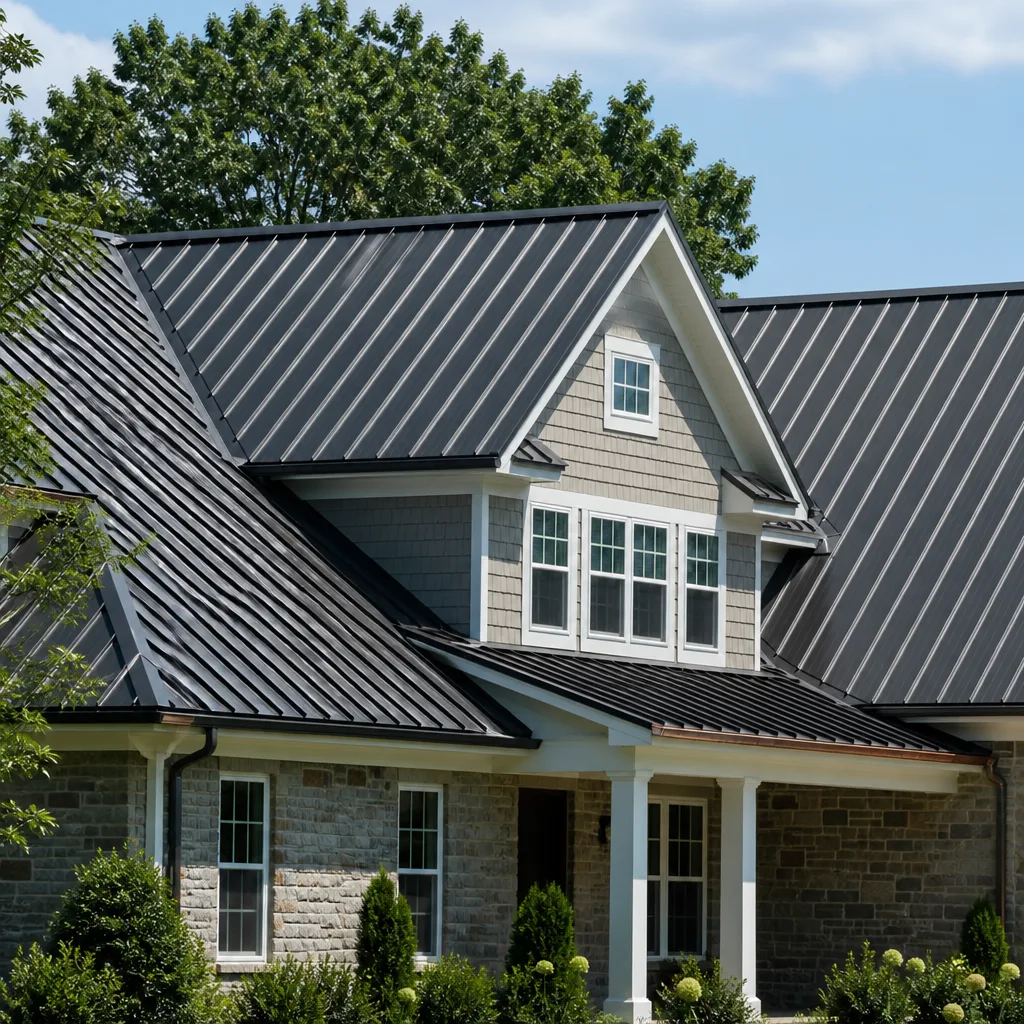 Metal roofing
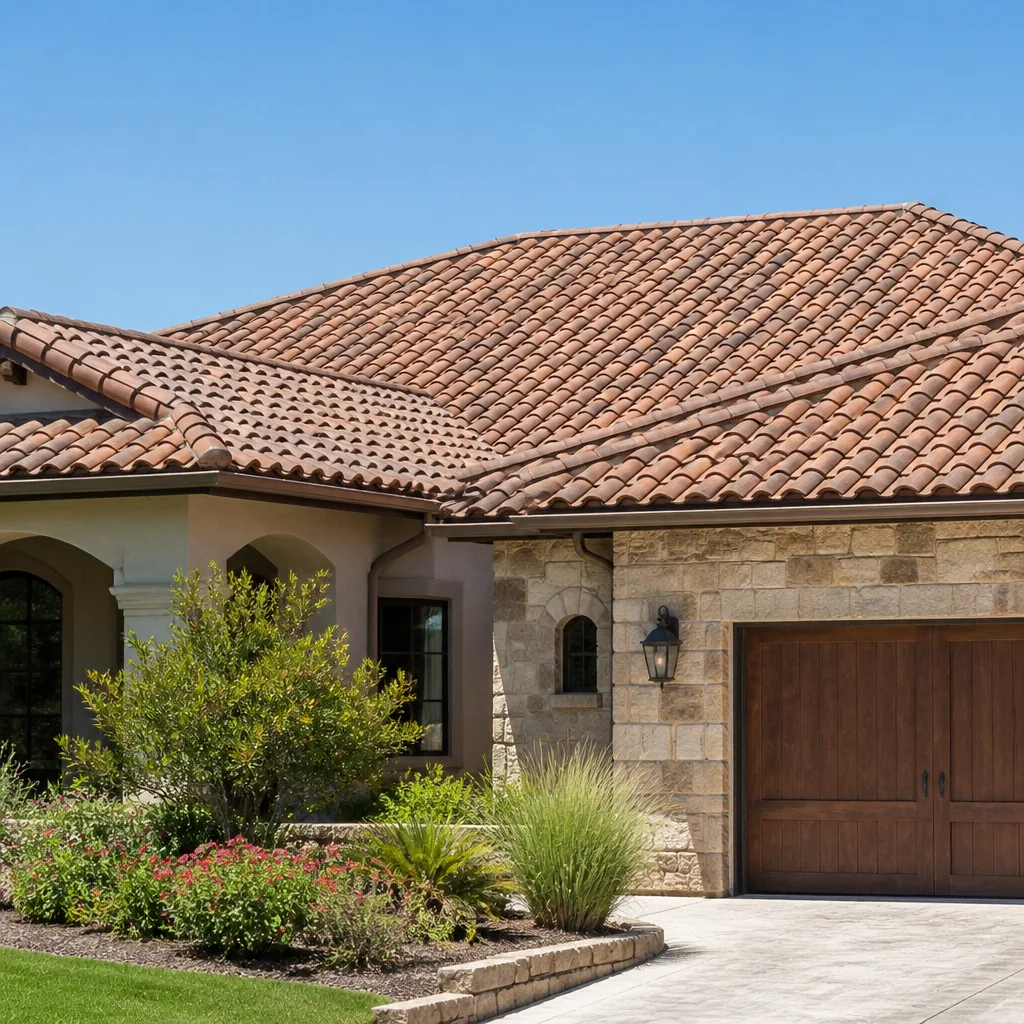 Tile roofing
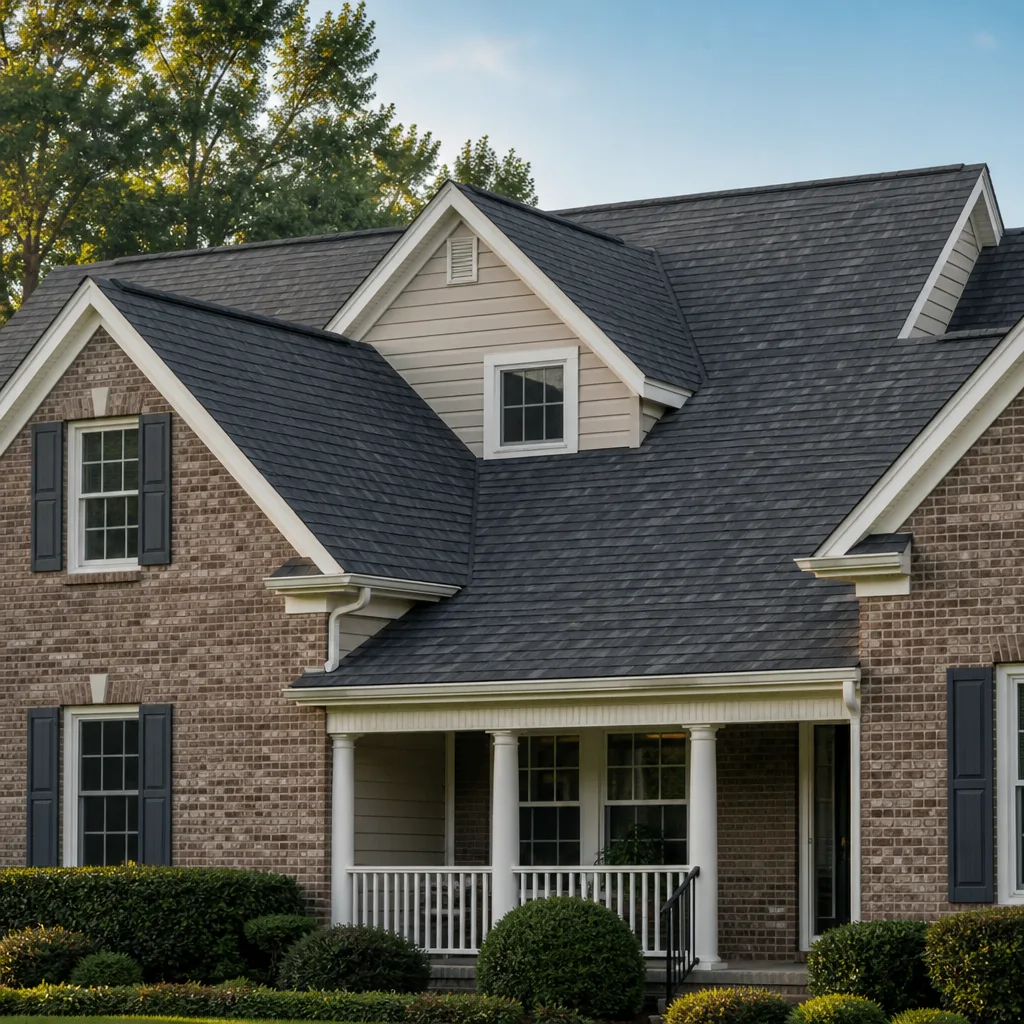 GAF
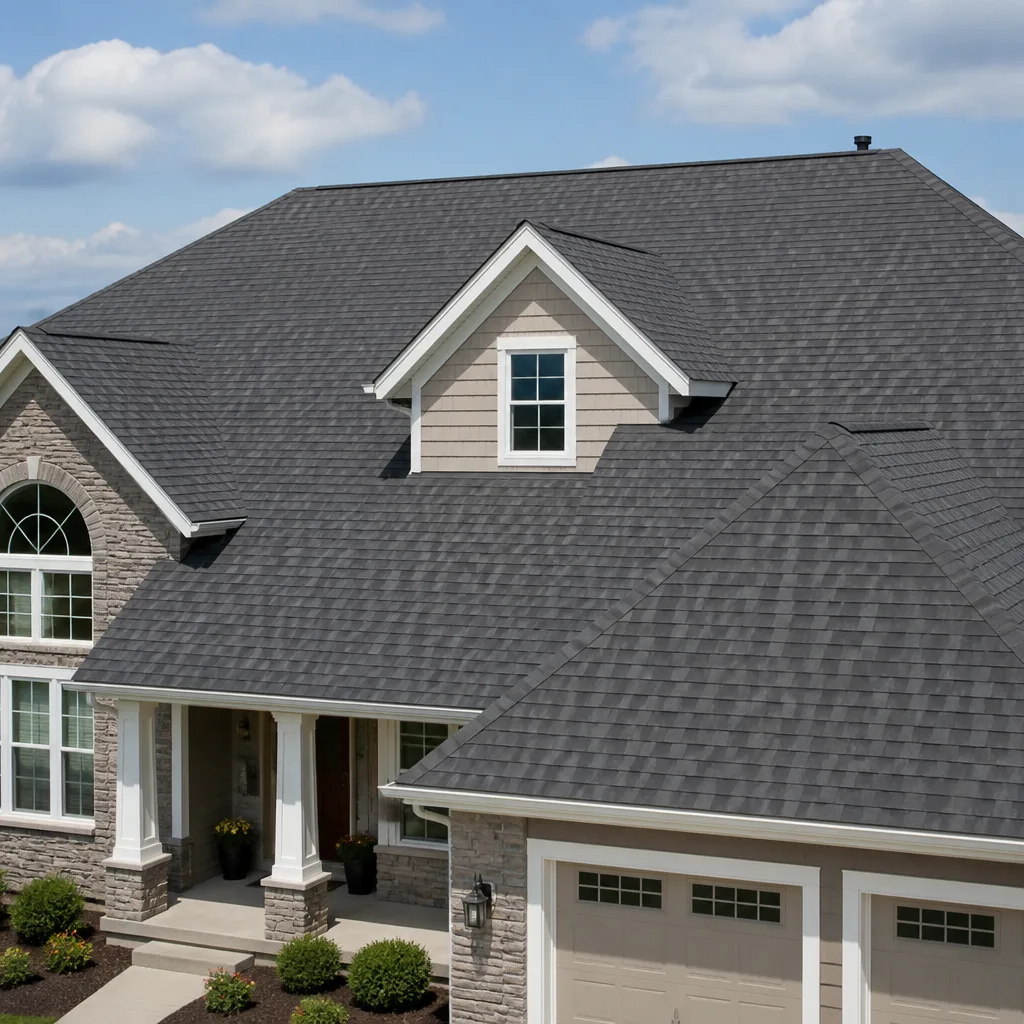 Owens Corning
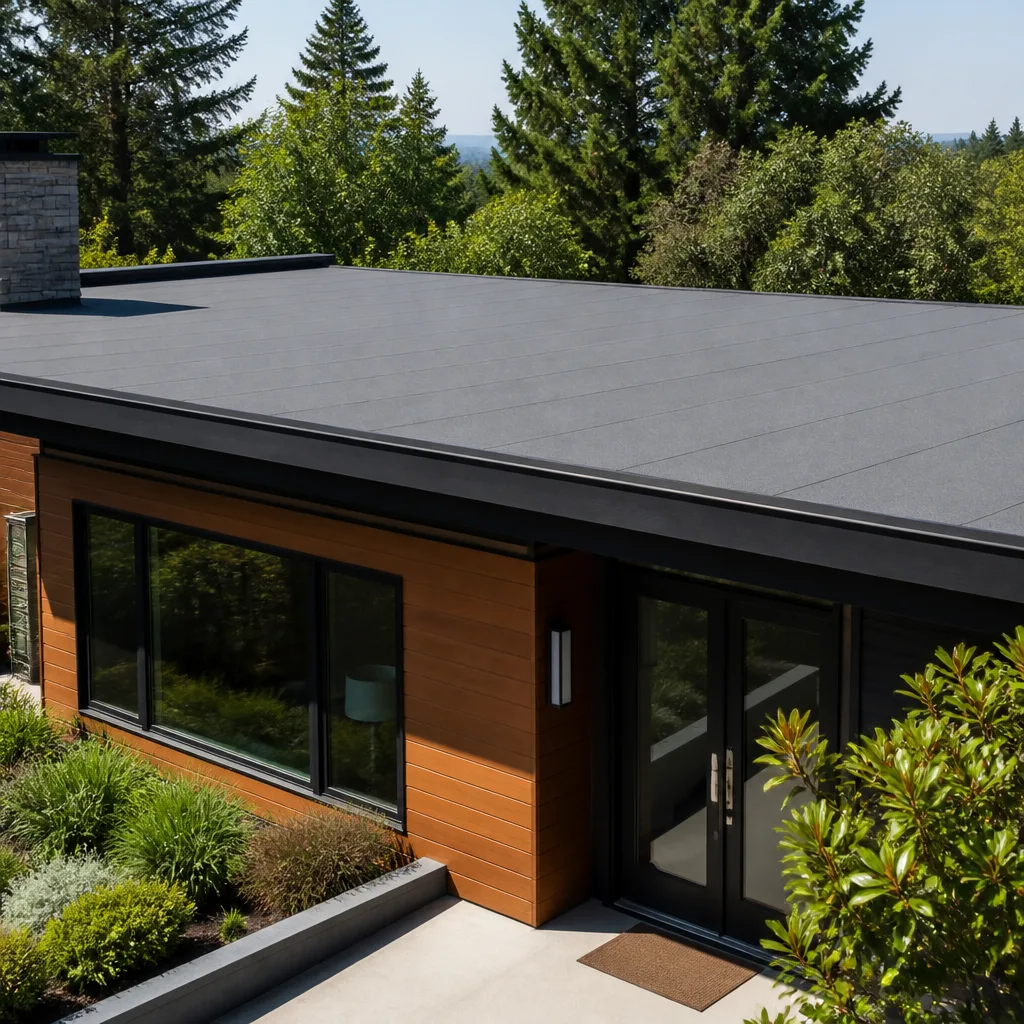 Flat & low-slope
Free roof inspection with deck photos before we talk money - GAF and Owens Corning certified installation
Fast, Reliable Roof Replacement Across Topanga
Roof replacement in Topanga typically runs $14,000 – $32,000 for a full tear-off and re-install on a custom canyon home, with architectural shingle systems starting around $16,000 and flat or low-slope sections adding $4,000 – $9,000 depending on membrane choice. Most Topanga jobs take 3 – 5 working days once materials are on site, though access constraints on narrow canyon roads can stretch delivery timelines. We know this terrain because we work it regularly. Call Moreno Valley Roof Repair at (866) 217-3967 and we’ll send someone who actually understands what a 1950s redwood cabin on a slope needs differently than a Sherman Oaks tract home.
Topanga isn’t a typical roofing market. The 90290 ZIP spans steep canyons, oak groves, and ridge lines that sit almost entirely within Very High Fire Hazard Severity Zones. That changes what goes on your roof, how it’s fastened, and what the permit office will require before you get final sign-off. We plan for those conditions from the first walk-through, not after the decking is open.
Why Moreno Valley Roof Repair Is Topanga’s Preferred Roof Replacement Company
Homeowners across Topanga call us because we’re brand-agnostic with seven major manufacturers behind us: GAF, CertainTeed, Owens Corning, IKO, Atlas, Tamko, and Boral. That means our recommendation isn’t shaped by a single-brand loyalty program. If a GAF Timberline UHDZ is the right shingle for your exposure, we’ll say so. If an Atlas StormMaster or Tamko Heritage better matches your budget and wind zone, we’ll tell you that instead.
Our team has torn off cedar shakes, failed torch-down, and 1970s three-tab across neighborhoods from Fernwood to the Old Topanga corridor. We’ve pulled permits through the Santa Monica Mountains district and know what inspectors flag once a canyon roof is open. Topanga homeowners regularly tell us the quote process here felt more honest than the two or three other contractors they’d already spoken with. We write allowances into the contract for the framing, wiring, and dry-rot conditions we expect to find, so you’re not ambushed mid-project.
Ruben Ibarra runs every Topanga estimate personally. He’s the one on the ladder, in the attic, and at the permit counter. If your roof has a complex valley detail or a skylight cluster that’s been leaking since the Reagan administration, he’s seen it before and knows what it costs to correct. Call (866) 217-3967 and ask for him by name.
Styles & brands we work with
New Roof Installation in Topanga
New Roof Installation on a Topanga home is rarely a simple overlay job. Between the canyon’s 60-plus mph Santa Ana gusts, wildfire assembly requirements, and custom framing that’s been settling for forty to ninety years, a proper new roof here means tear-off to the deck, inspection of what’s underneath, and rebuilding the assembly to a standard that’ll hold. A full new roof in Topanga, including decking replacement on a typical custom home, runs $18,000 – $32,000, and the permit will almost always trigger at least some assembly upgrades.
Fire-Rated Assembly Requirements
Topanga’s new-construction and replacement permits fall under Class A fire-rated assembly rules for most of 90290. That means the shingle material itself isn’t the only consideration. The underlayment, edge metal, valley construction, and vent details all have to work together to stop ember intrusion. We spec this as a system, not a product pick, which is why our quotes line out the full assembly rather than just “new shingles.”
Decking and Structural Reality
We almost never tear off a Topanga roof without replacing at least a section of decking. Original 1×6 or cracked 2×6 planks from a 1960s cabin aren’t rated for modern fastener pull-out, and the fire-zone reroof inspection will catch gaps. Expect decking replacement to add $6,000 – $11,000 depending on how much has to come up. We write that allowance into the contract before we start.
Reroofing in Topanga
Reroofing a Topanga home means taking the existing roof down to the framing and installing a new assembly from scratch, and in this ZIP code that almost always exposes something the homeowner didn’t know about: knob-and-tube wiring stapled to rafters, undersized framing that can’t carry a Class A assembly, or valley areas with no ice and water shield. A reroof in Topanga with architectural shingles typically runs $16,000 – $28,000, and we price known unknowns as written allowances before the first shingle comes off.
Valley and Slope Work
Topanga’s sloped lots concentrate water and oak debris in the valleys, and those valleys are precisely where original 1920s – 1970s cabins skipped the most basic protection. We install full-width ice and water shield in every valley, plus custom-fabricated valley metal where the pitch is irregular. Leaf dams from canyon oaks are a one-season failure waiting to happen if the valley detail is undersized.
Wind Uplift on Ridge Lines
Santa Ana winds hit Topanga ridge lines and fascia edges before anything else. A reused drip edge, or one that’s not through-fastened to code, lets the starter strip lift at 50 mph long before a shingle’s 130-mph wind rating matters. We replace drip edge on every reroof, full stop, and spec starter strips rated for high-wind zones.
Trusted Brands We Service in Topanga
Because we install and supply materials from seven manufacturers, Topanga homeowners aren’t locked into whatever brand a contractor happens to stock. We routinely install GAF Timberline and CertainTeed Landmark on higher-exposure canyon homes, Atlas StormMaster where wind uplift is the dominant concern, and Tamko or IKO lines when budget is the deciding factor on a cabin that’s going to market. Fast turnaround on brand-specific components matters in Topanga, where a delayed flashing order can stall a whole permit timeline. Our supplier relationships keep those wait times short. For Topanga’s fire-zone requirements, we also spec Boral Steel or similar Class A systems when the goal is maximum assembly rating rather than lowest upfront cost. Seven leading brands, one straightforward recommendation: the one matched to your canyon exposure, your home’s framing, and your timeline.
See the difference
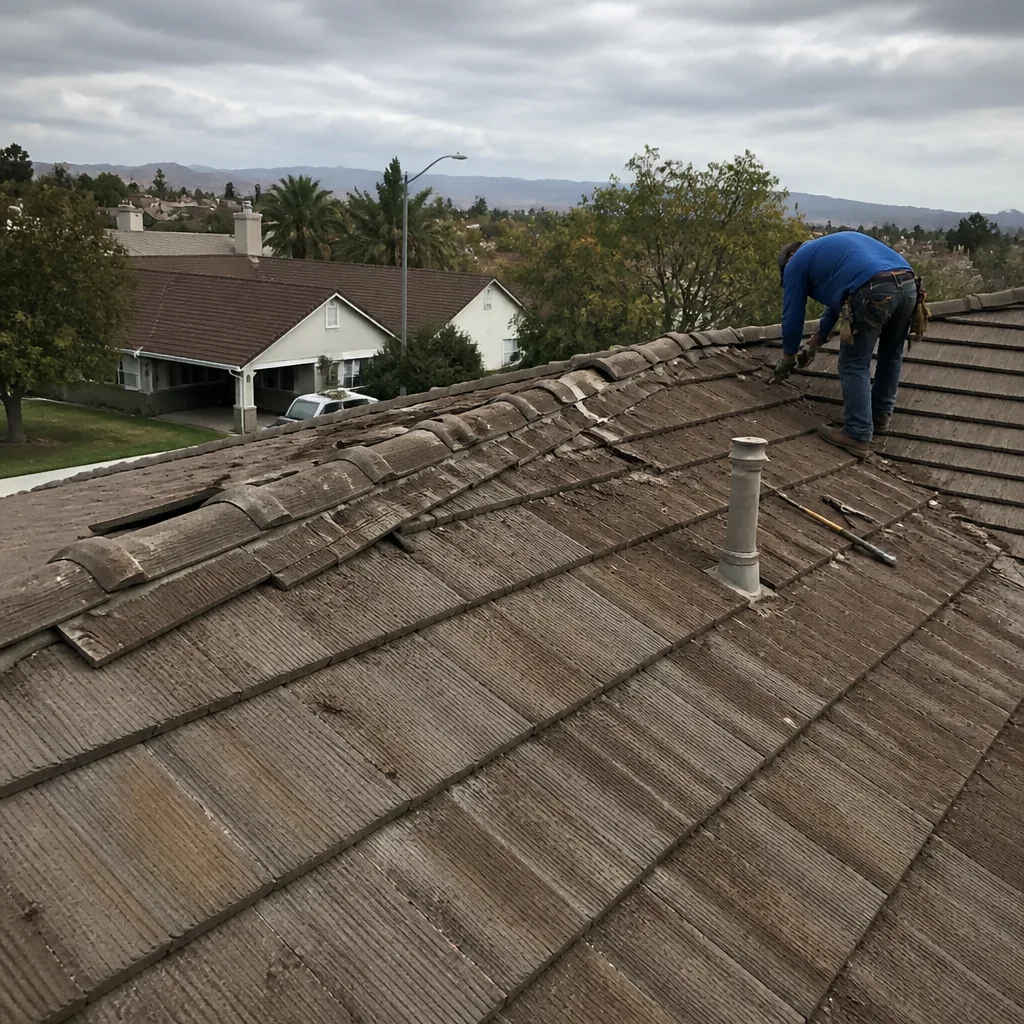 Before
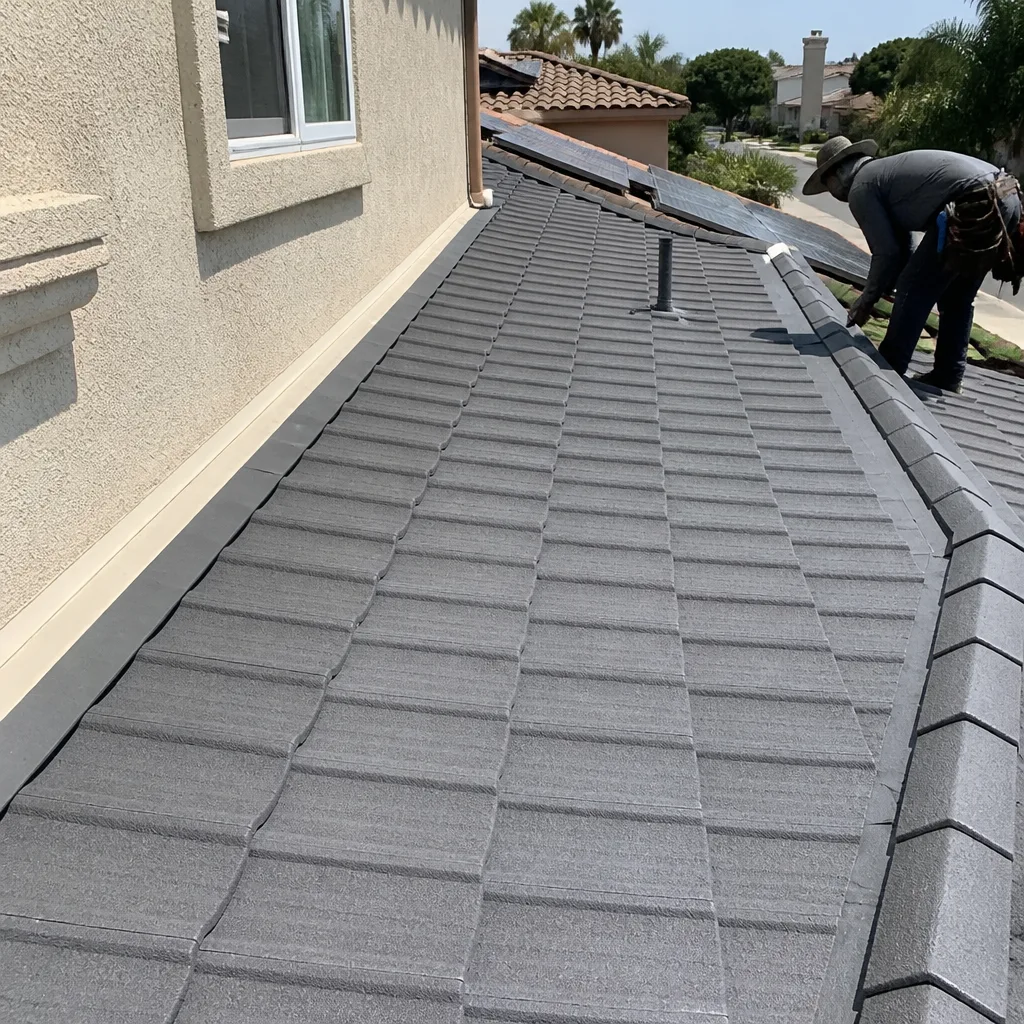 After
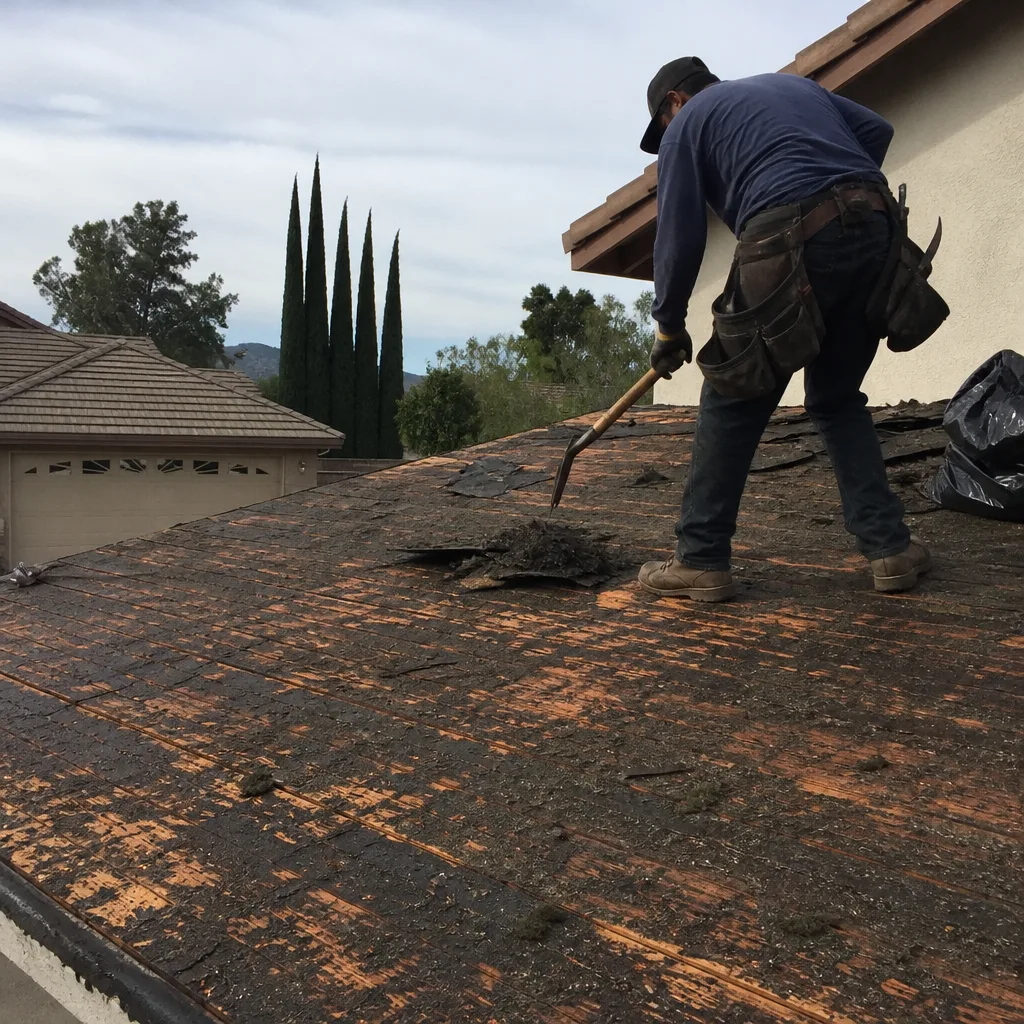 Before
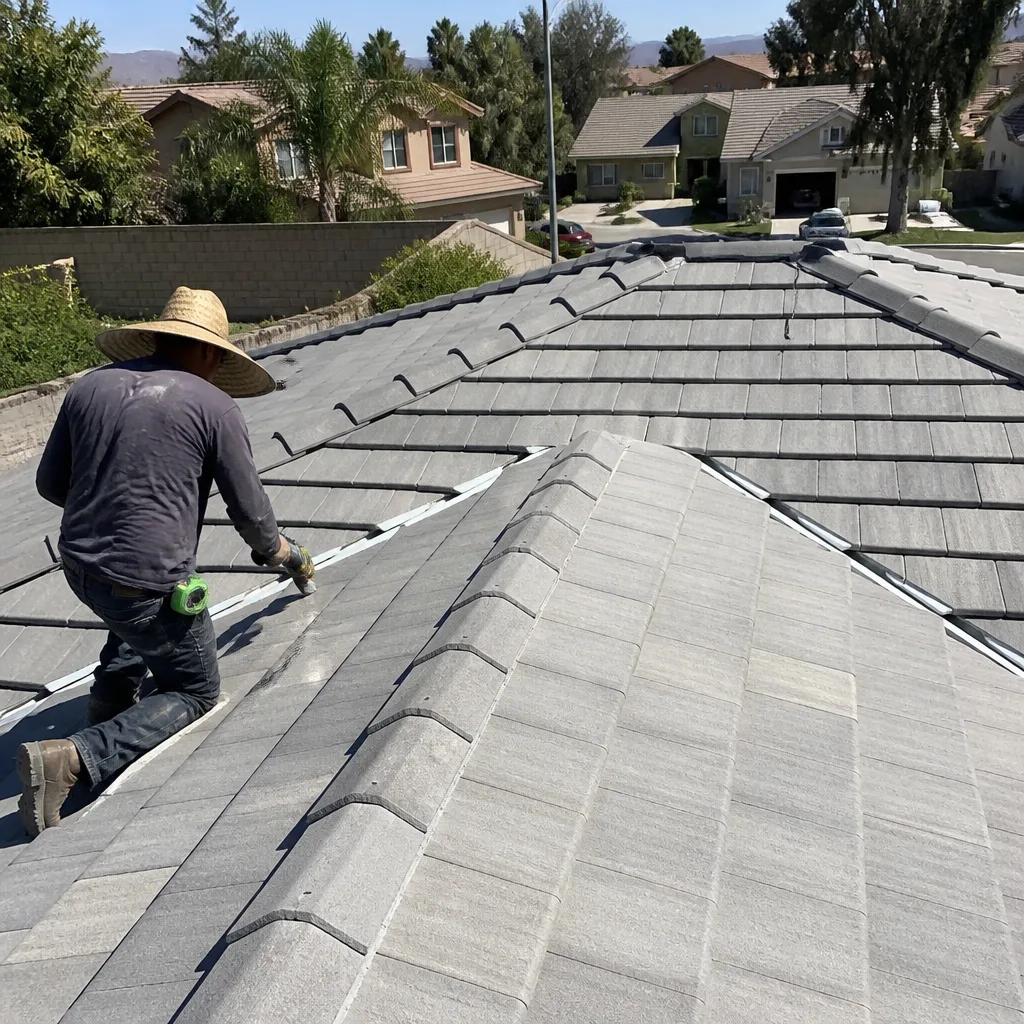 After
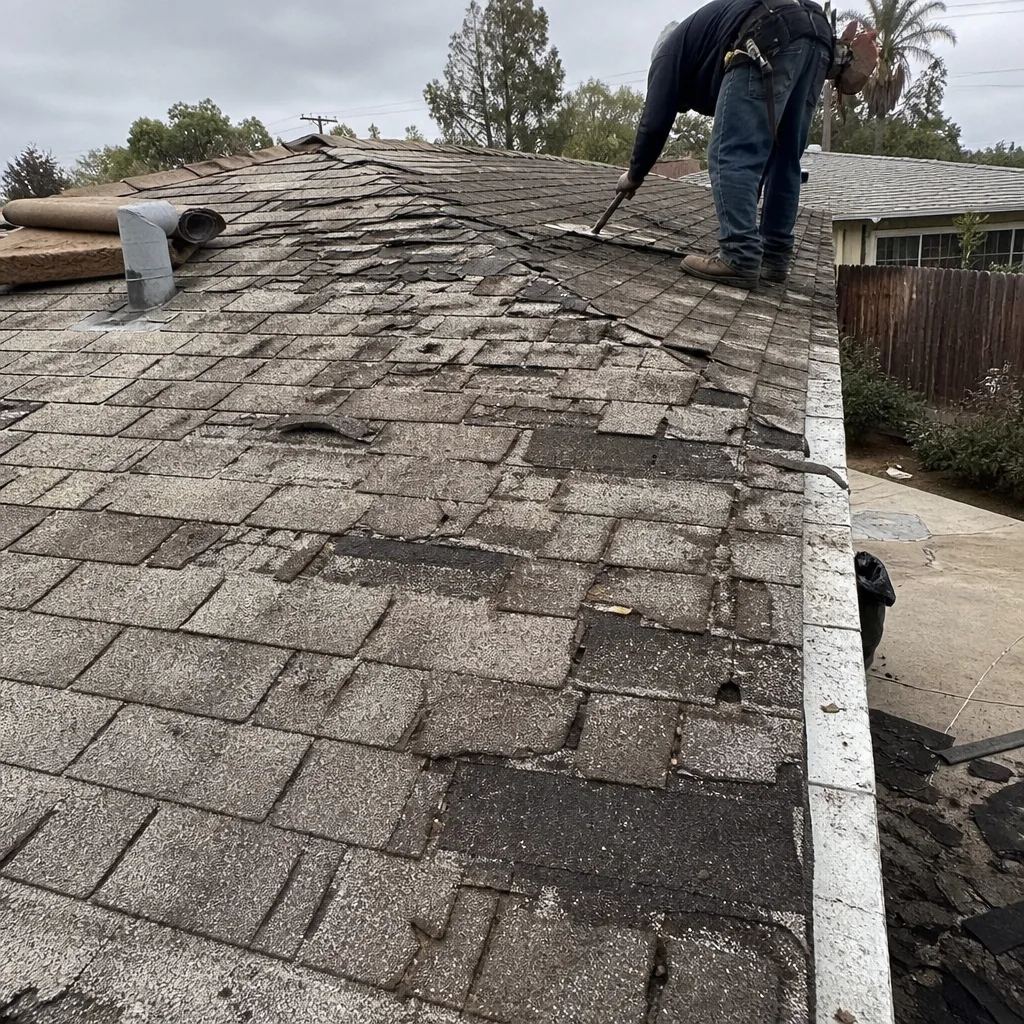 Before
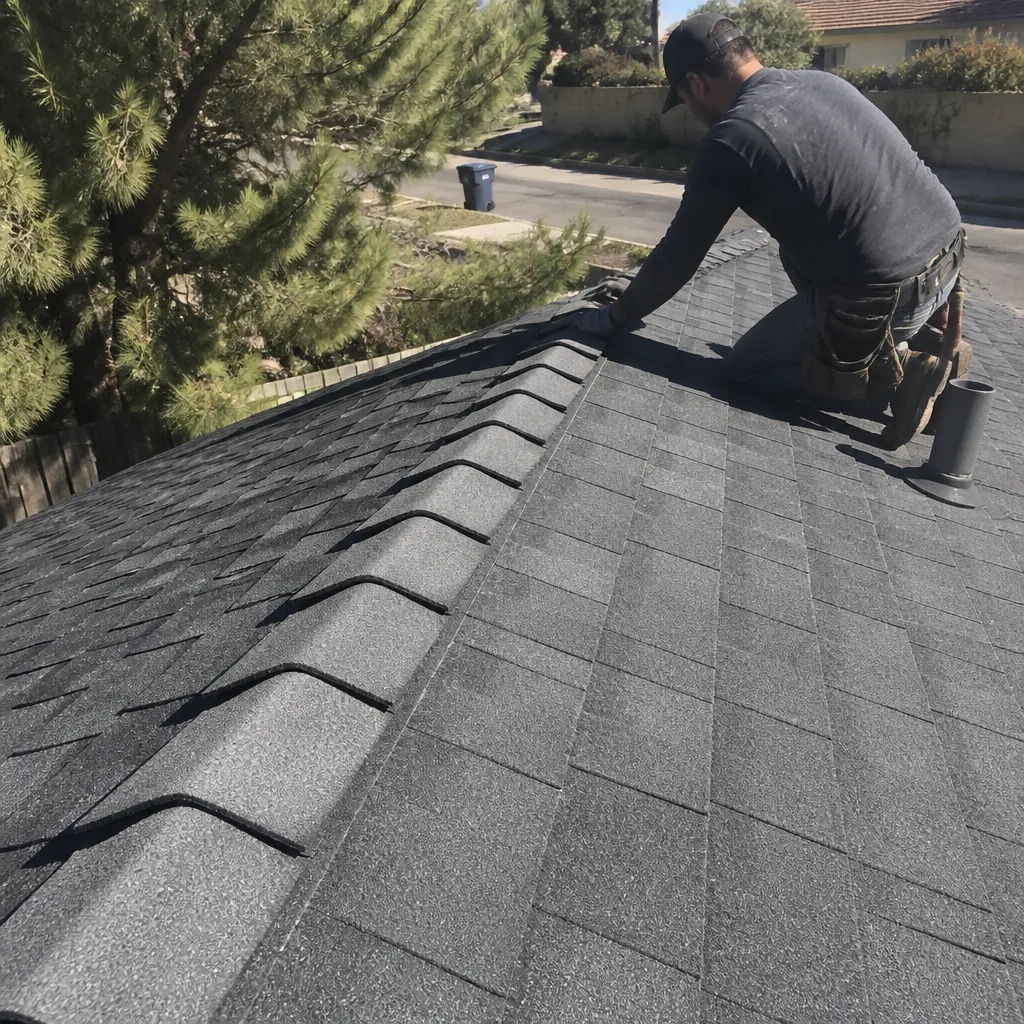 After
Common Roof Replacement Problems We See in Topanga Homes
- Oak leaf dams in valleys. Topanga’s canyon oaks drop leaves and duff that pile into the valleys at the base of slopes. Without full ice and water shield and properly sized valley metal, winter rain backs up under new shingles within one season. We’ve pulled shingles off one-year-old replacements from other contractors and found rot already starting at the valley center.
- Undersized or non-standard cabin framing. Many Topanga homes were framed with 2×6 or even 2×4 rafters that were never engineered for today’s Class A assembly weight. Tearing off the old roof exposes rafters that can’t pass the fire-zone permit inspection without sistering or reframing. The permit inspection catches it after the deck is open, so we budget for it upfront.
- Original wiring stapled to framing. Knob-and-tube wiring from the 1920s – 1960s is common in Topanga cabins, and it’s often stapled directly to the rafters. Opening the roof means the wiring is now part of the project, and local code won’t let you bury it under new decking without addressing it. On a 1968 redwood cabin off Fernwood Pacific Drive, pulling the old cedar shakes exposed exactly this: knob-and-tube stapled to cracked 2×6 rafters and no ice and water shield in the valleys. We stopped, wrote an allowance for reframing the four worst rafter bays and replacing the compromised decking, and got the homeowner’s signed approval before the GAF Timberline UHDZ architectural shingles and new flashing went on. No surprise line items at the end.
- Failed flat roof sections. Many Topanga homes have flat or low-slope areas over additions, garages, or carports that were originally done with torch-down that’s now brittle and split. The canyon sun cooks these sections, and Santa Ana winds peel edges. We replace them with modern TPO or modified bitumen systems, and we tie the flat membrane into the sloped shingle assembly properly rather than lapping it and hoping.
Pricing for Roof Replacement in Topanga, CA
A roof replacement in Topanga is not tract-home pricing, and nobody who gives you a Sherman Oaks quote for a canyon home has been on your roof. Here’s what we’re actually seeing in 90290 right now:
| Scope | Typical Range |
|---|---|
| Tear-off and re-roof, architectural shingles, standard custom home | $16,000 – $28,000 |
| Full replacement with decking replacement allowance | $20,000 – $32,000 |
| Flat or low-slope section (TPO or mod bit) | $4,000 – $9,000 additional |
| Framing repairs / rafter sistering (when needed) | $2,500 – $7,000 depending on scope |
| Class A fire-rated assembly upgrade (underlayment, vents, edge details) | $3,000 – $6,000 additional |
What drives your number is deck condition, roof complexity, skylight count, and whether the permit triggers brush-clearance or assembly upgrades beyond the roofing itself. We write allowances for every one of these before work starts. No change orders that weren’t already approved in writing. Call (866) 217-3967 for a free estimate that actually reflects Topanga conditions, not a generic Southern California price sheet.
We Also Serve Cities Near Topanga
If you’re in Topanga, you’re close enough that we’re already working your canyon. We regularly handle Roof Replacement projects in Encino, Santa Monica, Northridge, and Sherman Oaks, so if you have family or rental property nearby, one call covers it. Our team knows the fire-zone and wind-exposure differences between the canyons and the flats, and our estimates reflect that. For the full picture on what goes into a Topanga reroof, read on.
Serving Topanga, CA — Our Local Coverage Area
We’re based in the Topanga area and know this community well. Use the map below to see our service coverage — if you’re nearby, we can almost certainly help.
FAQs About Roof Replacement in Topanga
Yes. Because most of 90290 sits inside a Very High Fire Hazard Severity Zone, the permit review for a roof replacement in Topanga can trigger additional requirements including brush clearance, ember-resistant venting, and assembly upgrades that weren’t in your original scope. We’ve had projects where the roofing permit itself pulled in a vegetation management plan before the inspector would sign off. We handle that coordination and pricing with you in writing before it becomes a schedule hit. Call (866) 217-3967 to talk through what your specific parcel will trigger.
Topanga roof quotes vary because the homes are not similar under the shingles. One contractor quotes a 2,200-square-foot replacement at $14,000 and another quotes the same-looking house at $26,000, and the difference is almost always what each expects to find in the decking, framing, and valleys. A 1964 redwood cabin and a 2005 remodel can look identical from the street. One has cracked 2×6 rafters and no ice and water shield; the other is code-compliant and fast. We quote Topanga roofs with written allowances for decking replacement, rafter sistering, and Class A assembly upgrades, so you’re comparing real numbers, not a low-ball that will change once the roof is open. Get an exact quote at (866) 217-3967.
Yes, when the assembly is done correctly: proper starter strip rated for high-wind zones, six-nail fastening patterns, through-fastened drip edge at every eave and rake, and ridge venting that’s mechanically fastened rather than face-nailed. A shingle’s 130-mph wind rating means nothing if the starter strip lifts or the drip edge peels. In Topanga’s 60-plus mph Santa Ana gusts, the ridge and fascia edges fail first. We replace all edge metal on every reroof and spec the nail pattern to the manufacturer’s high-wind chart, not the standard one. It costs a little more and it’s the difference between a 30-year roof and a tarp after the first big blow. Call (866) 217-3967 and we’ll show you the difference on your own roof plan.
We design the valley and eave details for the debris load your oaks actually produce, which means full-width ice and water shield in every valley, custom-fabricated valley metal sized to handle more than a cosmetic water channel, and gutter specs that account for leaf volume from canyon oaks. The standard valley detail a tract-home roofer installs won’t survive one Topanga autumn. We also factor in the maintenance reality: if your roofline collects duff in certain troughs, we’ll flag that during the walk-through so you know where to keep an eye. For a full assessment, call (866) 217-3967.
We stop work and bring in the appropriate trade or do the framing repair under a written allowance that was already approved before we started. On a 1968 redwood cabin off Fernwood Pacific Drive, pulling old cedar shakes exposed knob-and-tube wiring stapled to cracked 2×6 rafters. We wrote an allowance for reframing the four worst rafter bays and replacing compromised decking, got the homeowner’s signed approval, and then installed GAF Timberline UHDZ architectural shingles with new flashing. The total matched the allowance. If your home was built between the 1920s and 1970s, plan for this possibility and choose a roofer who writes it into the contract rather than “discovering” it after the roof is open. Call (866) 217-3967 for a quote that includes the allowance language up front.
Ready to talk about your Topanga roof? Call Moreno Valley Roof Repair at (866) 217-3967. We’ll schedule a walk-through with Ruben Ibarra, write a quote that includes realistic allowances for what your canyon home will actually need, and give you a straight answer on brands, assembly requirements, and timeline. Free estimates, no obligation, no single-brand upsell.
Written by Ruben Ibarra, Owner at Moreno Valley Roof Repair, serving the Santa Monica Mountains and Topanga canyon communities.