
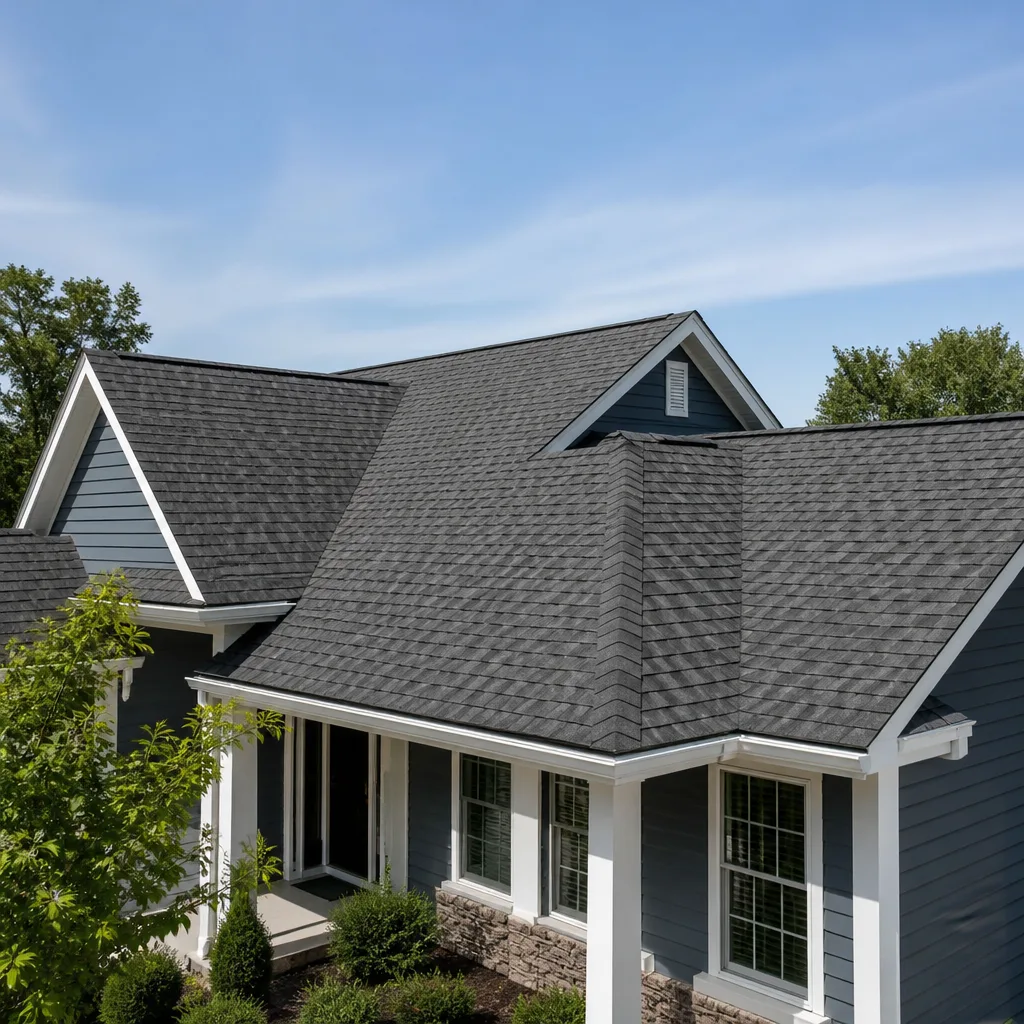
 Architectural shingles
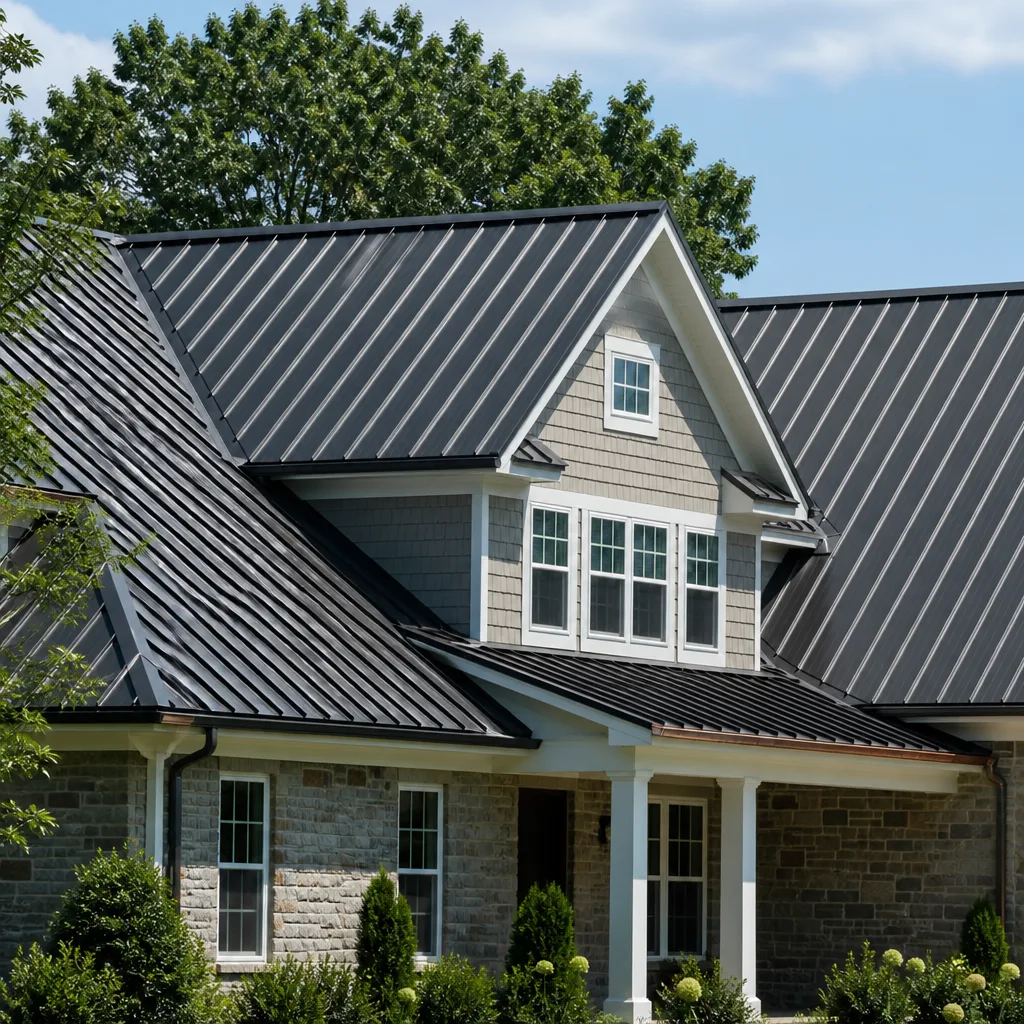 Metal roofing
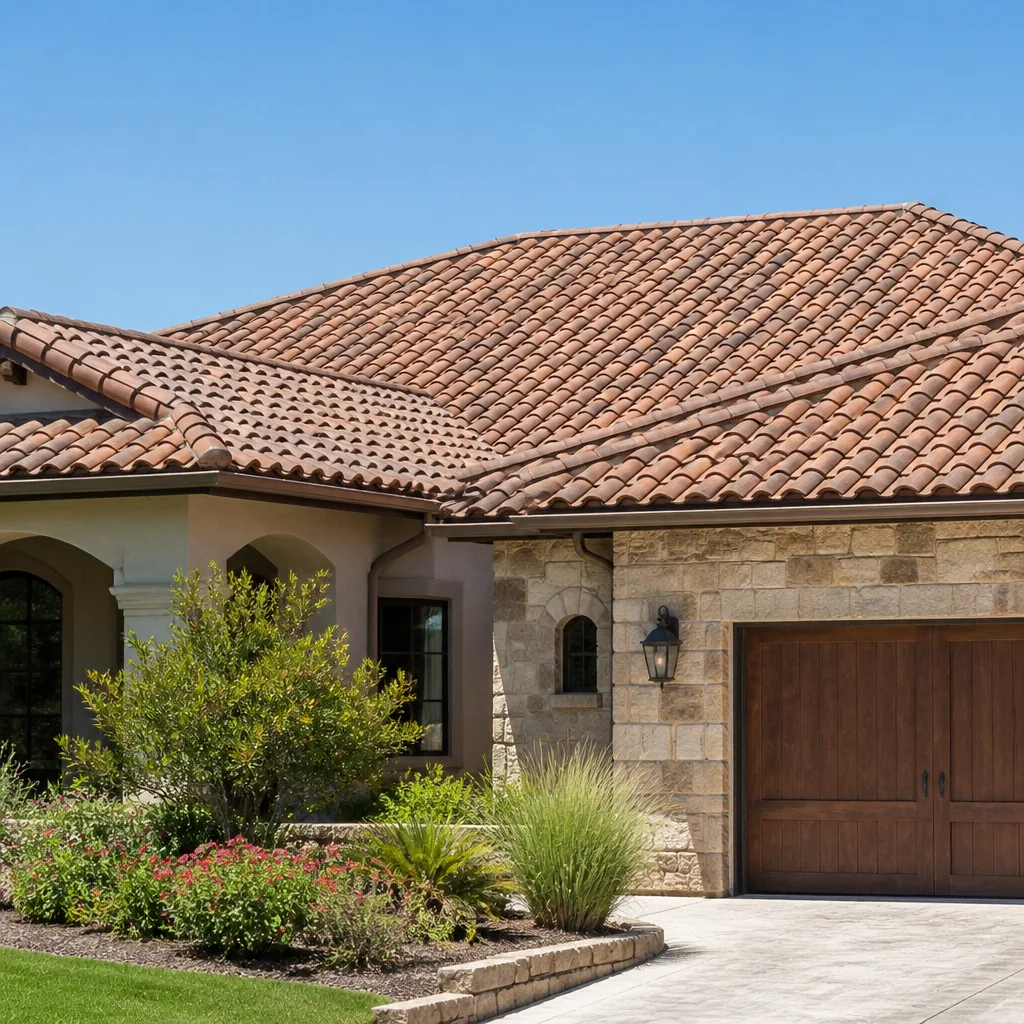 Tile roofing
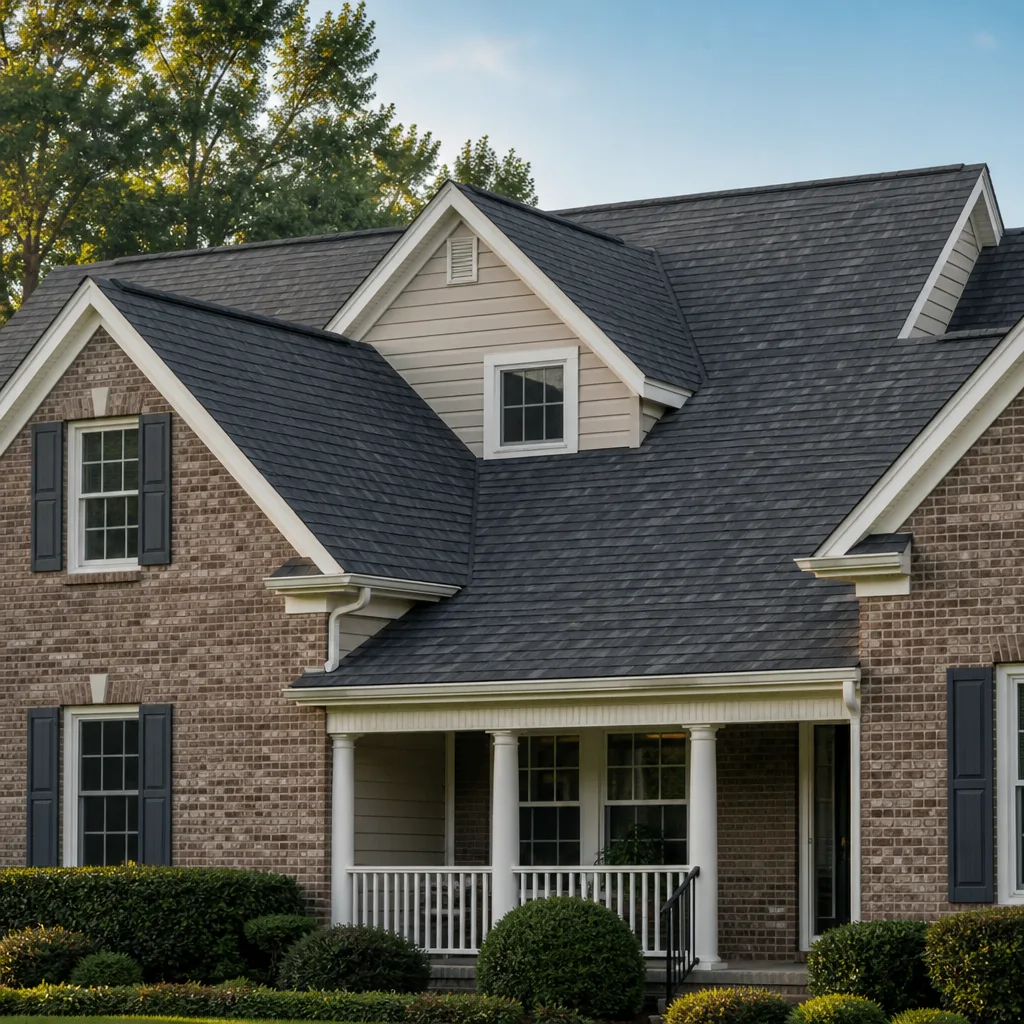 GAF
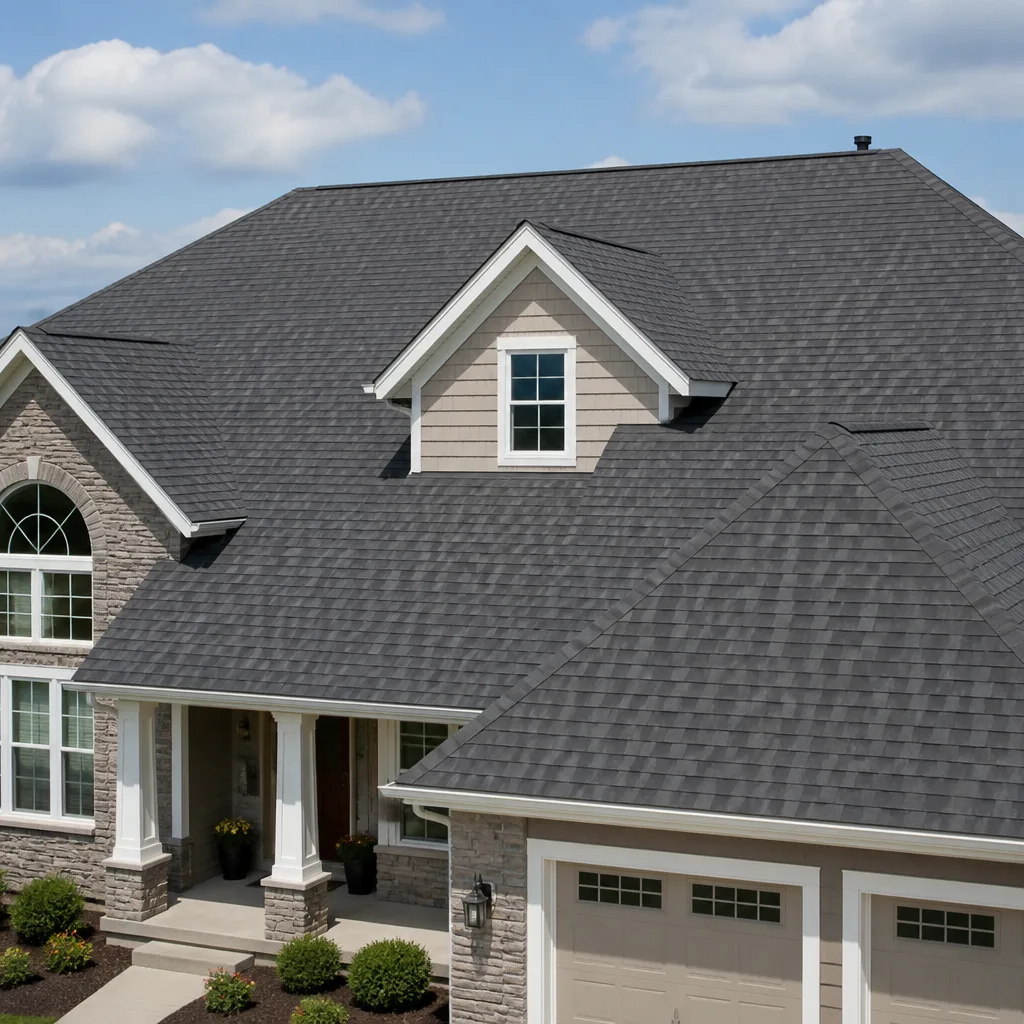 Owens Corning
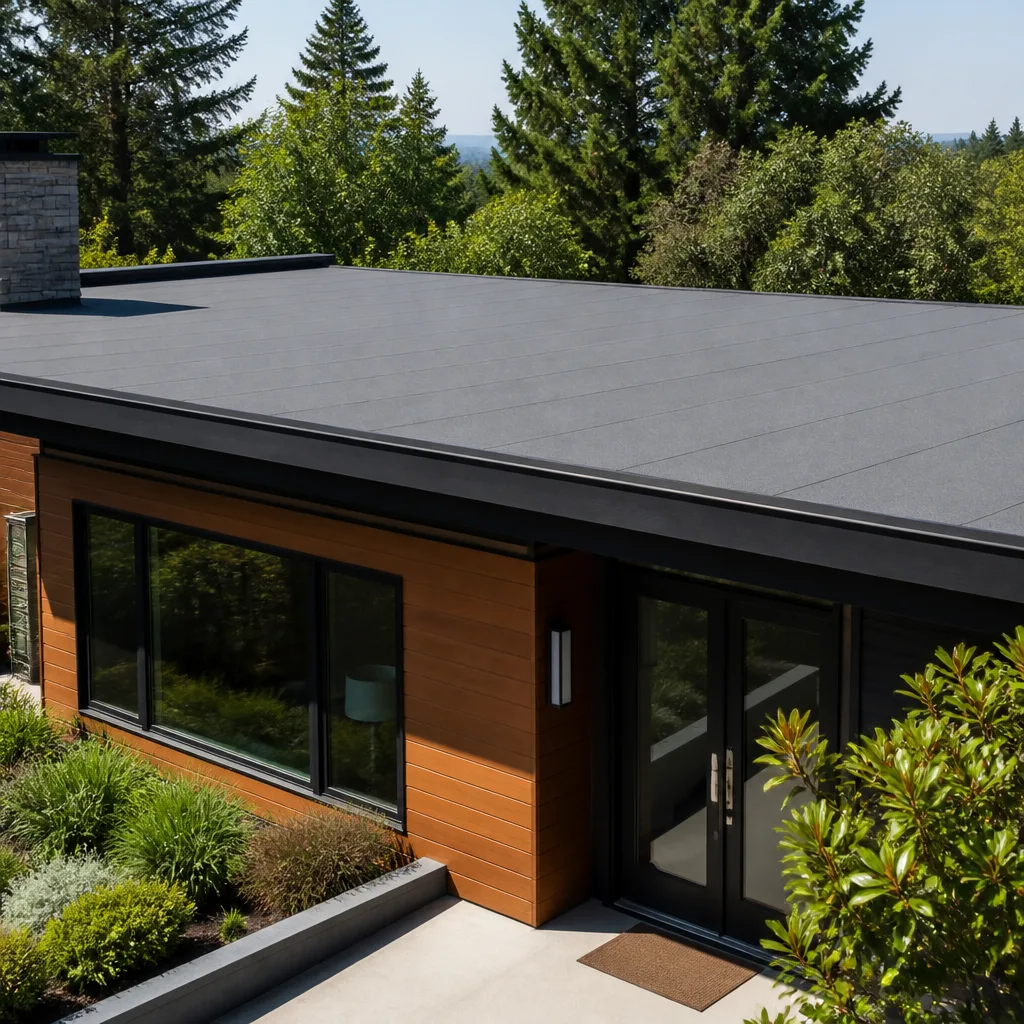 Flat & low-slope
Free roof inspection with deck photos before we talk money - GAF and Owens Corning certified installation
Fast, Reliable Roof Replacement Across Rolling Hills Estates
Roof replacement in Rolling Hills Estates typically runs $14,000 – $38,000 for a standard ranch home, with larger custom estates and multi-structure parcels on Palos Verdes Drive East or Crest Road reaching $60,000+. Most full replacements take 5 – 10 working days once materials land on site. If you’re weighing repair against replacement on a hillside or canyon-edge lot, call (866) 217-3967 and we’ll walk the roof with you before you commit to anything.
Rolling Hills Estates is not a tract-home town. The lots are wide, the terrain rolls hard, and the equestrian zoning means a “roof job” often includes a barn, a shop, or a detached garage on the same parcel. We’ve worked enough roofs between Crenshaw Boulevard and the canyon edges off Palos Verdes Drive North to know that what looks like a simple re-roof from the street is rarely simple once you’re on the ridge and looking down at three roof planes, two valleys, and a horse stall wing that hasn’t been touched since Reagan was in office. That’s the work we’re set up for.
Key takeaways:
- Full roof replacement in Rolling Hills Estates runs $14,000 – $38,000 on typical homes; estate parcels with barns and outbuildings run higher.
- Most Rolling Hills Estates properties fall under LA County permit jurisdiction, not a single city counter, which changes scope and timeline.
- Marine-layer moisture and salt air rot fascia and flashing long before shingle granules fail, which is why we inspect eaves before quoting.
- We quote by the square, line-item the scope, and price detached structures separately so you can compare bids honestly.
Why Moreno Valley Roof Repair Is Rolling Hills Estates’s Preferred Roof Replacement Company
We’re not the biggest name on the Peninsula, and we don’t try to be. What we do well is handle the roofs that don’t fit a standard bid sheet: multi-pitch remodels, canyon-edge tear-offs with real wind exposure, and parcels where the barn needs the same level of care as the house. Homeowners in the 90505 ZIP have pulled us in after other contractors refused the detached outbuilding or priced it as an afterthought. We scope every structure on the parcel on the first visit.
Ruben Ibarra runs our crews, and the work we’ve done in Rolling Hills Estates has been referral-driven for years. That matters on a hill community where neighbors talk over fence lines and horse trails. We don’t chase volume. We chase a clean inspection, a tight dry-in before the marine layer sits overnight, and a final roof that still looks right five years later. Our standing with manufacturers matters too: we’re authorized to supply and install GAF, CertainTeed, Owens Corning, IKO, Atlas, Tamko, and Boral, which means the material conversation is an honest one, not a single-brand pitch.
Response time to Rolling Hills Estates runs same-week for estimates and 2 – 3 weeks to materials drop once you sign a contract. That’s realistic for a town where every roof deck, valley, and flashing detail gets looked at hard before we ever pull a permit.
Styles & brands we work with
New Roof Installation in Rolling Hills Estates
New roof installation in Rolling Hills Estates almost always means a full tear-off plus a dry-in on a home or outbuilding that’s been waiting too long. For the 1960s through 1980s ranches and custom estates that dominate the housing stock, that means removing multiple layers of old material, checking the decking for fog-rot at the eaves, and rebuilding the roof system from sheathing up. A typical new roof installation on a 2,800-square-foot Rolling Hills Estates home runs $18,000 – $32,000, depending on pitch, decking condition, and material grade. On parcels with a barn or detached shop, expect each additional structure to land between $6,000 and $18,000 depending on size and roof complexity.
Decking and dry-in on older ranches
On the mid-century and 1980s builds we see off Silver Spur and Highridge Road, the decking is usually sound but the eaves are a different story. Years of fog sitting against the fascia rots the lower deck courses, and if we don’t catch it before laying felt, we’re trapping moisture in a sealed system. We pull the lower courses on any deck that shows staining or softness and price the replacement plywood per sheet, at cost, before the first nail goes in.
Outbuildings and detached structures
A lot of Rolling Hills Estates parcels carry a barn, a shop, or a detached ADU that’s roofed in something entirely different from the main house: corrugated metal, old wood shake, or a low-slope built-up roof that’s been patched for twenty years. These each get their own permit line and their own replacement scope, and we quote them as separate structures on the same contract so you’re not being charged blended square-foot pricing that hides what’s actually happening.
Reroofing in Rolling Hills Estates
Reroofing in Rolling Hills Estates usually means going over a single layer of existing composition shingles with a new architectural shingle system, rather than a full tear-off. The decision to reroof instead of tear off hinges on what’s underneath: if the decking is dry at the eaves and the existing layer is flat and well-fastened, reroofing saves $3,500 – $7,000 on a typical 2,400-square-foot home and cuts a full day or more off the timeline. For Rolling Hills Estates specifically, reroofing is often the wrong call on the windward side of a canyon ridge where the original nailing pattern was marginal. We’ll tell you that straight, because a reroof that lifts in a Santa Ana isn’t a savings – it’s a new roof plus a repair.
When reroofing makes sense here
A reroof works on the deep-eaved, low-slope ranches that sit in the flats between Crenshaw Boulevard and Rolling Hills Road, where the original roof was installed to a decent spec and the marine layer hasn’t eaten the edges. We check the sheathing from the attic side, confirm nail adhesion, and then lay the new architectural shingle over the old with proper fastening at every course. When it’s right, it’s a clean, fast job with a real cost break.
When it doesn’t
On canyon-edge and hillside lots off Palos Verdes Drive East, the wind and salt exposure chew fasteners and ridge caps hard. If we see any sign of lifted shingle tabs, popped nails, or soft fascia on those parcels, we won’t reroof over it. That roof gets a full tear-off, new fastening per the manufacturer’s wind rating for the Pensinsula’s exposure, and a ridge detail built to stay put through the late-season Santa Anas.
Trusted Brands We Service in Rolling Hills Estates
We carry material lines from Roof Replacement manufacturers that hold up in coastal and hillside conditions. That means GAF Timberline and CertainTeed Landmark for owners who want the premium architectural look with real wind ratings, plus Atlas and Tamko lines when the budget is tighter and the home doesn’t need a 130-mph wind spec. We stock these through the same distribution network that serves the South Bay and Palos Verdes Peninsula, so lead times on project materials for Rolling Hills Estates stay tight once permits clear. If you’re comparing GAF against Owens Corning Duration or unsure whether Boral’s tile profile fits your home’s pitch, we’ll give you the straight trade-off, including which lines actually stand up to fog and salt and which ones are overkill for a protected canyon lot.
See the difference
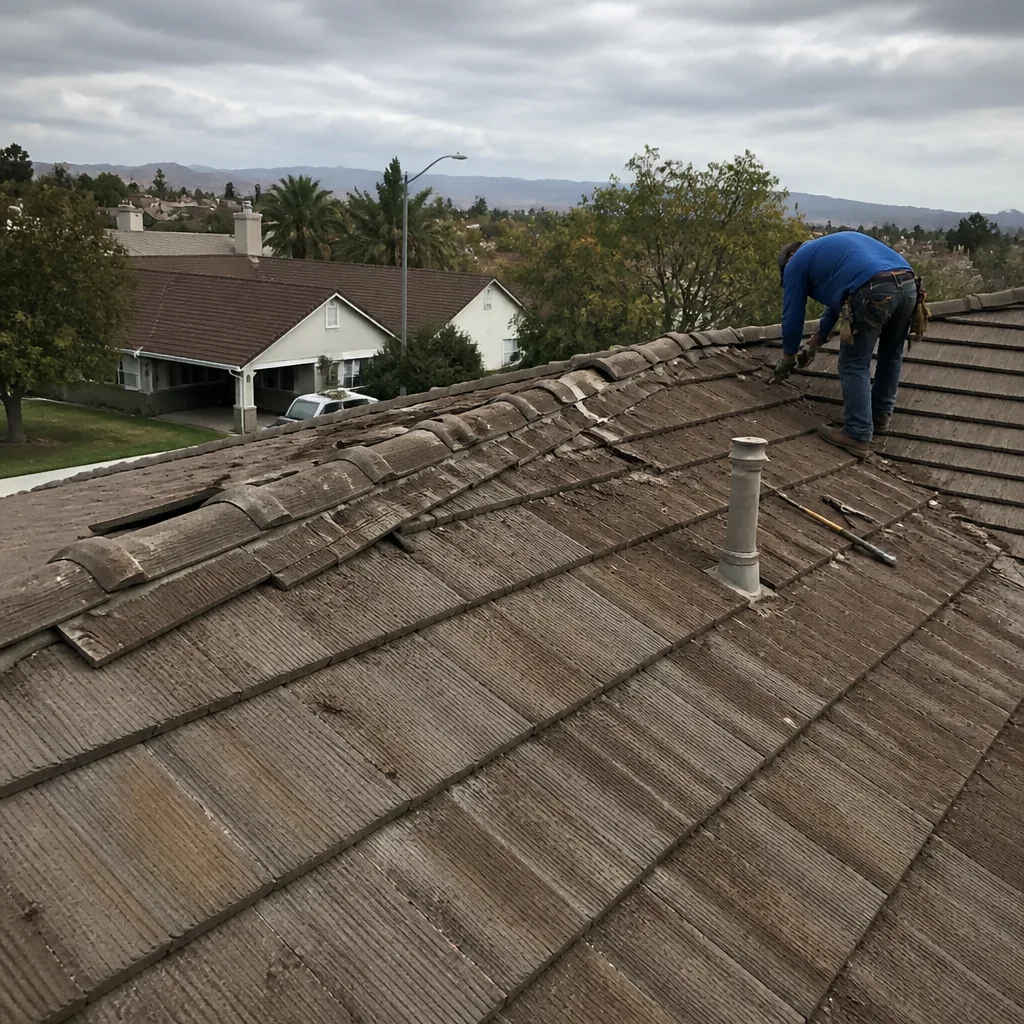 Before
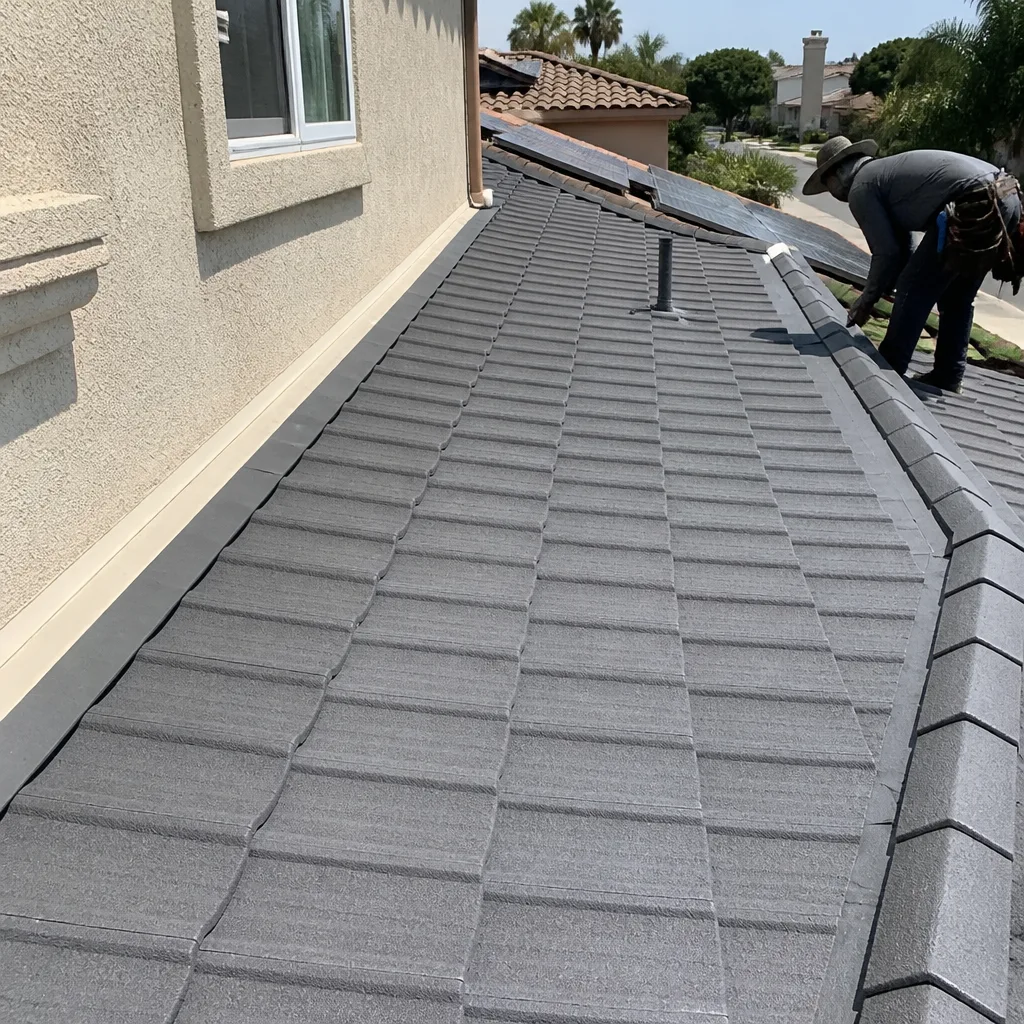 After
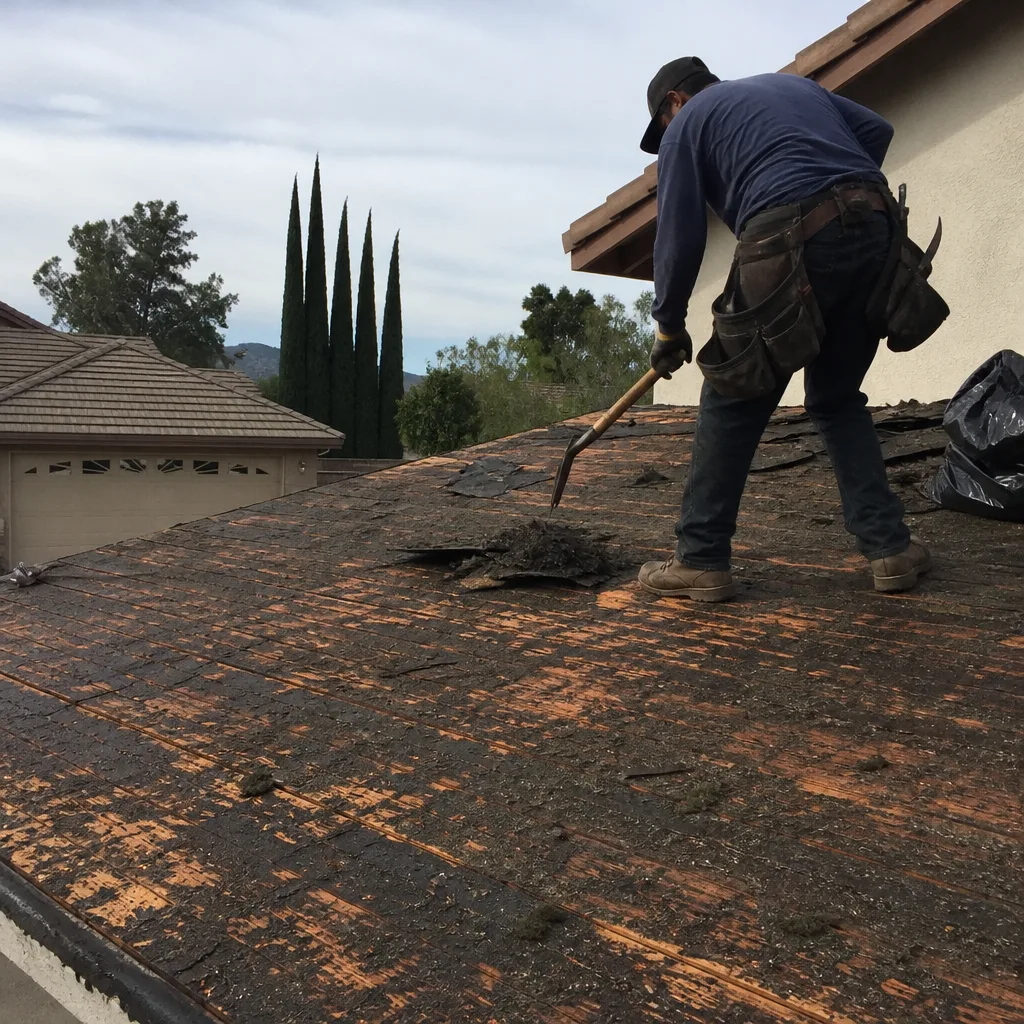 Before
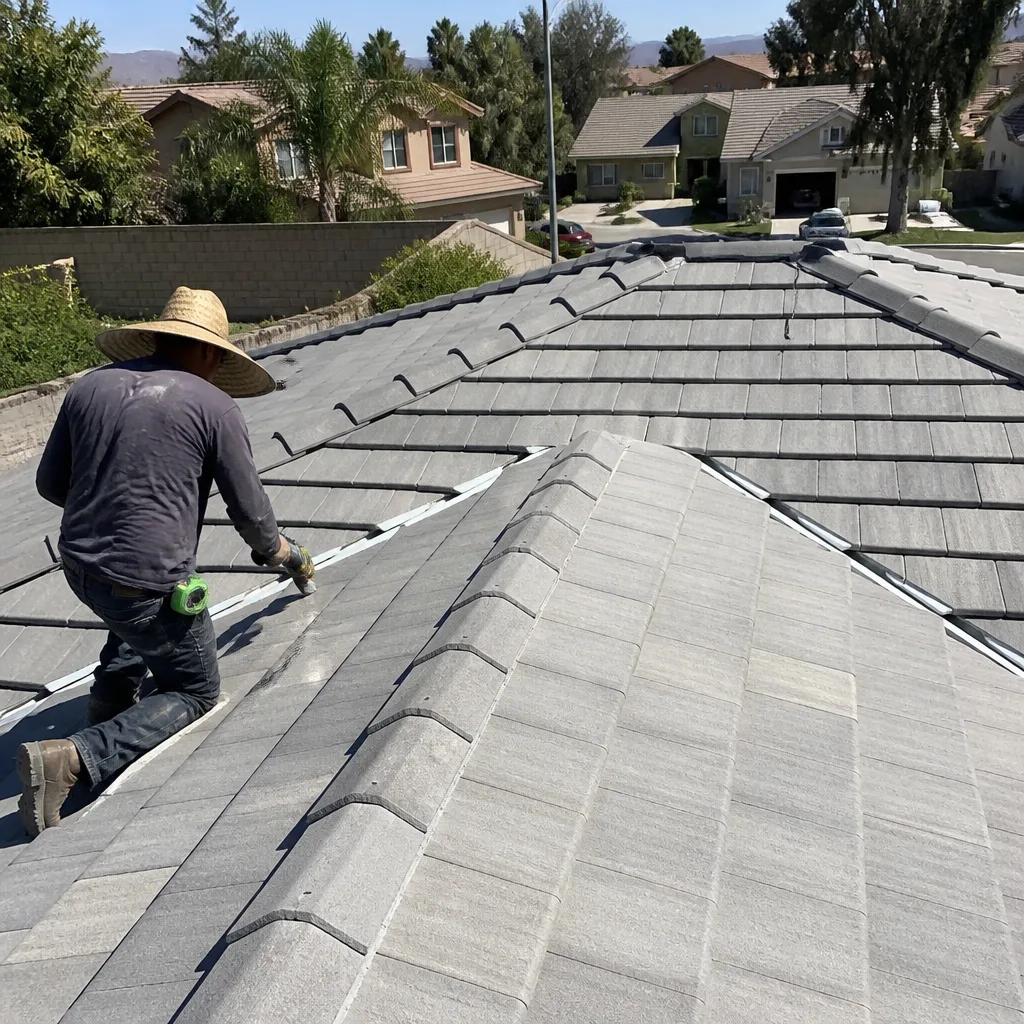 After
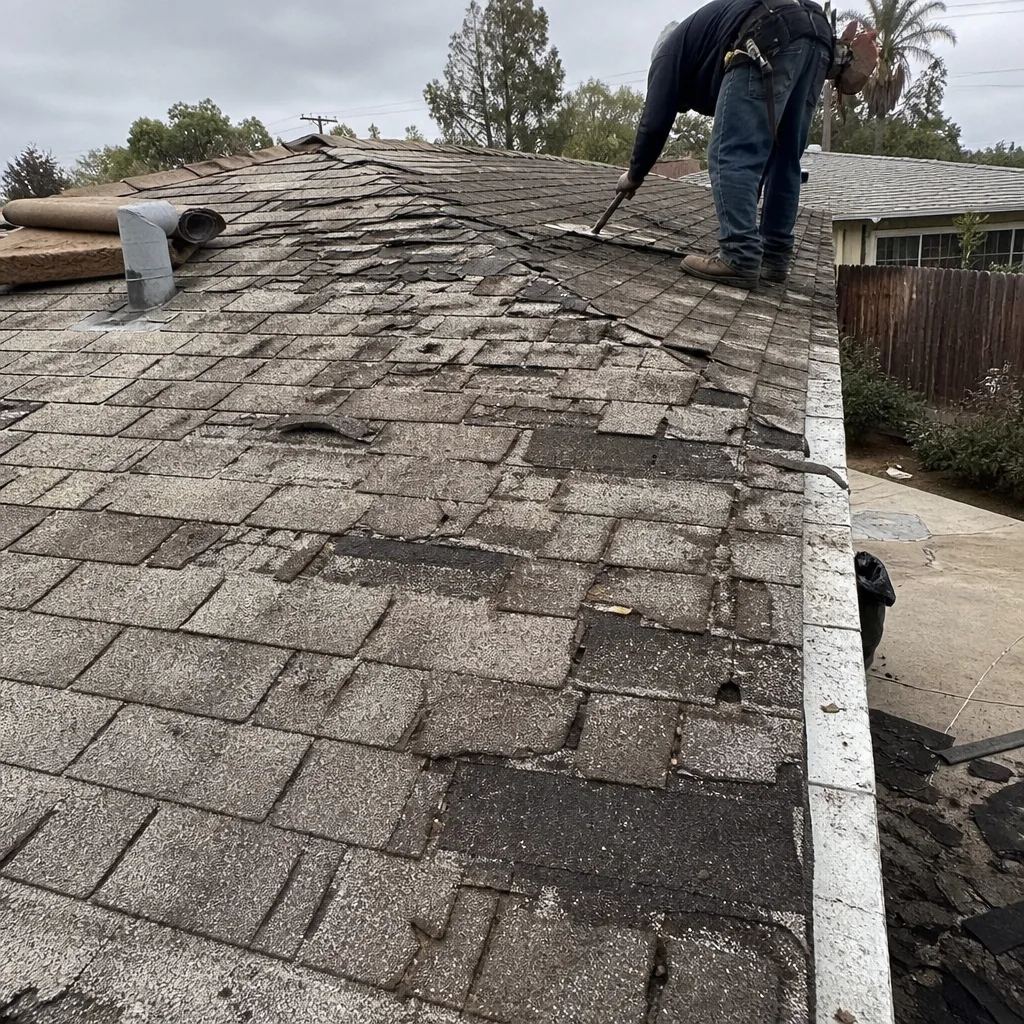 Before
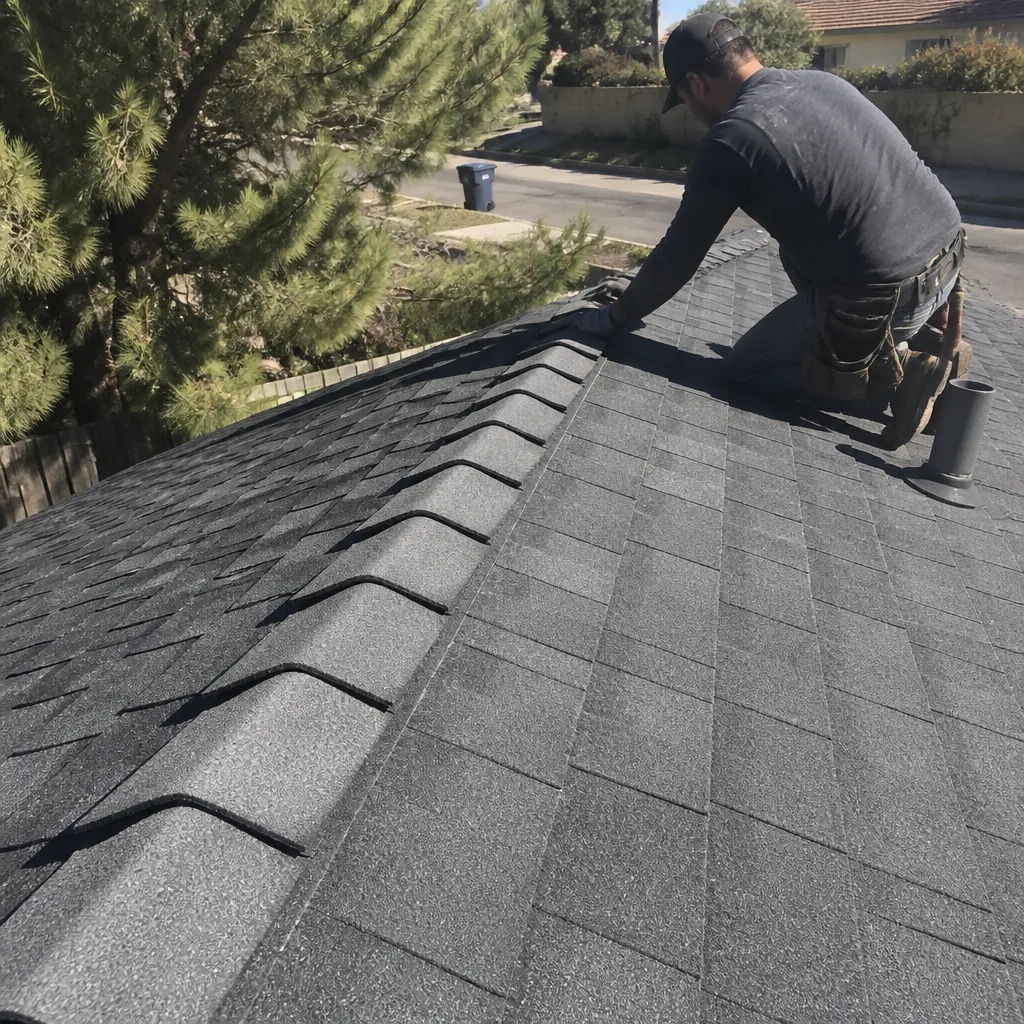 After
Common Roof Replacement Problems We See in Rolling Hills Estates Homes
- Eave-side rot under sound shingles. The marine layer off the Pacific pushes moisture straight into exposed fascia and drip edge on the windward eaves, and because the field shingles still look fine from the street, the rot goes unnoticed until water is running into the outer rooms. We check every eave from below and above before quoting.
- Clogged valleys from pine and eucalyptus canopy. Mature pines and eucalyptus are everywhere in the deeper canyon lots, and their debris collects in the valleys of multi-pitch roofs, backing water up under the underlayment and into the roof deck. A valley that isn’t cleared and rebuilt properly will fail no matter what shingle goes on top.
- Santa Ana uplift on ridge caps and rake edges. Hillside and canyon-ridge homes take the fall Santa Ana winds head-on, and any ridge cap or rake fastening that wasn’t nailed to spec gets peeled up. We see it most on older roofs that were installed as a quick sale job, never meant for the actual exposure of the lot.
- Detached structures ignored by prior owners. Barns, shops, and detached garages go decades without re-roofing because replacing a horse barn roof is a low priority until water is pouring into a tack room. We flag every outbuilding on the parcel and quote it as its own structure so you’re not discovering a surprise during the main roof job.
Pricing for Roof Replacement in Rolling Hills Estates, CA
On a typical single-story Rolling Hills Estates ranch, a full architectural shingle replacement runs $14,000 – $26,000 for roof sizes between 2,000 and 3,200 square feet. Larger custom estates on the deeper canyon lots run $30,000 – $45,000. Add $6,000 – $18,000 per detached structure. What moves these numbers is decking repair at the eaves, valley rebuilds, and whether the house is a one-story ranch or a two-story custom with steep multi-pitch roof planes that slow the crew down. We quote by the square, line-item the decking allowance and waste factor, and hand you a number that won’t shift mid-job. Call (866) 217-3967 and we’ll set a time to walk the place and price it honestly.
We Also Serve Cities Near Rolling Hills Estates
Our crews work in Rolling Hills Estates and across the surrounding South Bay. We handle Roof Replacement in Rolling Hills Estates and serve Manhattan Beach, Torrance, Lomita, and Palos Verdes Estates with the same county-aware permitting process and acreage scoping. Most permits, haul routes, and material logistics overlap across these cities, so if you’re anywhere along the Palos Verdes Peninsula or the neighboring coastal strip, the same crew and the same quoting system apply.
Serving Rolling Hills Estates, CA — Our Local Coverage Area
We’re based in the Rolling Hills Estates area and know this community well. Use the map below to see our service coverage — if you’re nearby, we can almost certainly help.
FAQs About Roof Replacement in Rolling Hills Estates
Yes. Rolling Hills Estates sits largely in unincorporated LA County or semi-rural canyon zones, which means each detached structure on the parcel – barn, shop, ADU, detached garage – gets its own permit line and its own inspection sequence. We pull all required permits for every structure in the scope before any material is ordered, and we build the permit cost into each line item so you’re not surprised by a separate bill halfway through the job. If you only want the main house done now and the barn later, we can scope and quote it that way too. Call (866) 217-3967 for a full parcel assessment.
Marine-layer moisture and salt air corrode fasteners, flashing, and metal drip edge years before heat would degrade a shingle, so a roof in Rolling Hills Estates can look fine from the field while the eave system is quietly failing. We see it constantly on the older ranches: sound architectural shingles, rotted fascia and rusted fasteners along the lower three feet of the roof. That’s why we inspect the eaves and flashing before quoting any repair or replacement, and why a roof that might be a reroof in a dry inland city becomes a full tear-off and rebuild here. Call (866) 217-3967 to have us check the eave line on your roof.
On the bigger lots off Palos Verdes Drive East and the canyon roads, the material staging and equipment access plan goes into the quote itself. We rarely bring a full-size dump trailer up a narrow hillside drive; we stage materials on the nearest flat ground and shuttle them with a smaller loader or by hand where the grade is steep. Material haul, tear-off debris removal, and access logistics are line items per structure, not hidden in a blended square-foot price. If your lot has a long gravel drive or tight turnaround, tell us before we scope it so the number is real.
Yes. We quote by the square for every roof plane, every detached structure, and every grade line in Rolling Hills Estates. You’ll see the tear-off square-footage, the dry-in square-footage, the shingle count and waste factor, and the decking allowance broken out, so when another contractor hands you a single lump number, you’ll know exactly where the difference is. That’s the only way to compare bids on a town where every hillside parcel is different. Call (866) 217-3967 for a written line-item quote.
On an open acreage lot, the roof’s drainage ties directly into the slope: a downspout that dumps at the foundation line on a hillside can undermine the lower wall and send water back under the house during the rainy months. We check the lot’s grade and existing drainage before we quote, because sometimes a roof replacement should include rerouting downspout discharge, adding catch basins at the lower roofline, or extending the eave overhang on the downhill side. It’s not a separate landscaping job – it’s part of keeping the new roof from undermining the home on the next big rain. Call (866) 217-3967 for a quote that includes grading and drainage scoping.
Written by Ruben Ibarra, Owner at Moreno Valley Roof Repair, serving Rolling Hills Estates and the Palos Verdes Peninsula.